
Reviewed · CITY TOURS
Buenos Aires Private Custom City Tour
Buenos Aires is a city best understood in layers, and this private tour lets you connect those layers in one long day. You can move from the presidential Casa Rosada and the grand avenues to the immigrant quarter of La Boca, then on to Evita’s tomb in Recoleta. I especially like the private vehicle and the chance to shape the day around your interests. I also like the local bilingual guide, since the tour promises more than quick photo stops and can explain Argentina’s social, cultural, and economic life as you go.
The main trade-off is pace. Seven to eight hours covers a lot of ground, but it can feel quick if you want long visits at every stop. La Recoleta Cemetery costs extra, lunch is not included, and your best day will come from choosing a few priorities rather than trying to linger everywhere.
Key points to know before you book
- A full city sweep in one day: See Plaza de Mayo, San Telmo, La Boca, Puerto Madero, Recoleta, the Obelisk, Teatro Colón, and more without arranging separate transport.
- Your guide can shape the day: You may request areas that interest you, while the guide can suggest a sensible route and extra places to visit later.
- The human story matters: The tour covers Argentina’s political past, immigration, social change, architecture, and daily life, not just landmark photographs.
- Three guide names appear in the experience history: Pablo, Gabi Masson, and Patrick are specifically associated with warm, informed service.
- Airport pickup is included: Ezeiza International Airport pickup and drop-off are available, useful if you have a long arrival day or a short stay.
- Bring walking shoes and lunch money: Walking is limited rather than strenuous, but you will get out at several stops, and food is your responsibility.
Why a private Buenos Aires day can be worth the price
The cost is $320 per person. That is a serious price for a city tour, particularly if you are traveling alone or as a couple. The value depends on how much you want to see in one day and how useful a private guide will be for you.
You are paying for a private group, hotel pickup and drop-off, a personal guide, parking and tolls when needed, and cold soft drinks. You are not paying for lunch, restaurant drinks, or entry to Recoleta Cemetery. The vehicle saves time between far-flung districts, while private touring means you do not have to wait for a large group at every corner.
I see the strongest value for first-time visitors with limited time, families who need a flexible day, and people arriving at Ezeiza who want to use their transfer time for sightseeing. If you have four or five days in Buenos Aires, you could also use this as an introduction, then return to the neighborhoods you like best at a slower pace.
The tour is also useful if you want context. Buenos Aires landmarks can look impressive without making much sense. A local guide can connect the Casa Rosada to politics, La Boca to immigration, and Recoleta to the old social elite. Those links give the city shape.
Other ways to see the city in a day:
- Buenos Aires: City Highlights Guided Tour with Transfer
★ 4.7 · 1,946 reviews - Best of Buenos Aires: Guided Sightseeing City Tour
★ 4.0 · 402 reviews - Buenos Aires Private City Tour with Local Guide
★ 5.0 · 308 reviews
Plaza de Mayo and the political heart of Argentina
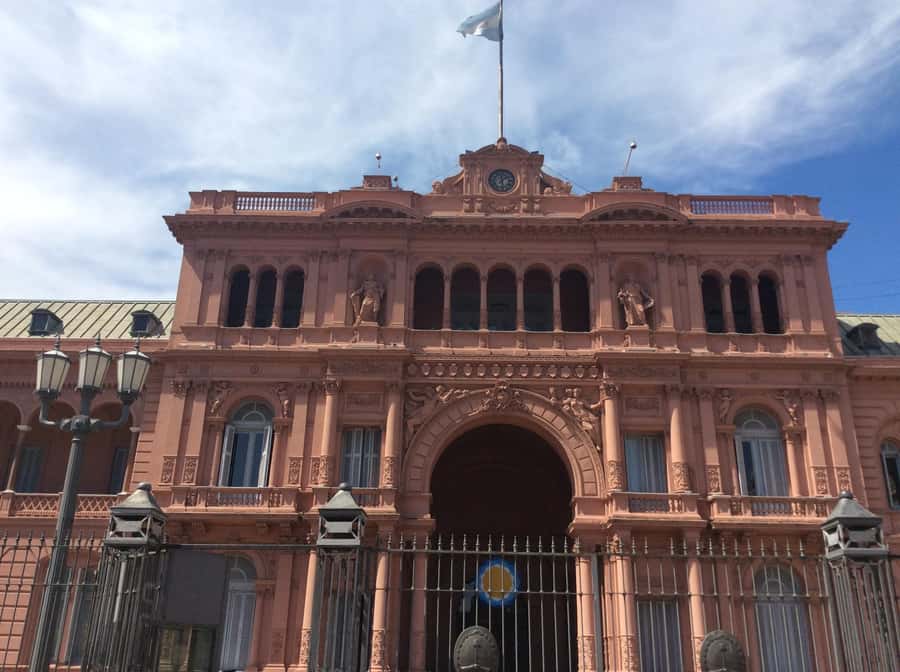
Your day begins in Plaza de Mayo, the broad civic square at the center of Buenos Aires. The Casa Rosada faces the plaza, with its distinctive pink exterior and role as the executive office of Argentina’s president.
Allow about 45 minutes here for guided sightseeing. This is one of the most worthwhile stops because it gives you a basic framework for the country. You can ask about Argentina’s political development, social movements, and the events that made this square such an important public stage.
The Metropolitan Cathedral overlooks the plaza. It is the main Catholic church in the city and an important stop even if you are not especially interested in religious buildings. The setting makes clear how government, faith, and public life meet in the old center.
This is a good place to ask your guide how Argentina’s past affects the city today. The experience specifically aims to explain social, cultural, and economic issues, so use the private format. A question that might be rushed on a group tour can become a useful conversation here.
Avenida de Mayo, Palacio Barolo, and the National Congress
From Plaza de Mayo, the route follows Avenida de Mayo, one of the city’s grand central avenues. You have about 15 minutes for sightseeing, followed by photo stops at Palacio Barolo and the Palace of the Argentine National Congress.
Palacio Barolo receives about 10 minutes. The stop is mainly for photographs, not a long interior visit, so set your expectations accordingly. The building gives you a quick look at Buenos Aires architecture and the grand scale of the central city.
The National Congress gets another 10-minute photo stop. Together, these buildings make a useful pair with the Casa Rosada. You see the executive and legislative sides of national government, along with the formal civic design that gives the central avenues their character.
The short timing is both helpful and limiting. You get a broad introduction without spending half a day on one district, but anyone passionate about architecture may want to return later for a slower look.
La Boca and Caminito, where immigration shaped the city
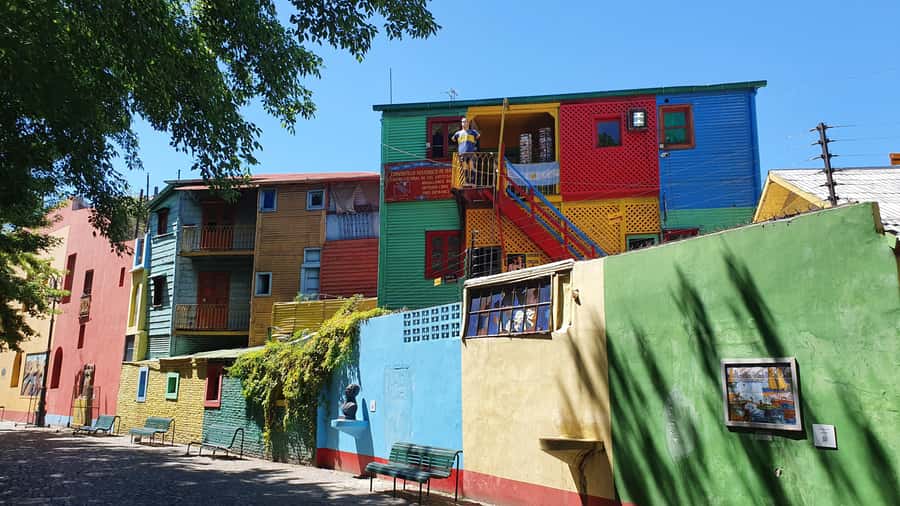
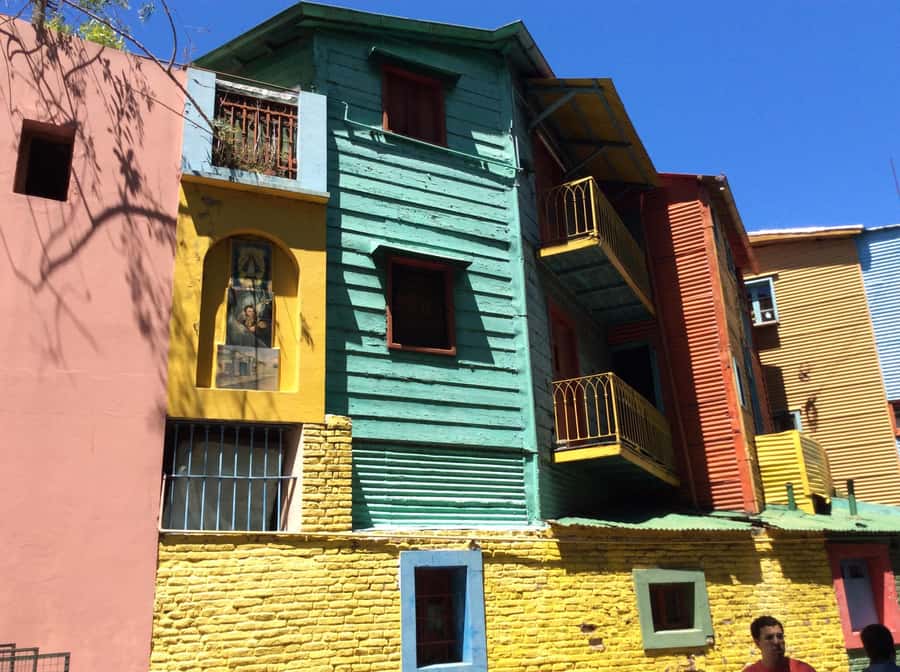
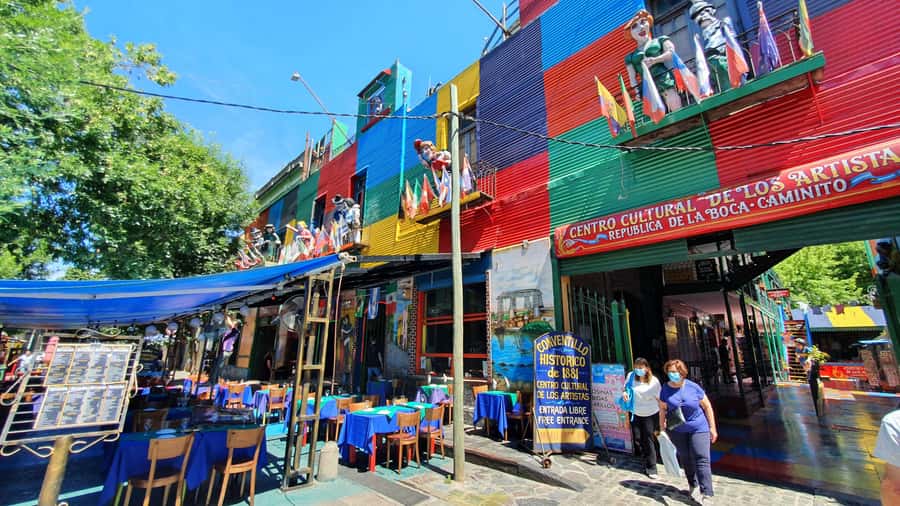
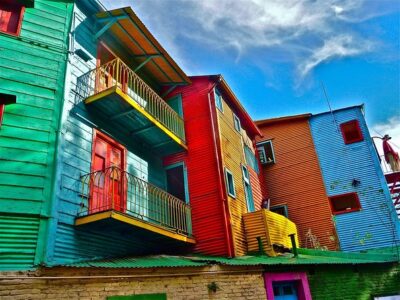
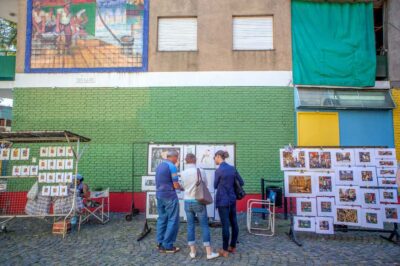
La Boca is one of the most recognizable parts of Buenos Aires. The area is associated with Italian immigration and with colorful buildings around Caminito, where you have about an hour of guided sightseeing.
This is a lively visual stop, but it is worth looking past the paint. Your guide can explain how immigrant communities helped shape Buenos Aires and why this port district developed its particular identity. The area gives you a different story from the formal center and the wealthy northern neighborhoods.
Caminito also works well for photographs. Bright façades, narrow pedestrian areas, and public art give you plenty to see in a short walk. The nearby museum is part of the area’s appeal, though the supplied details do not specify a separate admission arrangement, so ask your guide what is included before planning your visit around an indoor stop.
You should also keep your pace practical. La Boca is an area where you may want time to look around rather than simply step out, take a photograph, and leave. If this is one of your main interests, tell the guide early. Since the tour is private, you can ask to give La Boca more attention and shorten a stop that matters less to you.
The private format is especially useful here because you can discuss what you are seeing instead of treating the district as a quick postcard stop. The cultural background is a stronger reason to visit than the bright colors alone.
More ways to see Buenos Aires in a day:
- Classic City Tour of Buenos Aires: Neighborhoods and Emblems
★ 3.8 · 282 reviews - Buenos Aires Private City Tour with a local guide
★ 4.7 · 92 reviews - Buenos Aires Premium City Tour
★ 4.0 · 87 reviews - Buenos Aires Premium City Tour
★ 4.0 · 85 reviews
San Telmo and the older city
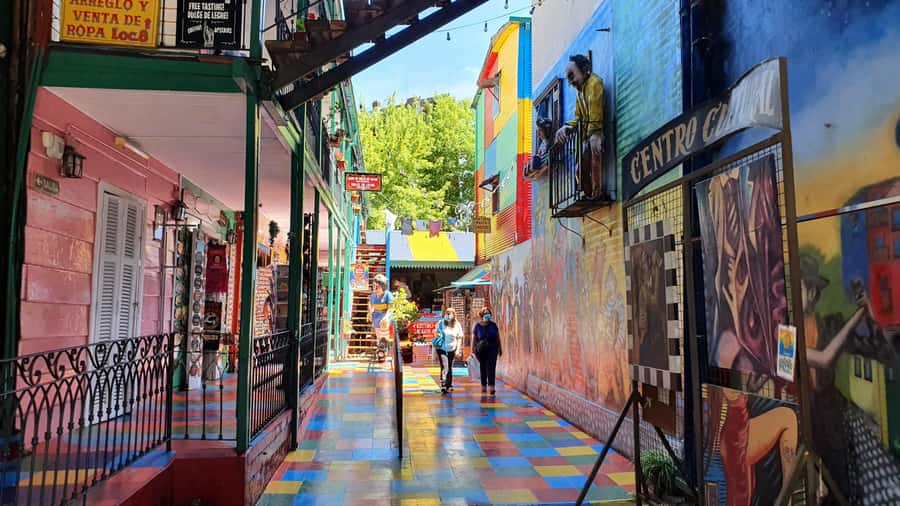
San Telmo receives about 45 minutes of guided sightseeing. It is one of Buenos Aires’ oldest and best-preserved neighborhoods, making it a natural contrast with the polished avenues and modern port district.
You will have time to walk and take in the older streets, buildings, and neighborhood character. The tour does not promise a market visit or a particular indoor attraction, so do not book this expecting a long shopping session. Think of San Telmo as a compact introduction to the older side of the city.
This is another place where the guide’s explanation matters. Buenos Aires can change character from block to block, and San Telmo helps you see the city as more than a collection of grand monuments. Ask how the neighborhood fits into the city’s past and present, and use your free time to note places you might revisit.
The route includes a 45-minute break in Buenos Aires, which is the natural point to stop for lunch. Food and restaurant drinks are not included, so budget separately. You can ask the guide for a recommendation, and the end-of-day advice may also include places to eat during the rest of your stay.
Puerto Madero and the modern waterfront
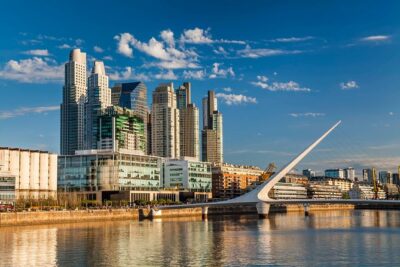
Puerto Madero gets about 20 minutes of sightseeing. This newer waterfront district offers a clear change from San Telmo and La Boca. Its modern character helps you see how Buenos Aires has changed and how older port areas have been given new roles.
The short stop makes sense as part of a city overview. You can see the district, discuss its place in modern Buenos Aires, and continue without giving up too much time in the historic neighborhoods. If modern architecture or the port’s redevelopment interests you, tell your guide that you would like more time here.
This is one of the moments when the private format helps you set priorities. A visitor focused on architecture may prefer to trade some time elsewhere for a closer look. Someone more interested in political history may want to keep moving toward Recoleta and the central landmarks.
Recoleta and the cemetery of Argentina’s famous families
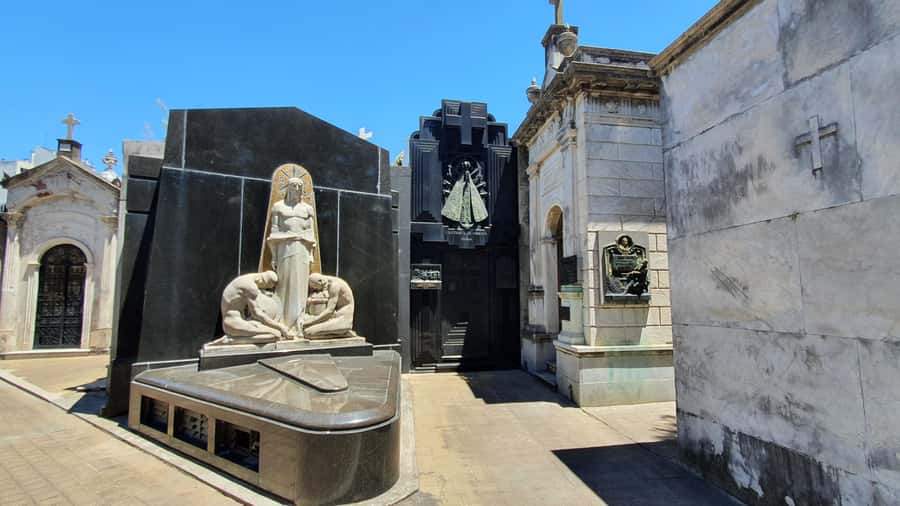
Recoleta receives about an hour of guided sightseeing. The neighborhood is one of the city’s exclusive areas, and the cemetery is its best-known attraction. It contains the graves of famous figures in Argentine history, including Eva Perón, better known as Evita, along with members of wealthy families from earlier centuries.
The cemetery admission fee is not included. That matters because this is one of the tour’s most important cultural stops, yet you will need to pay separately if you want to enter. Confirm the current admission process with your guide on the day.
I would not treat Recoleta as a simple celebrity graveyard. The cemetery can help you understand Argentina’s social structure, public memory, and the divide between influential families and ordinary citizens. Evita’s resting place adds a political and emotional layer that makes the stop especially meaningful.
You have about an hour, including guided sightseeing. That gives you a useful introduction, but not unlimited time for every path and tomb. If Recoleta is high on your list, say so at the start. The guide can help you use the hour well and explain the figures you encounter.
The neighborhood outside the cemetery also deserves attention. The tour’s focus is not limited to the cemetery itself, so you can ask about the area’s role in present-day Buenos Aires. As with La Boca, the guide can help you connect the visual appeal to the wider story.
Floralis Genérica, the Water Palace, and the city’s grand symbols
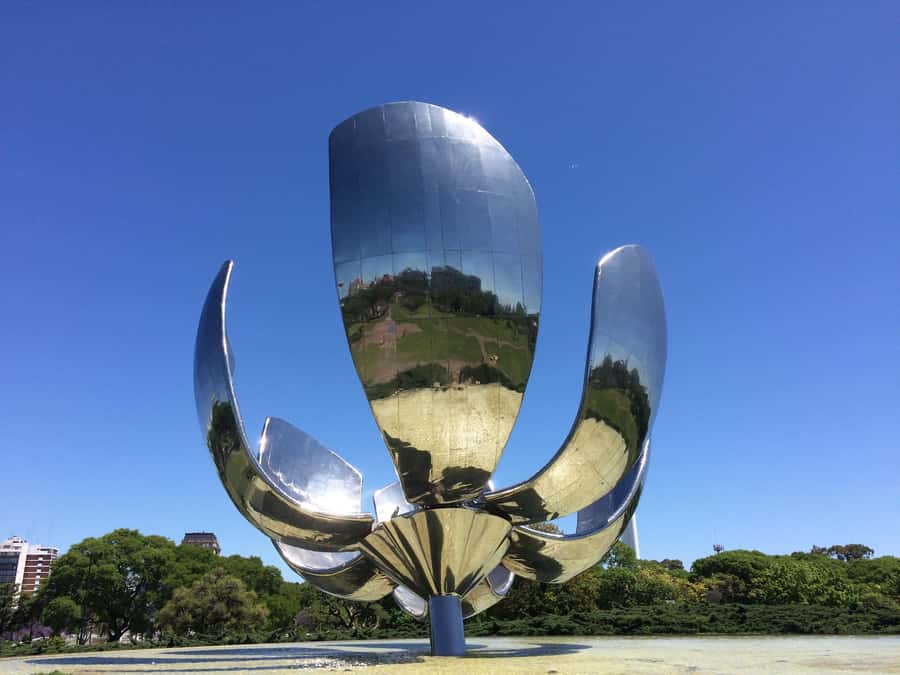
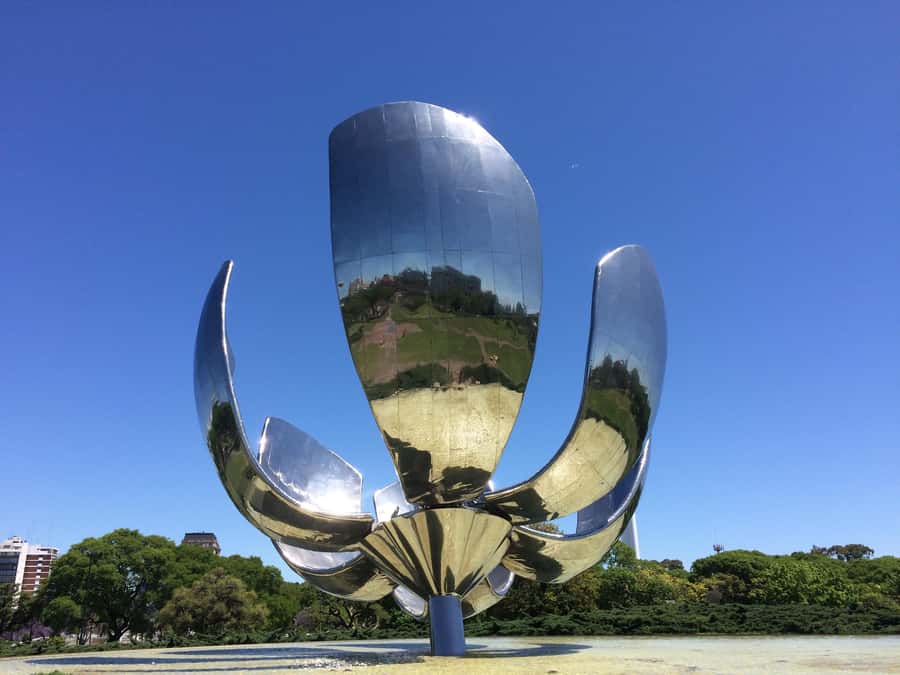
The stop at Floralis Genérica lasts about 10 minutes. This large flower sculpture is a quick photographic pause and a change of mood after the older cemetery. The timing is brief, but it fits a day designed to show many sides of the city.
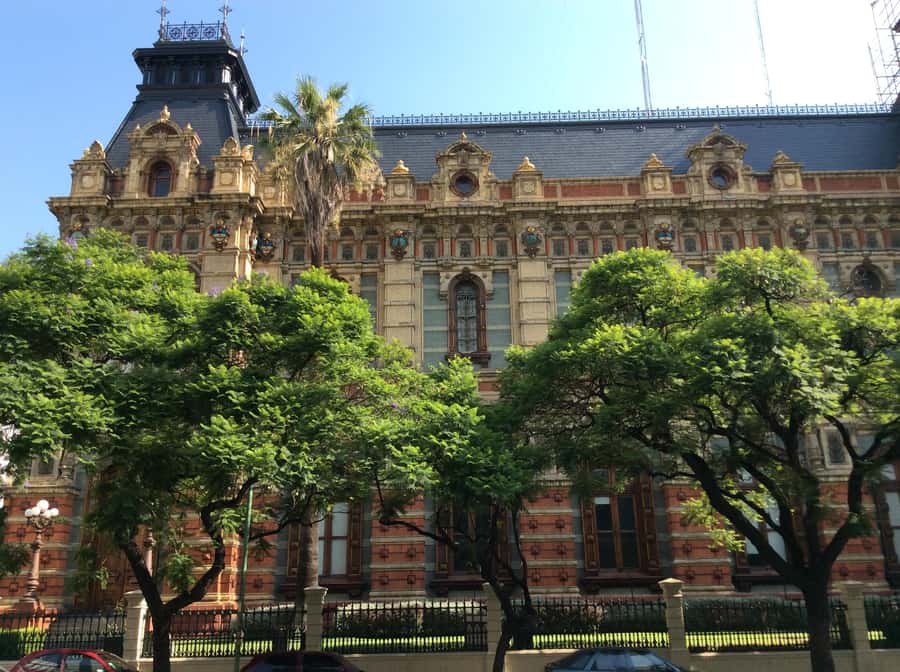
The Museo del Agua y de la Historia Sanitaria, housed in Palacio de Aguas Corrientes, receives about 20 minutes of guided touring. The building gives you a chance to see a less obvious piece of Buenos Aires history. Its connection to water and public sanitation points to the systems that made a growing city function.
This stop is particularly useful if you like unusual architecture and civic history. It is not as famous as the Casa Rosada or Teatro Colón, but it adds substance to the day. Ask your guide what you are looking at and why the building matters. A short explanation can turn an unfamiliar stop into one of the more memorable parts of the route.
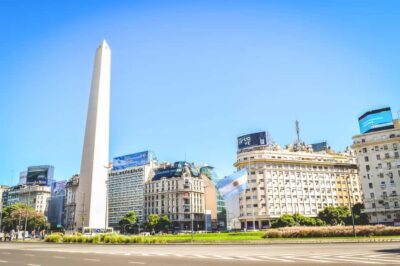
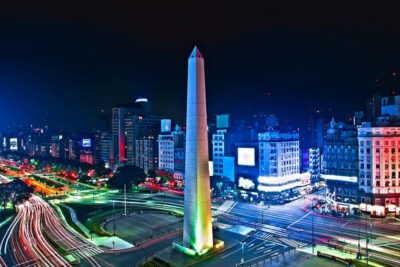
The Obelisk is passed rather than visited, with about 10 minutes of drive-by sightseeing. It is one of the city’s signature symbols, so you will see it without a long stop. Teatro Colón receives about 15 minutes for a photo stop, including the ballet memorial statue outside.
Do not expect a full theater performance or an extended interior visit. The value here is seeing the building in the context of the city’s grand central avenues. If Teatro Colón is a personal priority, ask the guide whether a later visit would make sense during your stay.
What the guide adds to the day
The guide is the key variable in a private tour. The experience is operated by a bilingual guide, with English, French, Italian, Portuguese, and Spanish available among the language options. Confirm your preferred language when booking.
Three guides are specifically associated with this experience: Pablo, Gabi Masson, and Patrick. Pablo is noted for giving a complete city tour and for helping visitors choose an area to revisit more slowly if they have extra days. Gabi Masson is associated with clear and interesting information. Patrick showed particular persistence during a citywide security closure for the G20 summit, finding alternate routes and still providing access to major sights.
Those details point to the practical benefit of a local guide. City conditions can change, and a guide who knows alternate routes may protect your day from traffic or official closures. You should still understand that the tour is not immune to delays. The route covers a large area, and traffic can affect how long you spend at each place.
Use the private setting actively. Tell the guide if you care most about politics, immigration, architecture, food, Evita, or modern Buenos Aires. The tour promises customization, but customization works best when you state your priorities rather than simply accepting every suggested stop.
Timing, walking, and what to bring
The experience lasts seven to eight hours, with pickup and drop-off in Buenos Aires. Pickup from Ezeiza International Airport is included, which makes the tour possible as part of an airport arrival plan if your schedule allows enough time.
There is a small amount of walking. You will still get out at Plaza de Mayo, La Boca, San Telmo, Recoleta, and other stops, so comfortable shoes are sensible. The vehicle handles the long connections, which keeps the day manageable.
Bring money for lunch, café stops, and the Recoleta Cemetery admission. Cold soft drinks are included, but other food and drinks are not. Infant seats are available if requested when you book.
The free cancellation period is up to 24 hours before the tour for a full refund. You can also reserve now and pay later, which helps if your Buenos Aires schedule is still changing.
Who should book this Buenos Aires tour?
I would recommend it most strongly to first-time visitors who want a clear introduction in one day. It suits you if you prefer a private car to public transport, want hotel pickup, or need help understanding how the city’s neighborhoods connect.
It also works well for families and small private groups. You can avoid the stop-and-go rhythm of a large group and adjust the emphasis if children, older family members, or special interests shape the day.
I would be more cautious if you prefer slow travel. Seven or eight hours is enough for a strong overview, not enough for a relaxed exploration of every district. You may feel rushed at La Boca, San Telmo, or Recoleta if you want long walks, museum time, or a leisurely meal.
Should you book it?
Book this tour if you have one main sightseeing day in Buenos Aires and want history, politics, architecture, immigrant culture, and famous landmarks in one organized outing. The combination of a private vehicle, hotel or airport pickup, and a bilingual local guide gives you useful structure without locking you into a large group.
Before booking, decide which two or three stops matter most. Tell your guide to protect that time, and treat the remaining sights as an overview. At $320 per person, the tour is not the cheapest way to see Buenos Aires, but it can be good value when time is short and personal guidance matters.
FAQ
How long does the Buenos Aires private city tour last?
The tour lasts approximately seven to eight hours. Starting times depend on availability.
What places are included during the tour?
The route includes Plaza de Mayo, Avenida de Mayo, Palacio Barolo, the National Congress, Caminito in La Boca, San Telmo, Puerto Madero, Floralis Genérica, Recoleta, Palacio de Aguas Corrientes, the Obelisk, and Teatro Colón.
Is hotel pickup and drop-off included?
Yes. Pickup and drop-off at your hotel in Buenos Aires are included. Pickup and drop-off from Ezeiza International Airport are also included.
Is admission to Recoleta Cemetery included?
No. Admission to Recoleta Cemetery is not included in the tour price.
What languages are available?
The available language options are English, French, Italian, Portuguese, and Spanish. The tour is operated by a bilingual guide.
Is food included?
No. Food and drinks at cafés or restaurants are not included. Cold soft drinks are included, and the tour includes a break when you can stop for lunch.
Just added in Buenos Aires
- Premium Empanadas Cooking Class & Wine Tasting Experience★ 4.9 · 35 reviews
- Buenos Aires: Small-Group Wine Tasting★ 4.8 · 18 reviews
- Buenos Aires: Speakeasy & Mixology Bar Tour with Cocktails★ 5.0 · 5 reviews
- Buenos Aires: Rojo Tango Show with Optional Dinner★ 3.4 · 3 reviews
- Buenos Aires: Santa Susana Ranch Day Tour, BBQ & Shows★ 4.6 · 32 reviews
- Buenos Aires:Small Group Tour AM & Sunset Open Bar Cruise PM★ 4.5 · 15 reviews
- Buenos Aires: Private Photo Tour for Ammateur Photographers★ 4.9 · 5 reviews
- Buenos Aires: Private Recoleta Cemetery Walking Guided Tour★ 4.6 · 13 reviews
City Tours, compared.
Best of Buenos Aires: Guided Sightseeing City Tour
Read our review →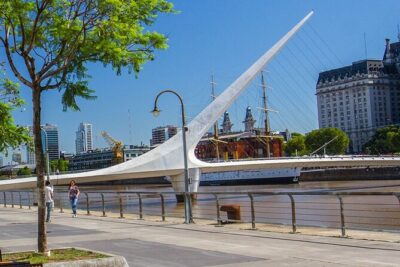
Classic City Tour of Buenos Aires: Neighborhoods and Emblems
Read our review →
Tierra del Fuego National Park, Ushuaia City Tour Shore Excursion
Read our review →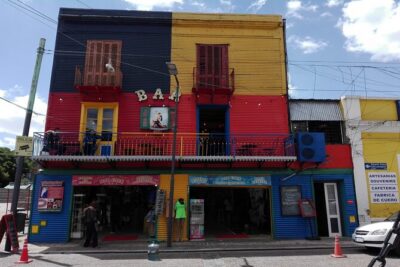
Browse the lists this tour appears in