
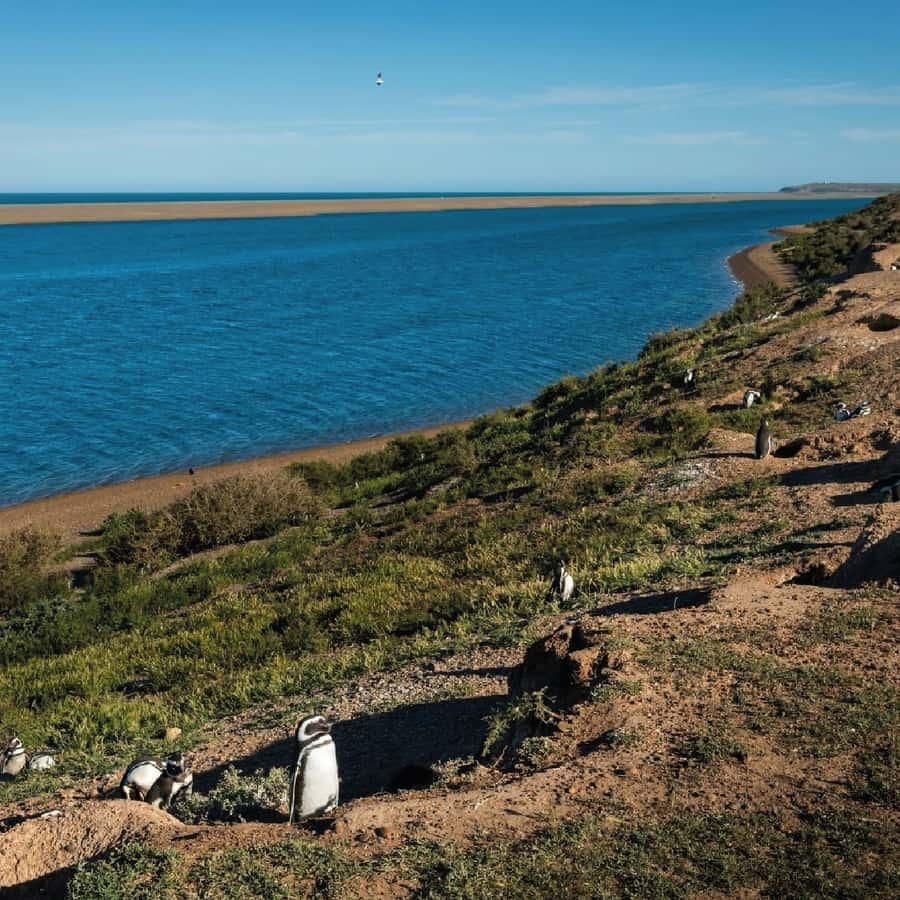
Reviewed · SHORE EXCURSIONS
From Puerto Madryn: Peninsula Valdés Shore Excursion
Peninsula Valdes is one of those rare places where the road itself can be part of the wildlife experience. You may spot guanacos, maras, rheas, foxes, armadillos, or flamingos before reaching the coast, then scan rocky shores for elephant seals, penguins, and sea lions. With the right season, tide, and patience, orcas may appear too.
I like the strong mix of scenery and natural history, especially the view from Istmo Carlos Ameghino across Golfo Nuevo, Golfo San José, and Isla de los Pájaros. I also like having a local guide such as Mariano or David explain the geology and animals along the way. The main drawback is distance: you spend about 90 minutes in the van, and wildlife numbers can be very low at the wrong time of year.
Key points to know before you book
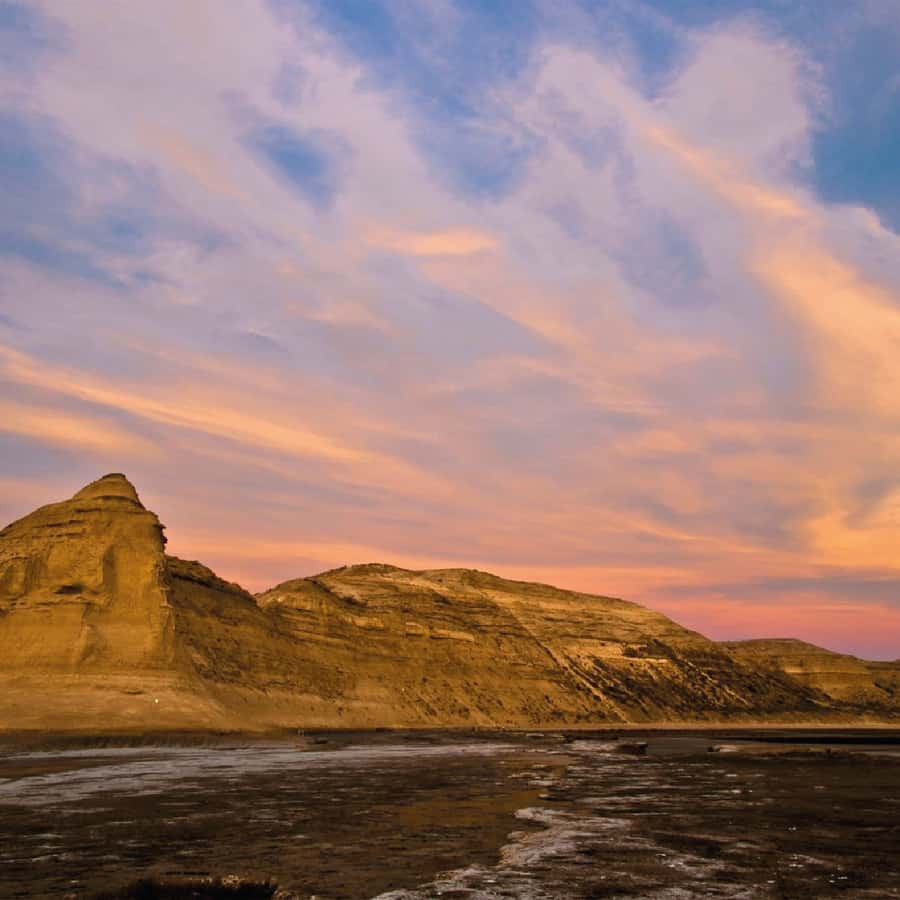
- A full-day wildlife outing from the cruise port: Plan on seven hours, including 45-minute drives each way.
- Wildlife depends heavily on season and tides: Orcas are possible, not promised, while penguins and elephant seals may be away feeding.
- The main coastal stops can change: Caleta Valdes, Punta Cantor, Punta Norte, or Punta Delgada may be used according to conditions.
- The reserve fee is extra: Budget about $30 per person on top of the $112 tour price, plus lunch.
- The guide can make a major difference: Mariano and David have both led especially informative departures, though your guide is assigned on the day.
- Cruise timing needs careful attention: The tour returns to the port in the afternoon, but the long route leaves little room for delays.
Why Peninsula Valdes makes a strong port excursion
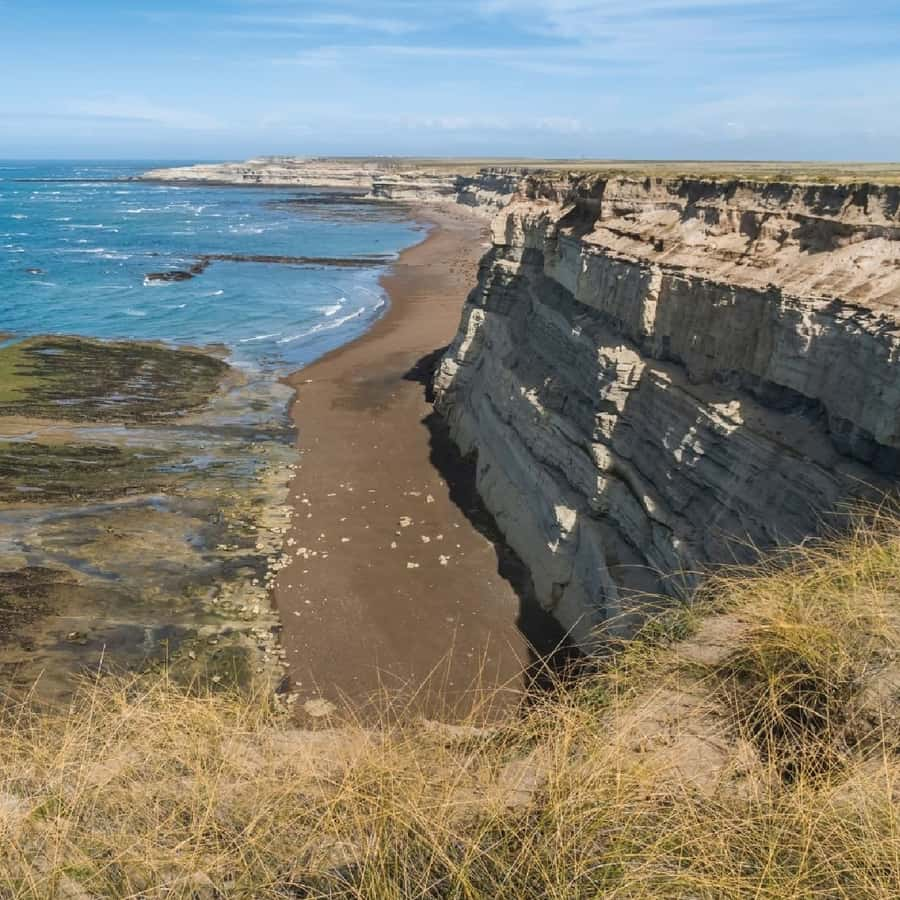
Peninsula Valdes is not a quick photo stop beside Puerto Madryn. It is a large natural area with long roads, exposed coast, salt flats, rocky points, and animal colonies spread across the peninsula.
That scale explains both the appeal and the limits of this outing. You get a broad look at the region in one day, but you cannot control where animals will be or how much time you spend at each site. A penguin colony may look lively during one visit and nearly empty the next because many birds are out at sea.
I like that the experience covers more than marine animals. You are not simply driven to a beach, shown a seal, and returned to the ship. The guide discusses flora, fauna, geology, and major events in the peninsula’s past. The road sections can also produce sightings of guanacos, maras, rheas, foxes, armadillos, and other animals typical of the area.
The setting is especially good for anyone who prefers a wide view and a sense of place. You see the coastal gulfs from above, notice the dry vegetation, and get a feel for how remote the peninsula is. Bring binoculars if you have them. Animals may be below a cliff or well away from the trail.
Other trips built around a port call here:
- Cruise Shore Excursion Peninsula Valdes – Pto Madryn – Patagonia – Argentina
★ 4.0 · 111 reviews - Cruise Shore Excursion Punta Tombo with Boxlunch from Pto Madryn
★ 5.0 · 79 reviews - Shore Excursion Punta Tombo cruise passengers Puerto Madryn
★ 5.0 · 51 reviews
From Puerto Madryn port to Istmo Carlos Ameghino
Meet the operator at the Port of Puerto Madryn by looking for the Yellow Penguin sign. The transfer to Peninsula Valdes takes about 45 minutes in each direction, so the vehicle ride is a real part of the schedule rather than a minor connection.
The first major stop is the Istmo Carlos Ameghino Interpretation Center. This is a useful introduction before the wildlife viewing begins. You can learn how the peninsula formed, what plants survive there, which animals use the coast, and how people have shaped the area over time.
The center also gives you a chance to understand the two bodies of water around the narrow isthmus. From the panoramic viewpoint, you can look toward Golfo Nuevo, Golfo San José, and Isla de los Pájaros. This is one of the best moments for getting your bearings, and it helps you understand why the peninsula has such varied animal habitats.
The stop matters even more when wildlife is sparse. If you arrive during a period when penguins are at sea or elephant seals have moved on, the interpretation center and viewpoint provide useful context instead of leaving the day dependent on one animal sighting.
Coastal stops at Caleta Valdes and Punta Cantor
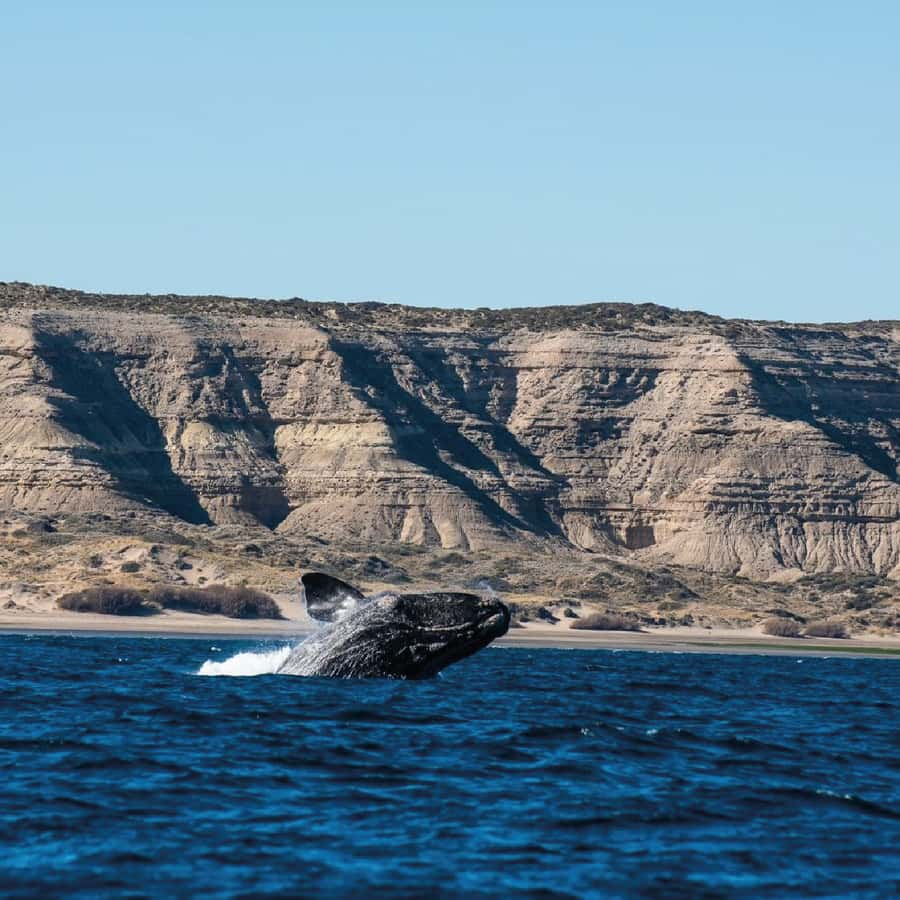
The exact route is shaped by weather, tides, and the time available. Caleta Valdes and Punta Cantor are among the possible points of interest, and they offer a closer look at the coast and its wildlife.
At Caleta Valdes, you may see elephant seals, penguins, or other marine animals from designated viewpoints. Elephant seals are especially tied to the season. During one early March outing, only a small number remained, with most apparently away from the shore. That does not mean the stop is always quiet, but it shows why you should treat animal sightings as a possibility rather than a guarantee.
Punta Cantor may add more coastal views and wildlife observation. You will likely spend time on trails or at viewpoints rather than walking directly among the animals. That is the right approach here. The animals need room, and the best viewing often comes from standing quietly and using binoculars or a camera with a zoom lens.
Lunch is available at your own expense. The supplied details do not promise a particular restaurant or menu, so do not book this excursion expecting a special food experience. Think of lunch as a practical break in a long day of driving and viewing.
Punta Norte and the chance of seeing orcas
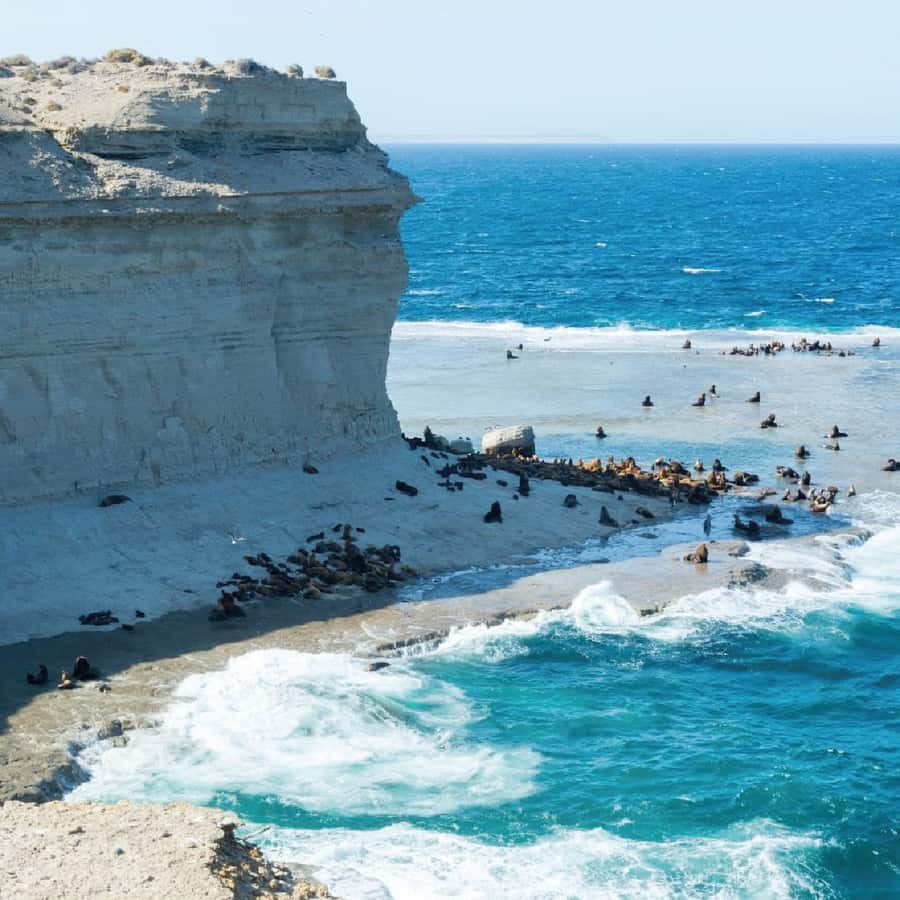
Punta Norte is one of the possible highlights, especially for sea lions and, in the right season, orcas. The tour description presents orcas as a lucky sighting, and that wording is important. No guide can promise a pod, a hunt, or even a distant fin.
If conditions allow, you may see sea lions gathered on rocks below a lookout. This can be a fine wildlife stop even without orcas. The animals may be some distance away, so a pair of binoculars is worth carrying. A camera without a strong zoom may produce small subjects, though the setting itself is still worth photographing.
Orca activity depends on several factors at once, including season, tides, and animal behavior. A clear day does not guarantee a sighting. You should book this tour because you want a chance to experience the peninsula, not because you need one specific animal to make the day worthwhile.
There is also a route choice built into the outing. If Punta Norte cannot be visited, the group may go to Punta Delgada on the southeastern end of the peninsula. This flexibility is useful because it gives the guide another coastal option when conditions or timing make the northern stop impractical.
More wildlife days along the coast from Puerto Madryn:
- Valdes Peninsula: Full Day with Whale Watching
★ 4.5 · 98 reviews - Puerto Madryn: Snorkeling Trip with Sea Lions
★ 4.8 · 81 reviews - Peninsula Valdes Tour with Optional Whale Watching
★ 4.5 · 73 reviews - Full Day Peninsula Valdes Experience – optional Whale Watching
★ 5.0 · 53 reviews
Punta Delgada, the lighthouse, and elephant seals
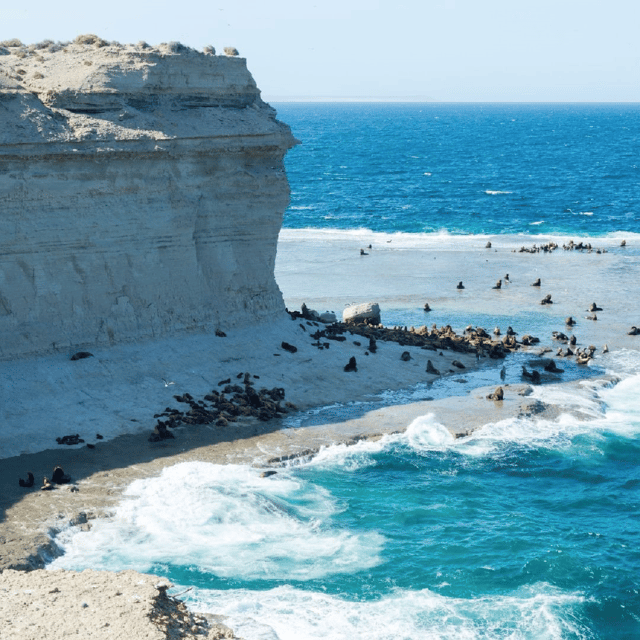
Punta Delgada offers a different kind of coastal stop. You may see a historic lighthouse and an elephant seal colony, along with the open views that make this part of the peninsula feel remote.
The lighthouse adds a human marker to an otherwise natural setting. It also gives the stop a clear visual focus when the animals are resting or difficult to spot. As with Punta Norte, the size of the colony can vary, and some animals may be in the water rather than on shore.
This alternative route is not a lesser version of the day. It simply shifts the emphasis from one point of the peninsula to another. You may prefer Punta Norte for sea lions, but Punta Delgada can provide a useful combination of history, scenery, and elephant seals.
Penguins, sea lions, and the problem of timing
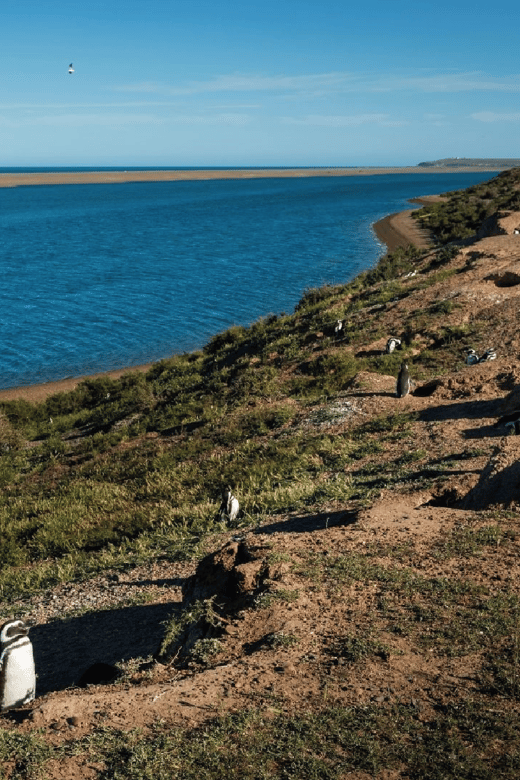
The most important practical point is that wildlife follows its own timetable. In early March, one departure found only a few penguins and roughly a small group of elephant seals on land. The sea lion stop turned out to be the strongest animal viewing of that day, even though it was not expected to be the main feature.
This is not a flaw unique to this tour. It is simply how a wild reserve works. Penguins may be out fishing. Seals may be in the water. Orcas may not pass the coast at all. The same route can feel very different from one month to another.
Still, timing affects value. If your main goal is to see large penguin colonies or many elephant seals, research the best season before booking and ask the operator what is usually visible on your sailing date. The supplied information does not guarantee a visit to the far northern colony reputed to hold hundreds of thousands of Magellanic penguins. The planned stops may instead include a smaller colony or another wildlife site.
I would choose this outing in part for the mix of animals and scenery. I would not choose it if my entire decision depended on seeing penguins up close or watching an orca hunt.
Terrestrial animals and the long road between stops
The road across the peninsula gives you a second wildlife category. Keep watch for guanacos, maras, rheas, foxes, armadillos, and possibly flamingos. These sightings can be quick, and the guide may slow down or stop so you can take photographs when it is safe and practical.
This is where the van time can become worthwhile. You are not just crossing empty ground. The dry interior supports animals that look very different from the seals and penguins on the coast. A mara, sometimes described as a Patagonian hare, can appear suddenly beside the road, while guanacos may be easier to spot in open country.
The two significant salt flats also add geographic interest. They are described as the deepest depressions in South America, giving you a striking reminder that this peninsula is more than a shoreline. The details of the stop can depend on the route and available time, but the salt flats help explain the region’s unusual geology.
Keep your camera ready, but do not expect a staged wildlife presentation. Some animals will be distant or visible for only a few seconds. That uncertainty is part of the appeal, though it can frustrate anyone hoping for guaranteed close views.
Guide quality, languages, and the pace of the day
The tour includes a local guide in English, Spanish, or Portuguese. Guide quality matters here because the route is long and the animals are not guaranteed. A guide who can explain what you are seeing, adjust the plan, and answer questions adds much more value than a driver who only points toward the coast.
Mariano and David are two guide names associated with especially strong departures. Mariano has been praised for combining driving and guiding with clear information about the peninsula, while David has been described as warm, well prepared, and able to explain the area’s flora, fauna, history, and geology. Your guide may be someone else, so treat those names as examples rather than a promise.
The pace is active but not extreme. You will use trails and viewpoints, stand outside in exposed conditions, and spend long periods in a vehicle. Comfortable shoes are a must. A hat, sunscreen, water, weather-appropriate clothing, and binoculars will make the day easier.
The activity is listed as wheelchair accessible, but mobility needs still deserve a direct question before booking. A seven-hour route with vehicle transfers, trails, and viewpoints may work well for some people and be less comfortable for others. If anyone in your party walks slowly or needs extra time, tell the operator before departure so the schedule can be discussed clearly.
What the $112 price really covers
The listed price is $112 per person. That covers the transfer and local guide, but not meals or the reserve entrance fee, which is approximately $30 per person and paid on site.
That puts the basic cost at about $142 per person before lunch. For a cruise passenger, the value comes from reaching a distant natural area without arranging separate transport, finding the main viewpoints, or managing the route back to Puerto Madryn alone.
The price is harder to justify if the day produces only a few animal sightings and much of the route is spent driving. That risk cannot be removed, because the reserve is a living place rather than an attraction with scheduled animal appearances. You are paying for access, transport, interpretation, and the chance to see several kinds of wildlife in one outing.
I see the tour as fair value for someone who wants a broad introduction to Peninsula Valdes. It is less compelling for someone who wants a short, tightly focused shore activity or who dislikes long vehicle transfers.
Returning to the ship without rushing
The final 45-minute drive returns you to the Administration of Puerto Madryn Port in the afternoon. The cruise ship is waiting there, so the return schedule matters as much as the wildlife stops.
One departure cut the return close enough to create real anxiety, and a person with mobility issues found the timing difficult. That does not mean every group will run late, but it does show why you should keep the ship’s departure time in mind from the start.
Ask the operator what return buffer is planned for your sailing date. Listen carefully to the guide’s timing instructions, and avoid assuming that an extra stop can be added without affecting the return. A full day in Peninsula Valdes is worthwhile, but not if you miss the ship.
Free cancellation up to 24 hours before departure and the reserve-now, pay-later option give you some booking flexibility. Those policies are useful, but they do not change the core decision: can you accept a long day and uncertain wildlife in exchange for seeing a much larger part of the region?
Who should book this Peninsula Valdes outing?
I would recommend it to cruise passengers who want a serious look at Chubut’s wildlife and scenery in one day. It suits people who enjoy natural history, broad views, roadside animal sightings, and the chance of an unusual encounter more than people who need guaranteed close-up wildlife.
It is also a good match for anyone who wants a guide to explain the peninsula rather than simply arrange a ride. The interpretation center, salt flats, coastal points, lighthouse option, and terrestrial animals give the day substance even when the marine colonies are quiet.
I would think twice if you are visiting in late season and your only priority is penguins or elephant seals. I would also be cautious if your cruise schedule leaves little room for delay, or if a long van ride is difficult for you.
For most prepared cruise passengers, this is a worthwhile but weather-and-season-sensitive outing. Bring water, sunscreen, sturdy shoes, and patience. Book it for the whole natural setting, with orcas, penguins, and large seal colonies treated as fortunate extras rather than guarantees.
FAQ
Where does the tour meet in Puerto Madryn?
Meet at the Administration of Puerto Madryn Port. The operator will be waiting with a Yellow Penguin sign.
How long does the excursion last?
The excursion lasts about seven hours. The transfer to Peninsula Valdes takes around 45 minutes, followed by about five hours of guided touring and a 45-minute return drive.
What languages are available?
The live guide service is available in English, Spanish, and Portuguese.
Is the reserve entrance fee included?
No. The entrance fee is approximately $30 per person and must be paid on site.
Is lunch included?
No. Lunch is not included, but you may have the option to eat during the visit at your own expense.
Which animals might I see?
Depending on the season, weather, tides, and route, you might see elephant seals, penguins, sea lions, guanacos, maras, rheas, foxes, armadillos, flamingos, and possibly orcas.
What should I bring?
Bring comfortable walking shoes, a hat, sunscreen, water, weather-appropriate clothing, a camera, and binoculars.
More shore excursions at Puerto Madryn
- Cruise Shore Excursion Ea San Lorenzo Peninsula Valdes – Patagonia – Argentina
★ 4.5 · 43 reviews - Punta Tombo Shore Excursion w/box Lunch(Shared tour for cruises)
★ 4.5 · 40 reviews - Puerto Madryn: Punta Tombo Shore Excursion for Cruise Guests
★ 4.6 · 25 reviews - Puerto Madryn: Punta Loma Shore Excursion
★ 4.3 · 22 reviews
Just added in Puerto Madryn
- Whale Watching Boat★ 4.7 · 7 reviews
- Punta Tombo Tour, the Penguin Experience★ 4.5 · 46 reviews
- Punta Tombo Shore Excursion w/box Lunch(Shared tour for cruises)★ 4.5 · 40 reviews
- Punta Tombo Penguin Colony from Puerto Madryn with optional Toninas Watching★ 4.5 · 33 reviews
- Full Day Peninsula Valdes Experience – optional Whale Watching★ 5.0 · 53 reviews
- Snorkeling with Sea Lions★ 4.7 · 7 reviews
- Shore Tours Peninsula Valdes Puerto Madryn Cruise Passengers★ 4.2 · 4 reviews
- Punta Tombo Penguin Tour & Optional Tonina Watching★ 4.1 · 8 reviews
Shore Excursions, compared.
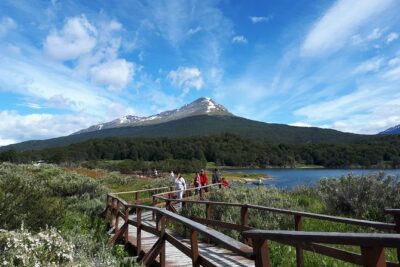
Shore Excursion – National Park Tierra del Fuego
Read our review →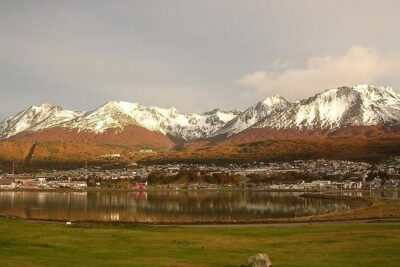
Tierra del Fuego National Park, Ushuaia City Tour Shore Excursion
Read our review →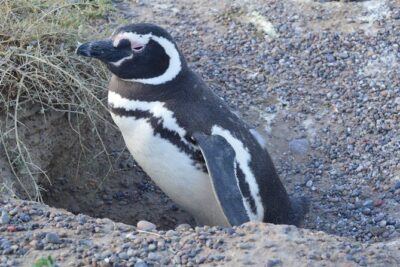
Cruise Shore Excursion Península Valdés – Pto Madryn – Patagonia – Argentina
Read our review →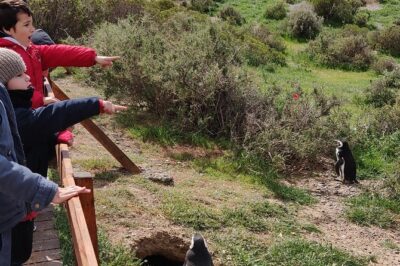
Cruise Shore Excursion Punta Tombo with Boxlunch from Pto Madryn
Read our review →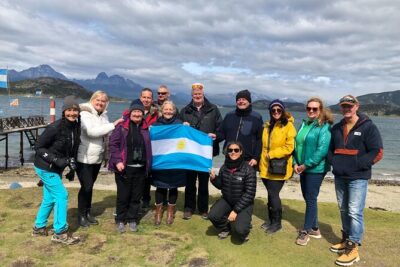
Ushuaia Shore Excursions Tierra del Fuego National Park
Read our review →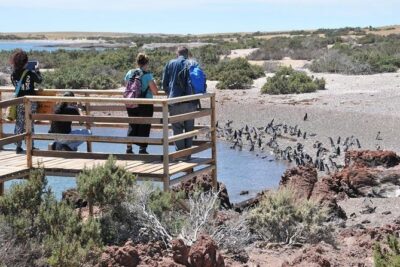
Shore Excursion Punta Tombo cruise passengers Puerto Madryn
Read our review →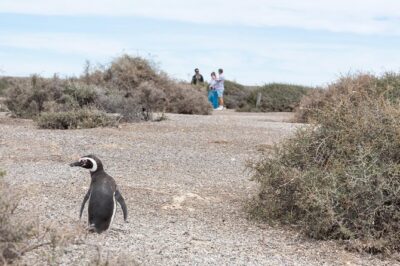
Cruise Shore Excursion Ea San Lorenzo Península Valdés – Patagonia – Argentina
Read our review →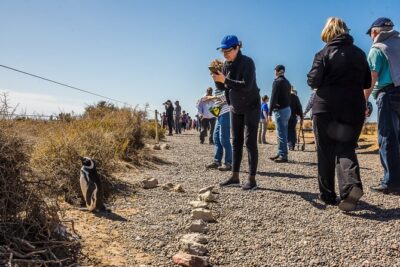
Punta Tombo Shore Excursion w/box Lunch(Shared tour for cruises)
Read our review →Browse the lists this tour appears in