
Reviewed · URUGUAY DAY TRIPS
Private Fullday Trip to Montevideo from Buenos Aires
Montevideo makes a fine second-country day trip from Buenos Aires, but the real attraction is the journey: you cross the broad Río de la Plata by ferry, then trade Argentina’s capital for Uruguay’s calmer waterfront city. The private format lets you see far more than just the old center, including elegant Carrasco, the Rambla, and Mercado Agrícola.
I like the hotel or cruise-port pickup, since it removes a major layer of planning. I also like the mix of guided sightseeing and free time, so you can learn the city’s story without spending every minute in a vehicle. The catch is the 16-hour day and $749 price per person, especially with about six hours spent on the ferry.
Key points to know before booking
- The ferry crossing is part of the adventure: Expect about three hours each way across the Río de la Plata.
- You get a private group: Your guide and driver can shape the day around your pace more easily than a large coach tour.
- The route covers modern and historic Montevideo: You’ll see Ciudad Vieja, Carrasco, the Rambla, Parque Batlle, and Mercado Agrícola.
- Old Town is only one part of the visit: The tour also shows waterfront mansions, marinas, parks, and Uruguay’s political center.
- Lunch is your responsibility: Food and drinks are not included, though the guide can recommend a restaurant.
- Plan carefully around your passport and ship schedule: A valid passport is required, and the tour does not refund missed departures caused by a late cruise ship.
Why Montevideo works as a Buenos Aires day trip
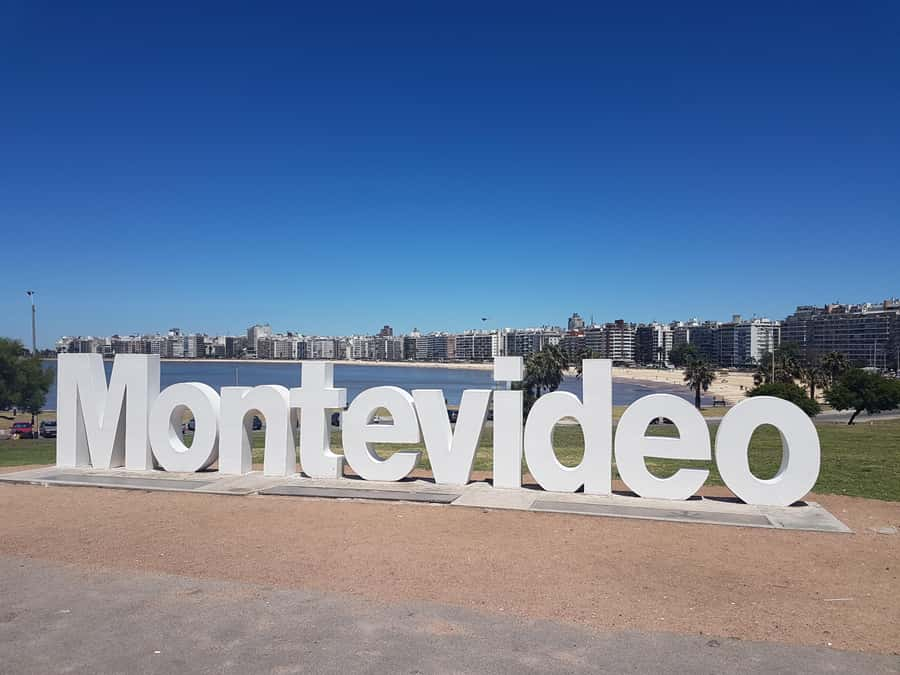
Montevideo is close enough to reach by boat yet different enough to feel like another chapter of your South American trip. The city has a more relaxed scale than Buenos Aires, with the Río de la Plata always nearby and a clear blend of colonial streets, broad avenues, parks, beaches, and early twentieth-century architecture.
The ferry gives the outing a sense of occasion. You are not simply riding across town. You leave Buenos Aires, watch the shoreline recede, and arrive in another country by water. The crossing takes around three hours in each direction, so the boat is not a minor transfer. It is a substantial part of the day.
That travel time is both a strength and a weakness. I enjoy the change of pace and the views from the river, but you need to be comfortable with a long day before booking. The city visit itself lasts only part of the total 16-hour schedule, and the return ferry can feel tiring after a full afternoon of sightseeing.
Pickup is available from hotels or the cruise ship terminal in Buenos Aires, with listed areas including San Telmo, Puerto Madero, Monserrat, Palermo, and Retiro. Drop-off returns to the same general areas. That door-to-door arrangement is valuable in a city where a small mistake with ferry timing could spoil the entire excursion.
Other river crossings from Buenos Aires:
- Colonia Premium Day Tour From Buenos Aires
★ 4.0 · 137 reviews - Premium Day Tour to Colonia del Sacramento
★ 4.0 · 86 reviews - Colonia del Sacramento: Small-Group Day Trip
★ 4.5 · 48 reviews
Starting with a three-hour crossing
The day begins with pickup and the ferry to Montevideo. Bring your passport, since you need a current valid passport on the day of travel. If you require a visa for Uruguay, you are responsible for having it.
Large bags and luggage are not allowed, so pack lightly. A small day bag with your passport, phone, water, and anything needed for the long day is the sensible choice.
The boat ride gives you time to rest before the city tour. From the water, you may see Montevideo’s waterfront, marinas, and elegant homes before docking. The Río de la Plata is broad enough to feel like open water, and the crossing helps explain why Buenos Aires and Montevideo developed as connected but distinct port cities.
The activity offers live guiding in English, Spanish, and Portuguese. Since this is a private group, you can ask questions as you go rather than waiting for a large group to catch up. Guide names vary, but past departures have included Patricia, Augusto, Beatriz, and Brigitte. Beatriz was especially praised for explaining Uruguay’s history, architecture, and culture, while Brigitte brought detailed commentary and a warm manner to the day.
Seeing Montevideo beyond Ciudad Vieja

After arrival, the Montevideo portion begins with a broad city tour. This is useful because the capital is not only its oldest quarter. You’ll cover several districts and see how the city changes from historic streets to residential neighborhoods, parks, and waterfront roads.
The route includes several short stops, as well as longer sightseeing time. You should expect a mixture of guided driving, brief walks, photo opportunities, and explanations from your guide rather than a full walking tour at every location.
Rambla Presidente Wilson
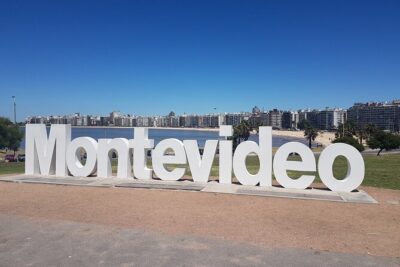
The Rambla is one of Montevideo’s defining features. This waterfront road and promenade follows the Río de la Plata and gives you a chance to see the city in relation to the water.
The stop is scheduled for about an hour, making it one of the more generous portions of the route. You can take in the river views, watch the city’s shoreline unfold, and appreciate the recreational side of Montevideo. The water here helps set the city’s mood. Montevideo is a capital, but it also feels like a place built for long walks and open views.
Bring comfortable shoes if you plan to get out and walk. The tour includes several stops, and the combination of vehicle time and short walks can be easier if you dress for a full day outdoors.
A few more things to do in Buenos Aires worth a look
- Buenos Aires Private City Tour with Local Guide
★ 5.0 · 308 reviews - Buenos Aires: Private Tango Lesson
★ 4.9 · 244 reviews - Buenos Aires: Personalized 2 to 8-Hour Private Walking Tour
★ 4.7 · 149 reviews - Private Arrival Transfer: Ezeiza Airport to Buenos Aires Hotels
★ 4.0 · 136 reviews
Plaza Virgilio
Plaza Virgilio is a brief stop of about 15 minutes. It provides another viewpoint along the waterfront and works well as a quick photo pause rather than a major sightseeing visit.
Do not expect a long guided exploration here. The value is in seeing another section of the coast and adding context to the larger Rambla route.
Carrasco
Barrio Carrasco introduces a more residential and refined side of Montevideo. The area is known for elegant homes and a quieter feel than Ciudad Vieja.
The stop lasts around 30 minutes. You may see large houses and architectural details that help show how Montevideo’s wealthier districts developed. One particularly useful detail from the tour experience is the contrast between chalet-style homes, including Swiss and German influences, and their modern commercial use.
This stop matters because it keeps the tour from becoming an old-center-only visit. You get a wider picture of the city, though travelers who want a long, leisurely walk through one neighborhood may find the time here short.
Parque Batlle
Parque Batlle adds open space and greenery to the day. The stop lasts about 30 minutes, giving you a break from dense streets and historic buildings.
The park is part of the city’s public face, showing how Montevideo balances urban life with broad recreational spaces. Your guide can place the area within the city’s development, while you get a chance to stretch your legs.
The schedule is brisk. If you prefer to linger in parks, take photographs, or sit for a while, the fixed timing may feel limiting. On the other hand, the short stop helps fit several different parts of Montevideo into one day.
Walking through Ciudad Vieja
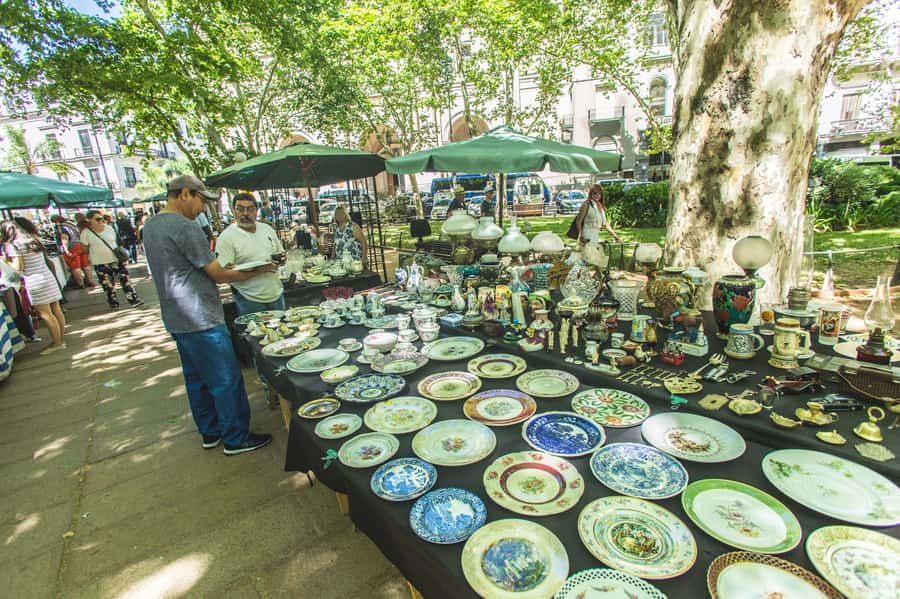
Ciudad Vieja is the historic heart of Montevideo and one of the most rewarding parts of the visit. Here you can walk cobblestone streets, see colonial architecture, and encounter old civic and religious buildings.
The scheduled visit is about 30 minutes, though the wider Montevideo tour includes additional time for sightseeing. That is enough to get your bearings and hear the main historical story, but it is not a full museum-by-museum visit.
The Old Town is best approached with realistic expectations. You will see monuments, old facades, cathedrals, and streets shaped by the city’s colonial past. You will not have time to visit every museum or study each building at length. The advantage of a guide is that you can understand what you are seeing instead of simply passing through.
The tour also leaves some free time for independent exploring. Use it for a short walk, a closer look at architecture, or a relaxed meal. Ask your guide where to eat rather than choosing at random. Beatriz, one of the guides used on past departures, was particularly helpful with lunch suggestions.
Palacio Legislativo and Mercado Agrícola
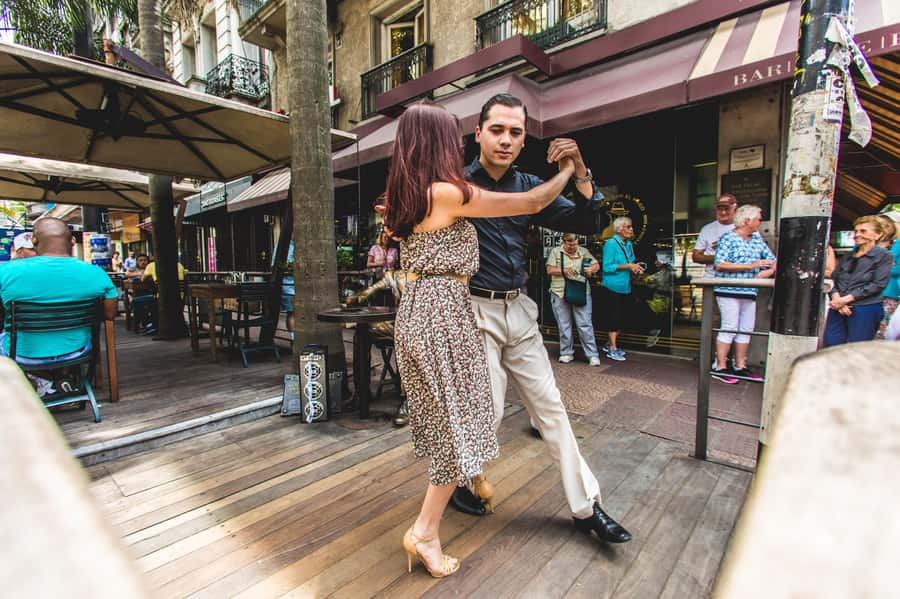
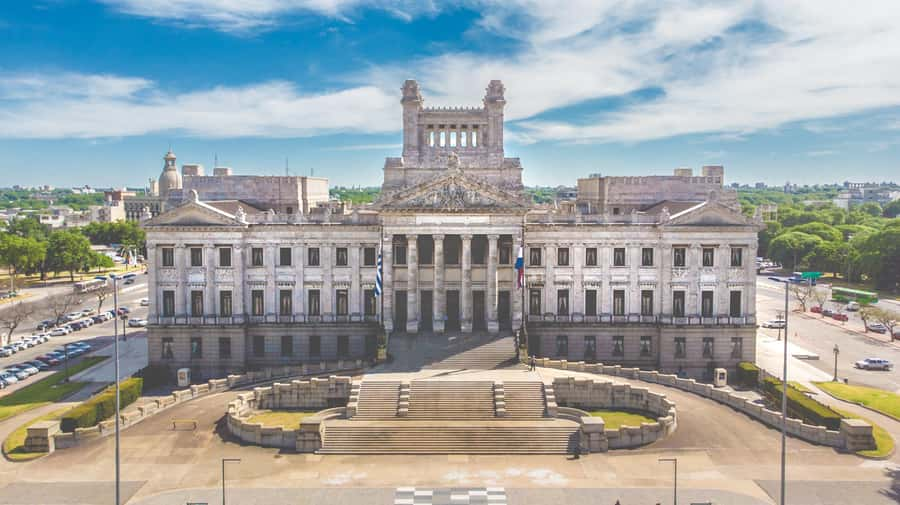
Palacio Legislativo is one of Montevideo’s major civic landmarks. The stop is brief, about 10 minutes, so you will mainly view the building from outside and hear why it matters.
Even with little time, it adds an important political dimension to the day. Montevideo is not only a port and historic capital. It is also the seat of Uruguay’s national government, and the palace gives you a visible reminder of that role.
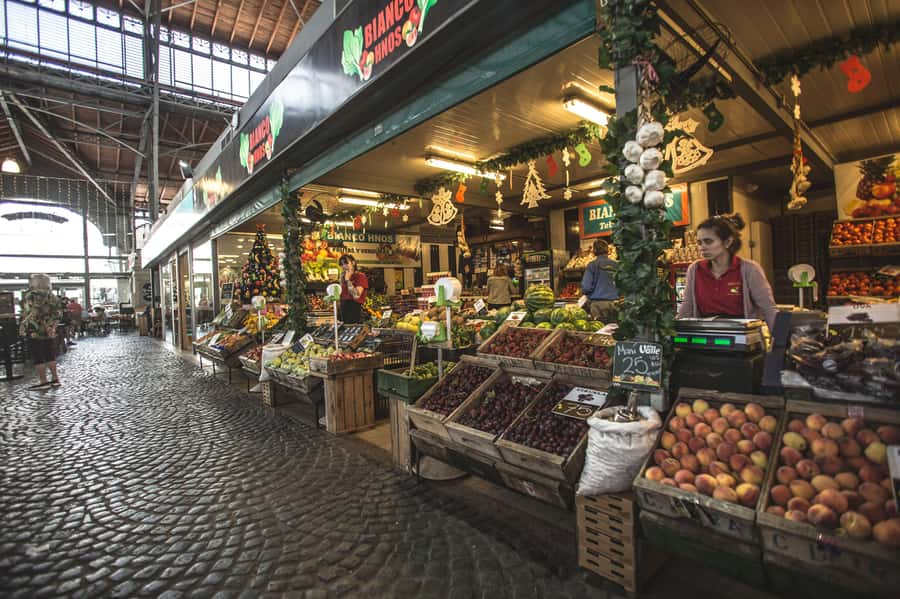
Mercado Agrícola de Montevideo offers a more everyday side of the city. The visit lasts about 30 minutes and provides a chance to see a traditional market setting rather than another formal monument.
This is also a useful place to think about food. Lunch and drinks are not included in the tour price, so you should confirm with your guide how much free time is available and where your meal will fit. The market stop may offer an appealing setting, but the supplied details do not promise a meal there, so do not assume food is part of the admission or itinerary.
Free time, lunch, and the private format
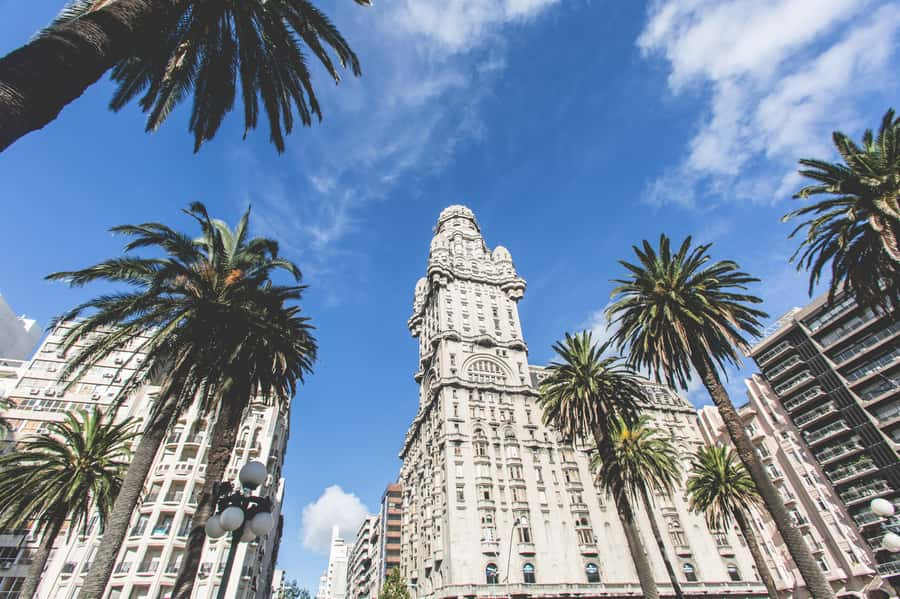
The independent time is one of the best features of this outing. Guided tours can become tiring when every minute is assigned, especially on a 16-hour day. Here, you have room to wander, shop, take photographs, or sit down for lunch before meeting the group again.
The private format is important. A private guide and driver can adjust the pace to your interests more easily than a large group. If you want more architecture, more waterfront time, or a slower walk through Ciudad Vieja, you can ask. The exact flexibility depends on the day’s ferry schedule and the route, so do not expect unlimited changes.
Past guide pairings have included Patricia and Augusto, with both receiving especially strong praise for showing the attractive sides of Montevideo. Adrian was also described as a careful and pleasant driver, while Brigitte was noted for clear commentary about Uruguay. These details suggest that the human side of the tour can make a real difference, though you cannot assume a particular guide will be assigned to your booking.
Is $749 per person a fair price?
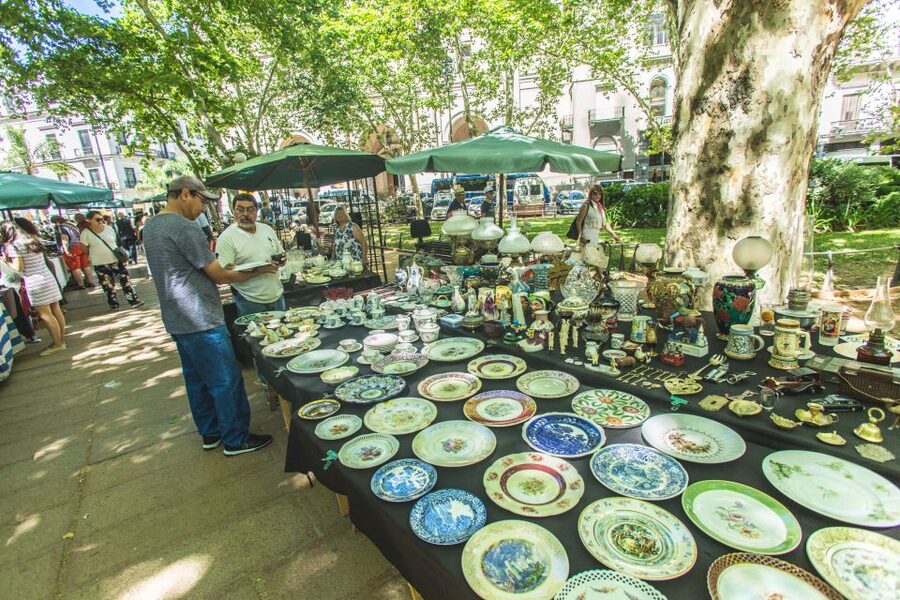
At $749 per person, this is not a budget way to visit Montevideo. You are paying for private transportation in Buenos Aires and Montevideo, ferry tickets, a local guide, the city tour, and the convenience of having the day organized from pickup to drop-off.
The price makes more sense for a small private group that values comfort and simplicity. If you are traveling with family or friends and would otherwise arrange transfers, ferry tickets, a driver, and a guide separately, the package may be reasonable. The private setting also gives you more personal attention than a standard group excursion.
The value is weaker if you are comfortable using public transport, booking your own ferry, and exploring Montevideo independently. In that case, the long crossing and high cost may not offer enough return.
Food and drinks are extra. So are any purchases or personal admissions not specifically included. Ask about the exact meeting time before booking, since the activity lasts 16 hours and starting times vary by availability.
The long-day drawbacks you should weigh
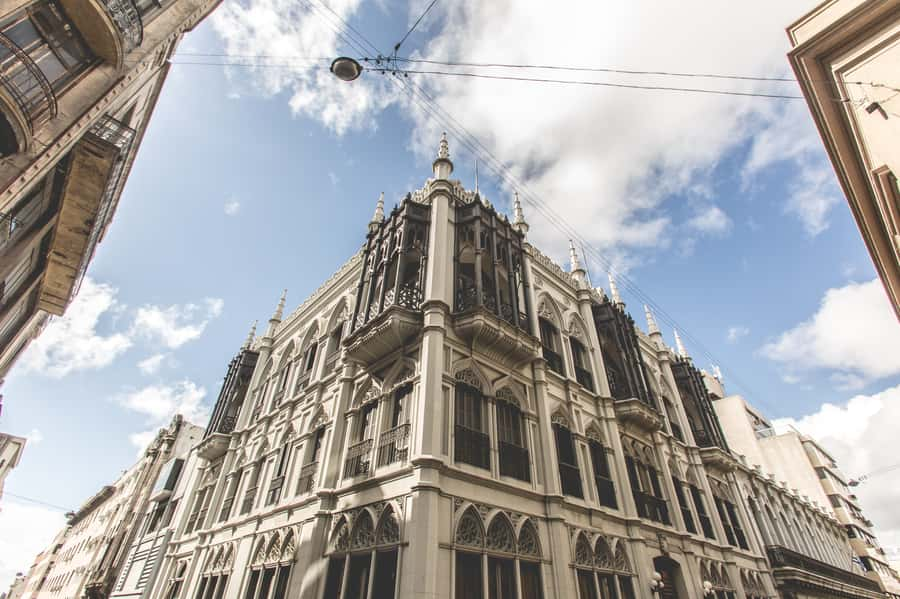
The biggest issue is endurance. Six hours of ferry travel, plus driving, walking, sightseeing, and a return to Buenos Aires make this a demanding day.
The ferry may be relaxing, but it still takes time away from Montevideo. If you want several museums, a long lunch, or a slow afternoon in Old Town, this route will feel compressed. The tour covers many districts, which is good for an overview but means most stops are short.
Cruise ship passengers need extra caution. The activity does not issue refunds if you miss it because your ship arrives late or fails to arrive. That makes this a poor choice if your port schedule is uncertain.
The tour is also not suitable for wheelchair users, and unaccompanied minors are not allowed. Children must travel with an adult.
Who should book this Montevideo day trip?
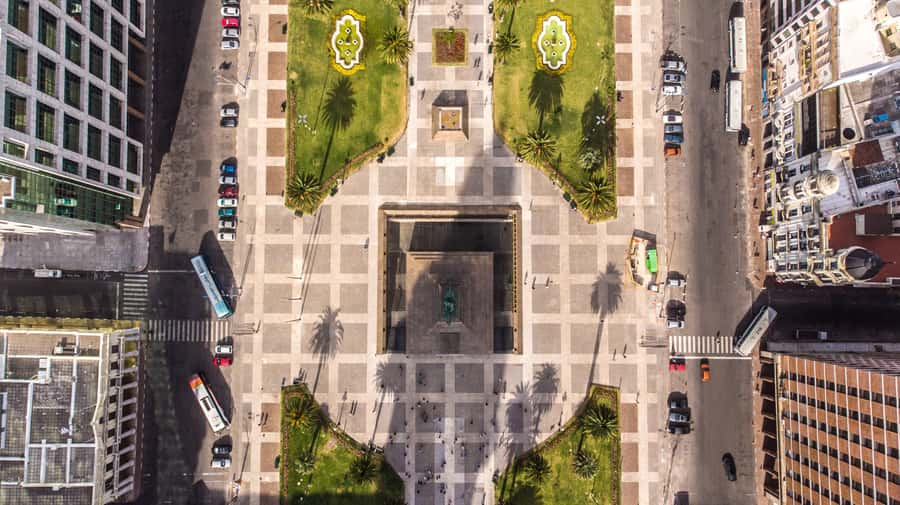
I would recommend it to you if you have limited time in Buenos Aires, want to add Uruguay without changing hotels, and prefer having transport and guiding handled for you. It is particularly useful for a private family group, couples who value convenience, or cruise passengers with a firm schedule and enough time in port.
You will get the most from it if you enjoy a broad city overview rather than a slow, single-neighborhood visit. The route shows waterfront areas, residential districts, parks, government buildings, the market, and Ciudad Vieja in one sweep.
I would hesitate if you dislike long ferry rides, need an accessible vehicle, want a low-cost outing, or prefer spending most of your day on foot. I would also avoid booking it around a tight cruise schedule because the non-refundable policy leaves little room for delay.
FAQ
How long does the Montevideo trip last?
The full activity lasts 16 hours, including pickup, sightseeing in Montevideo, and the return ferry to Buenos Aires.
How long is the ferry ride?
The itinerary allows about three hours for the ferry from Buenos Aires to Montevideo and another three hours for the return crossing.
What does the price include?
The price includes pickup and drop-off at your hotel or cruise port, ferry tickets, a local guide, and a Montevideo city tour.
Is food included?
No. Food and drinks are not included. You have free time to find lunch, and the guide may recommend a local restaurant.
Where can pickup and drop-off take place?
Pickup and drop-off options include San Telmo, Puerto Madero, Monserrat, Palermo, and Retiro.
What languages are available?
Live guiding is available in English, Spanish, and Portuguese.
Do I need a passport?
Yes. You must bring a current valid passport on the day of travel. Bring a visa as well if your nationality requires one.
Can wheelchair users join the tour?
No. The activity is not suitable for wheelchair users. Children must be accompanied by an adult, and unaccompanied minors are not allowed.
Should you book it?
Book this trip if you want a well-organized private introduction to Montevideo and value the ease of hotel pickup, ferry tickets, a driver, and a guide in one package. The mix of Ciudad Vieja, the Rambla, Carrasco, Parque Batlle, Mercado Agrícola, and free time gives you a useful feel for the city beyond its postcard center.
Skip it if $749 feels steep, if six hours on a ferry sounds tedious, or if your cruise arrival is not dependable. For the right private group, this is a convenient and satisfying way to add Uruguay to a Buenos Aires visit. Just treat it as a long cross-border expedition, not a quick side trip.
Just added in Buenos Aires
- Tango Show at El Querandi with optional Dinner★ 4.2 · 3 reviews
- Wine Tasting in Buenos Aires★ 4.2 · 4 reviews
- Walking Tour: Buenos Aires bookstores★ 4.3 · 12 reviews
- Velez Sarsfield Football Match★ 5.0 · 3 reviews
- Private Underground Tango Immersion★ 5.0 · 31 reviews
- Tour Buenos Aires in one day on Electric Scooters★ 5.0 · 33 reviews
- Sailing with Wine Tasting in Buenos Aires★ 5.0 · 50 reviews
- Experience The Essence of Buenos Aires in San Telmo★ 5.0 · 51 reviews
Uruguay Day Trips, compared.

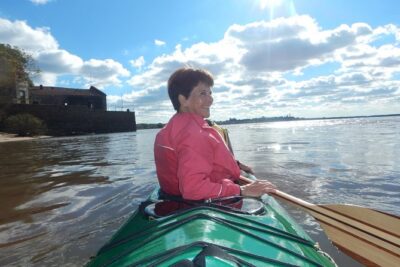
TRU KAYAK – Cruise along the majestic Uruguay River
Read our review →

Montevideo Private Full Day Tour from Buenos Aires
Read our review →Browse the lists this tour appears in