
Reviewed · RECOLETA CEMETERY TOURS
Recoleta & Cemetery for curious people
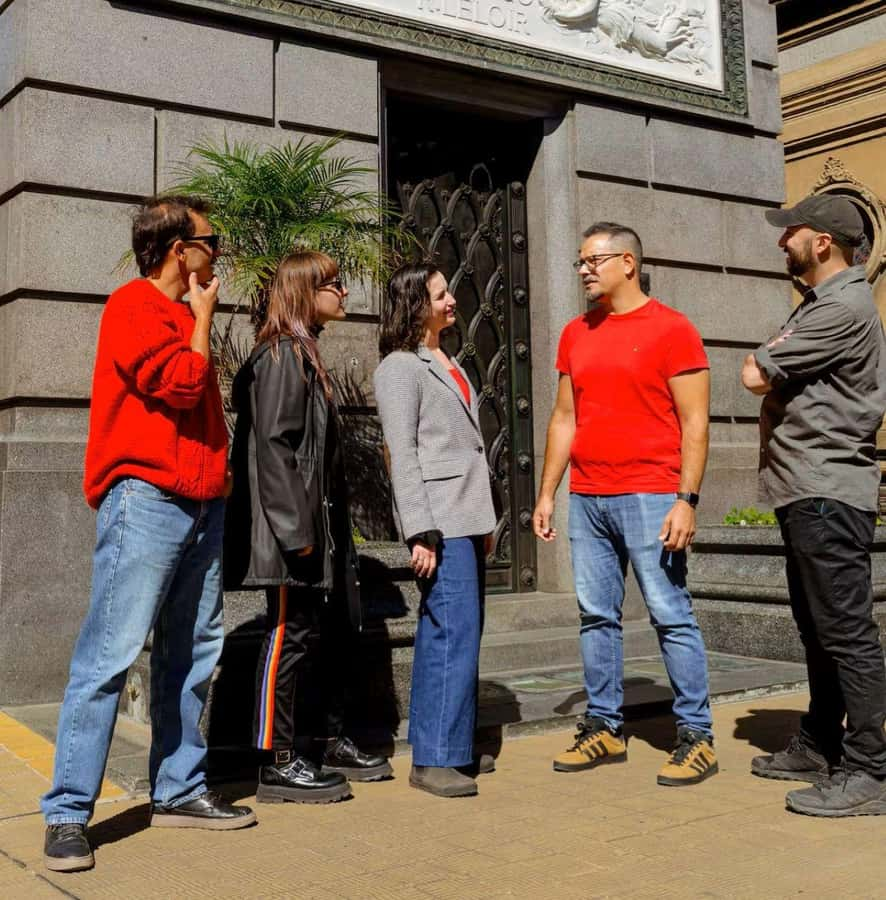
Buenos Aires reveals its sharpest contrasts on this walk: grand Parisian-style buildings, old-money mansions, and Recoleta Cemetery, where Argentina’s powerful families built elaborate final homes. I especially like the anthropological angle and the chance to question who gets remembered, not just admire marble and bronze. I also like that guides such as Nicolas and Ignacio adjust the conversation to your questions.
The main consideration is that the cemetery ticket is not included, so you will pay separately if you want to enter. The route also covers many stops in 150 minutes, so the experience suits you best if you enjoy walking, discussion, and a fairly quick look at several buildings rather than long interior visits.
Key points to know before booking
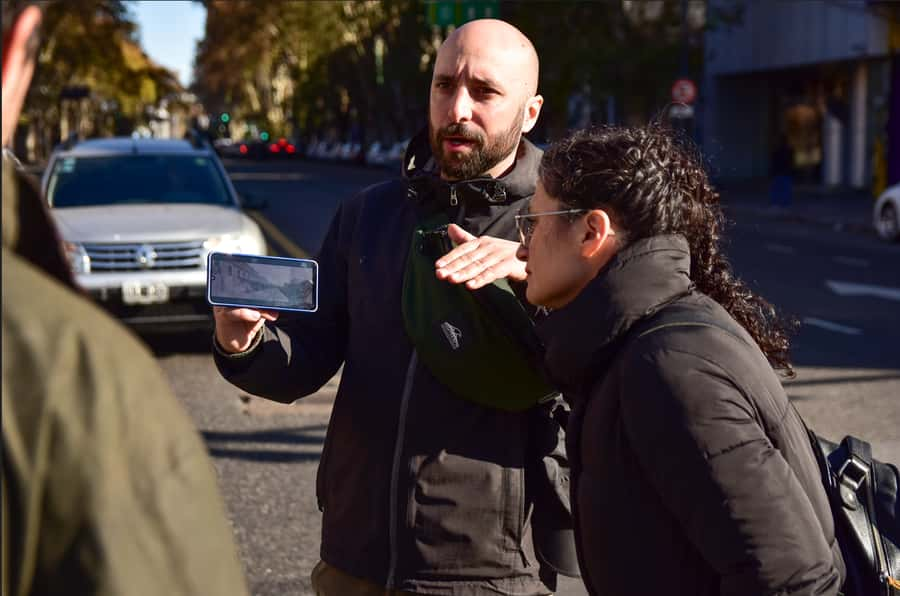
- A 150-minute walk from Plaza San Martín to Recoleta Cemetery, with stops at mansions, embassies, monuments, and grand hotels.
- A discussion-led tour, not a simple list of dates and names. You are encouraged to ask questions and challenge the usual story of Buenos Aires.
- Argentina’s Gilded Age takes center stage, including the power of huge landowners and the city’s dream of becoming a world capital.
- Cemetery admission is optional and separate, giving you flexibility but adding a small extra cost.
- Nicolas and Ignacio are praised for humor, detail, and personal attention, though the guide assigned to your departure may vary.
- English, Spanish, and French are available, with private and small-group options.
Buenos Aires begins with power, money, and a Parisian dream
The walk starts at the Rapa Nui store near Plaza General San Martín. From there, you move through one of central Buenos Aires’s most polished areas, where public squares, diplomatic buildings, luxury residences, and commercial power sit close together.
I like that the route does not treat Recoleta as a pretty neighborhood floating outside Argentina’s political story. The buildings make more sense when you ask who paid for them, who benefited from the country’s wealth, and why Buenos Aires wanted to look European.
The guide frames the city’s famous Parisian image as an ambition, not a natural fact. That distinction matters. You see elegant façades, but you also discuss the social system that produced them. This makes the walk useful if you want more than attractive photographs.
More of the old neighbourhoods in Buenos Aires:
- Buenos Aires: La Recoleta Cemetery Guided Tour in English
★ 4.8 · 1,359 reviews - Buenos Aires Bike Tour: North Districts, Recoleta and Palermo
★ 4.5 · 91 reviews - Recoleta Cemetery – Small Group Tour of History & Secrets
★ 5.0 · 53 reviews
Plaza San Martín sets the tone
Plaza General San Martín receives two short guided sections of about 10 minutes each. The repeated listing reflects the importance of this opening area, where the tour establishes the setting for the rest of the route.
You can expect discussion of the city’s upper-class development and the way Argentina presented itself during its most confident period. The square provides a useful starting point because the tour soon shifts from open public space to the private world of clubs, residences, embassies, and elite institutions.
I would pay close attention here, since the main ideas introduced at the plaza return later at the cemetery. The central question is simple: who had the money and influence to shape Buenos Aires, and how does that power still appear in the city?
Edificio Kavanagh and Torre Monumental
Edificio Kavanagh receives a 10-minute stop. Its place on the route lets you compare the grand residential architecture of the old elite with a later statement of urban ambition. The guide uses the building to connect architecture with money, status, and the changing face of Buenos Aires.
Next comes Torre Monumental, also with about 10 minutes of guided explanation. The tower adds another layer to the neighborhood’s story and helps break up the sequence of palaces and mansions. You are not simply looking at isolated landmarks. You are tracing how different eras left their mark on the same part of the city.
The short stops are a strength if you like variety. They are a limitation if you want detailed architectural analysis of every building. This is a moving conversation, not a specialist lecture at each doorway.
Mansión Estrugamou and Palacio San Martín
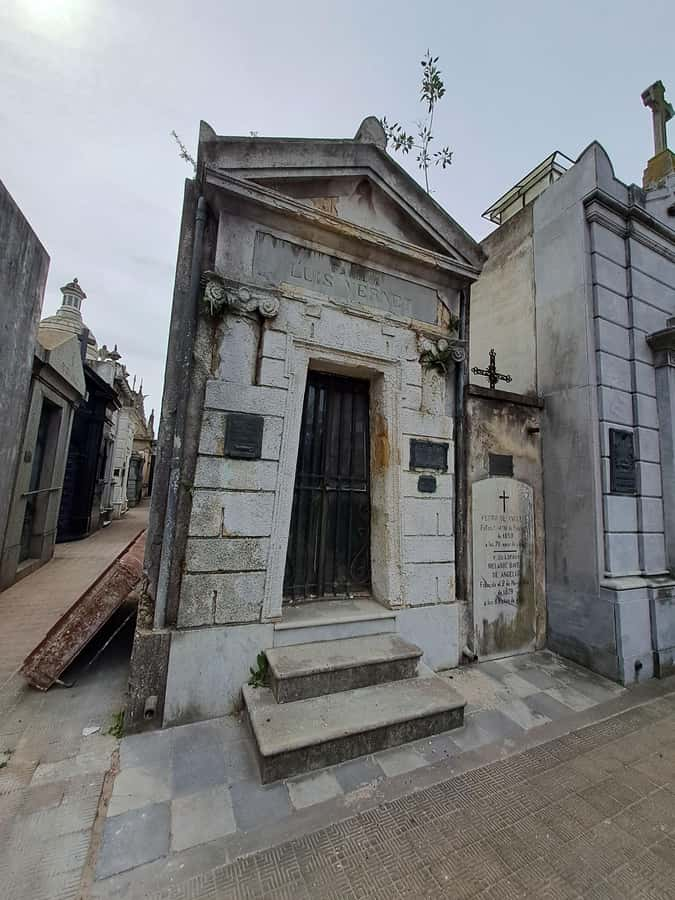
Mansión Estrugamou, also known as Casa Basavilbaso, gives the walk one of its clearest looks at residential wealth. The name itself hints at changing ownership and layered family stories, while the building helps explain how Argentina’s prosperous families displayed their position.
At Palacio San Martín, the focus widens from private fortune to public and diplomatic life. The route shows how elite residences and state institutions worked together to project a certain image of Argentina abroad.
This is where the tour’s historical argument becomes especially useful. Argentina’s Gilded Age was not just about lavish homes. It was also about confidence, international influence, and the belief that the country could become one of the world’s great powers. The guide invites you to consider why that promise rose so high and then became much less certain.
Same base, a different kind of day out:
- Buenos Aires Hop-On Hop-Off Bus, Free Walking Tours & Discounts
★ 4.5 · 2,218 reviews - Buenos Aires: Piazzolla Tango Show with Optional Dinner
★ 4.4 · 2,122 reviews - Buenos Aires: City Highlights Guided Tour with Transfer
★ 4.7 · 1,946 reviews - Buenos Aires: Hop-On Hop-Off City Bus Tour
★ 4.2 · 1,855 reviews
A short break before the embassies and clubs
A five-minute break is planned at a Carrefour Express. That is a practical pause during a route with many stops, and it gives you a chance to buy a drink or snack if needed.
After the break, the walk continues to the Embassy of France. The building fits the tour’s examination of Buenos Aires as a city that borrowed heavily from European models. You can expect the guide to use the embassy and surrounding architecture to discuss cultural influence, diplomacy, and the city’s wish to be seen as refined and international.
The stop at the Jockey Club follows. This is one of the most useful places for understanding the old social order. Clubs like this represented access, status, and the world of people who shaped the country’s economy and politics. The tour does not ask you to admire that world without question. Instead, you look at its privileges and its long effect on Argentina.
Palacio Duhau brings the old elite into the present
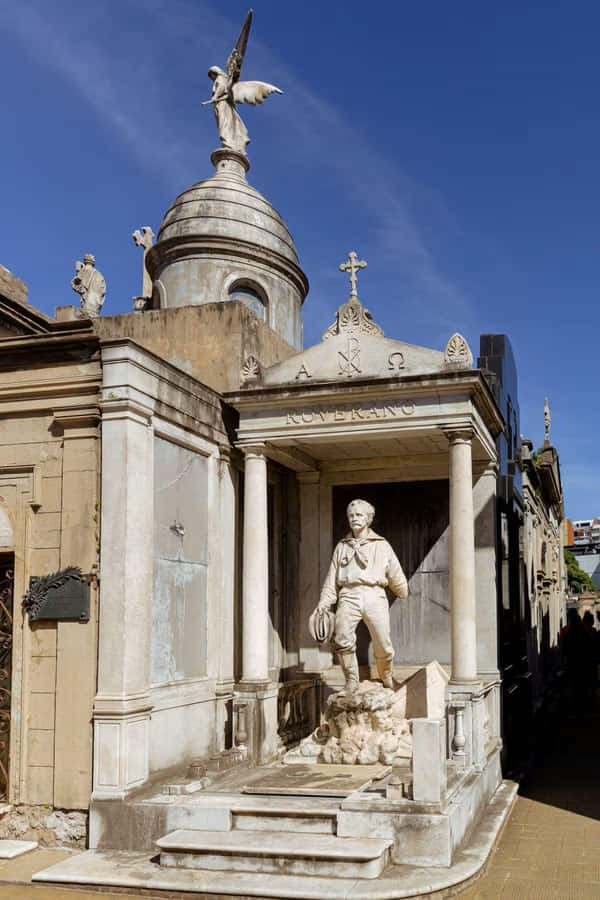
The route reaches Palacio Duhau, now associated with Park Hyatt Buenos Aires, for a shorter five-minute explanation. The building is a good example of how elite residences can shift from private family spaces to modern luxury properties.
That change gives you a chance to think about preservation and commercial use. The architecture remains part of the city’s identity, but its role has changed. You see how Buenos Aires continues to sell the image of elegance that earlier generations built, even as the original social world behind it has changed.
The stop is brief, so do not expect a full hotel visit or an interior tour. Its value lies in the link between past wealth and present-day Buenos Aires.
Recoleta Cemetery turns architecture into biography
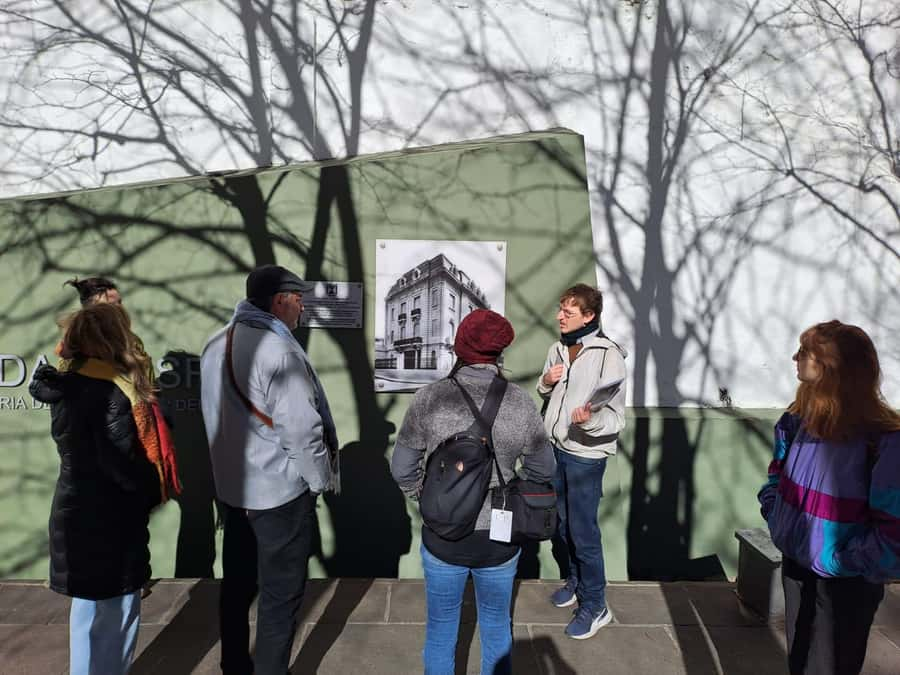
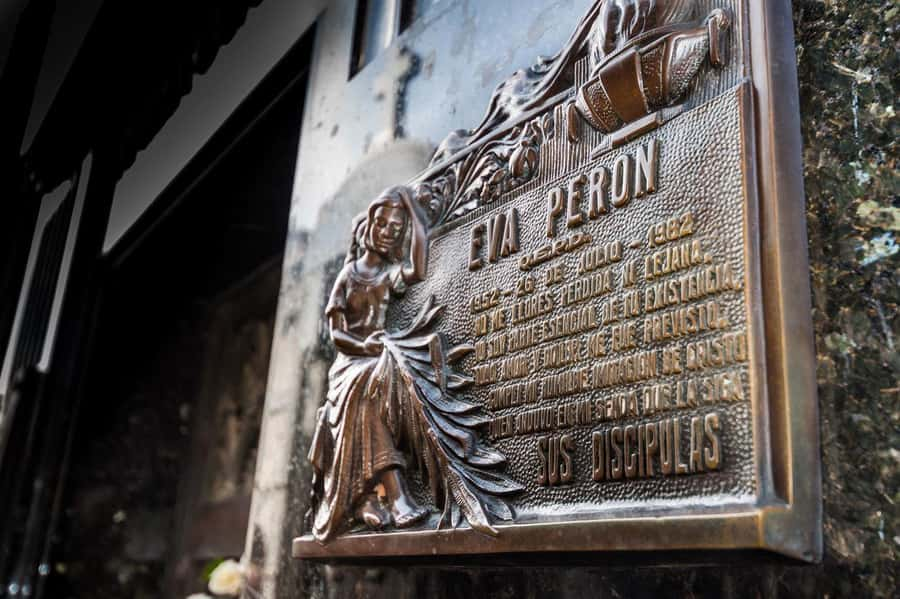
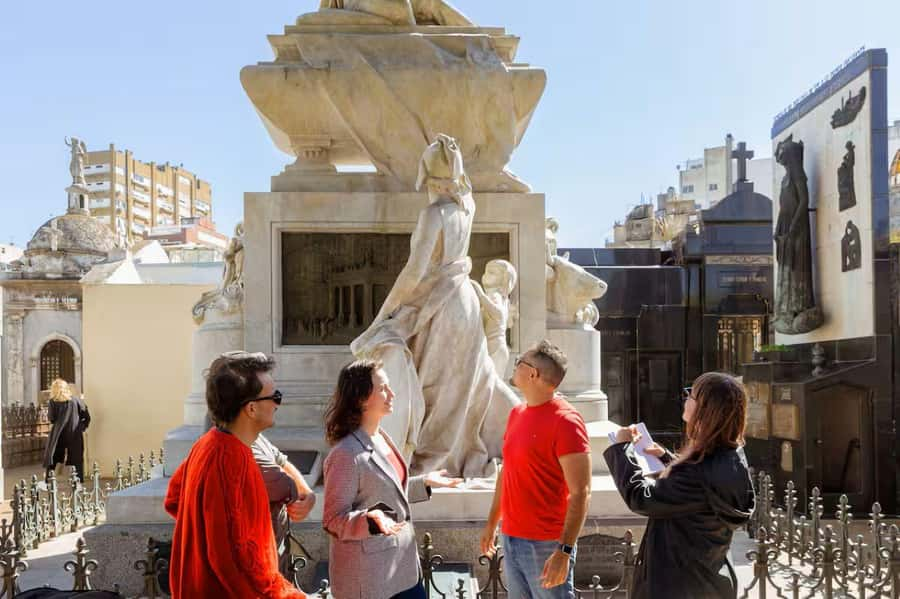
The final guided section lasts about 45 minutes at Recoleta Cemetery. This is the heart of the experience, and it gives the earlier stops a more personal shape.
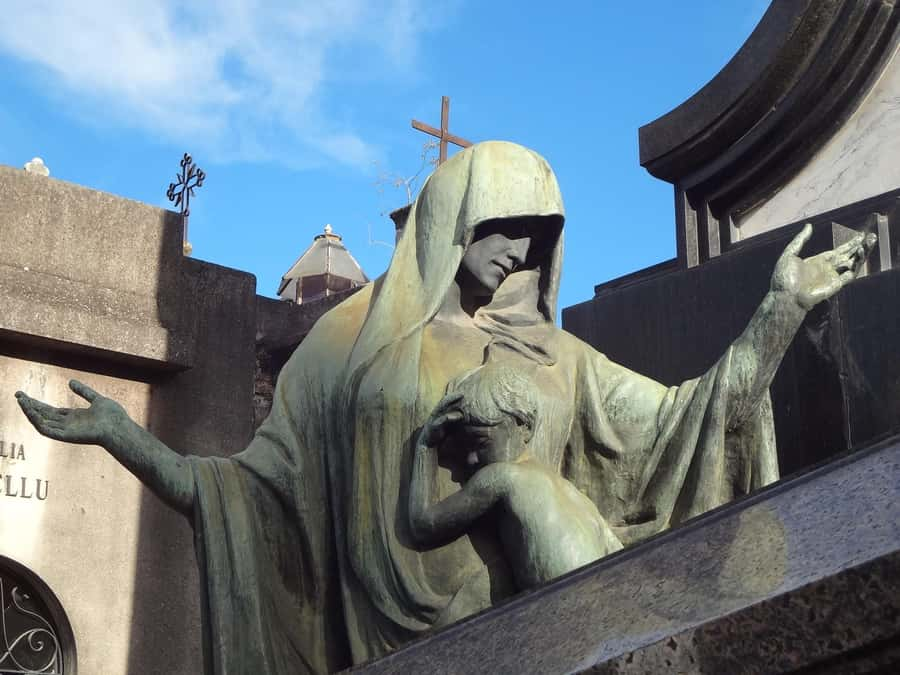
The cemetery is treated as a record of society. Grand mausoleums show who had the money to commission a permanent monument, while the names and stories attached to them reveal Argentina’s political, economic, and cultural divisions. You look at more than tombs. You ask who is remembered, who is left out, and what families wanted future generations to believe about them.
That approach makes the cemetery more meaningful than a parade of famous names. You may hear about people connected to Argentina’s ruling class and national story, but the larger point is how memory is built. Marble, scale, location, and family names all communicate rank.
Entry into the cemetery is optional. You can purchase a ticket at the entrance or arrange one online in advance. Since admission is not part of the $34 tour price, check the current ticket cost before booking and allow for that extra expense if you want the full final section.
What the guide’s style adds
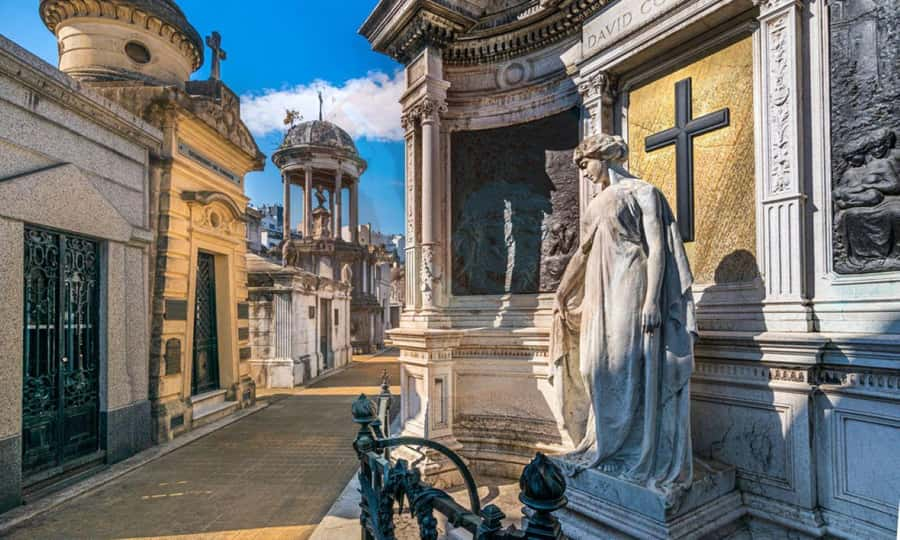
The experience includes a guide with a university degree and is built around conversation. That matters because the central themes are open to debate. You are not only hearing when buildings were constructed. You are considering why they were built and what they say about Argentina.
Nicolas, also referred to as Nico, is praised for giving detailed explanations, answering individual questions, and adding lesser-known side stories with humor. Ignacio is also singled out for making the visit a strong way to understand Buenos Aires. The guide available on your departure may differ, but the format allows room for questions rather than forcing every group through a fixed speech.
The small-group and private options are worth considering if you care about discussion. A private visit should give you more control over pace and topics, while a small group can still keep the conversation personal. The exact group size is not stated, so confirm the option available when you book.
Is $34 a fair price?
At $34 per person, I see this as a solid value if you want context and conversation rather than transport or admission bundles. The price covers a 150-minute guided walk with stops across two major parts of the city, from Plaza San Martín through the elite quarter to Recoleta Cemetery.
You are paying for interpretation. The buildings themselves are free to view from outside, and the cemetery ticket costs extra. If you only want photographs, a self-guided walk will cost less. If you want someone to connect architecture, class, politics, national ambition, and public memory, the fee is easier to justify.
The value improves for people who ask questions and engage with the guide. It is less compelling if you prefer a quiet stroll or a tour focused only on famous sights. The experience succeeds because it treats the route as an argument about Buenos Aires.
Pace, languages, and practical details
The stated duration is 150 minutes, with the largest block reserved for Recoleta Cemetery. Most stops take about 10 minutes, though Palacio Duhau receives five minutes and the Carrefour Express break takes five.
You will be walking between stops, so comfortable shoes are sensible. The supplied details do not specify the exact distance, so I would not plan a tight appointment immediately afterward. Give yourself breathing room, especially if you want to continue exploring Recoleta after the guided portion.
The tour is offered in English, Spanish, and French. It is wheelchair accessible, and private or small-group formats are available. You can cancel up to 24 hours before the start for a full refund, and the reserve-now, pay-later option keeps your schedule more flexible.
The meeting point is the Rapa Nui store. Check the exact starting time when you select your date, since availability determines the departure schedule.
Who will enjoy this walk most?
I recommend it to you if you enjoy urban history, architecture, political questions, and guides who welcome interruptions. It is particularly useful early in a Buenos Aires visit because it gives you a framework for understanding the city’s grand central districts and the social forces behind them.
You will also appreciate it if you have already seen the main sights and want a more thoughtful angle. The cemetery becomes more powerful after you have walked past the homes, clubs, embassies, and institutions connected to the people buried there.
I would choose another activity if you need a slow, highly visual architecture tour, a food-focused outing, or a route with no extra admission cost. The walking pace and discussion format demand attention, and the itinerary leaves little time for long stops at each building.
Should you book it?
Book this walk if you want Recoleta Cemetery to mean more than famous mausoleums and dramatic photographs. The strongest reasons are the guide-led discussion, the link between Argentina’s Gilded Age and present-day Buenos Aires, and the final examination of memory inside the cemetery.
Before booking, make two checks: confirm the language and group format you want, and budget separately for cemetery admission. If you are comfortable with both, $34 buys a focused, thoughtful introduction to one of Buenos Aires’s most revealing neighborhoods.
FAQ
Where does the tour begin?
The meeting point is the Rapa Nui store.
How long does the experience last?
The guided walk lasts 150 minutes.
Is admission to Recoleta Cemetery included?
No. Cemetery entry is optional and must be paid for separately.
Can I buy the cemetery ticket at the entrance?
Yes. Tickets can be purchased at the entrance or in advance online.
Which languages are available?
The tour is available in English, Spanish, and French.
Is the tour wheelchair accessible?
Yes, the activity is listed as wheelchair accessible.
Are private or small-group options available?
Yes. You can choose a private or small-group format when available.
Can I cancel for a full refund?
Yes. You can cancel up to 24 hours in advance for a full refund.
Just added in Buenos Aires
- Tango Show at El Querandi with optional Dinner★ 4.2 · 3 reviews
- Wine Tasting in Buenos Aires★ 4.2 · 4 reviews
- Walking Tour: Buenos Aires bookstores★ 4.3 · 12 reviews
- Velez Sarsfield Football Match★ 5.0 · 3 reviews
- Private Underground Tango Immersion★ 5.0 · 31 reviews
- Tour Buenos Aires in one day on Electric Scooters★ 5.0 · 33 reviews
- Experience The Essence of Buenos Aires in San Telmo★ 5.0 · 51 reviews
- Teatro Colon Guided Tour Admission Ticket★ 4.0 · 208 reviews
Recoleta Cemetery Tours, compared.
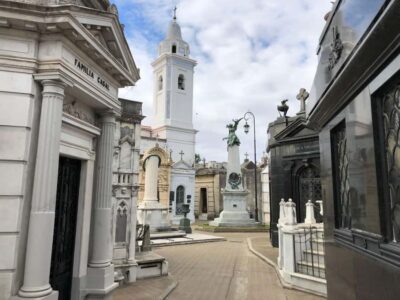

Buenos Aires Bike Tour: North Districts, Recoleta and Palermo
Read our review →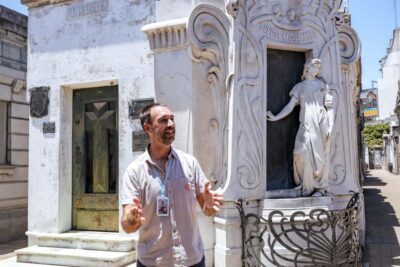
Recoleta Cemetery – Small Group Tour of History & Secrets
Read our review →

Cultural Experience by Bike around Palermo and Recoleta Max 6 ppl
Read our review →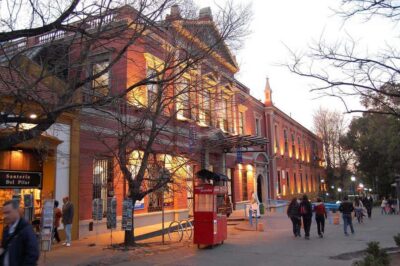

Full Day City Tour Buenos Aires, Recoleta Cemetery and Tigre
Read our review →Browse the lists this tour appears in