
Reviewed · ARGENTINA
Temaiken Biopark Entry Tickets
Temaiken Biopark brings a zoo, aquarium, botanical garden, and natural history museum together across 178 acres of parkland. The most unusual feature is its mix of local Argentine habitats with animal zones from Africa and Asia, so you can move from black yacarés and capybaras to tigers, lemurs, and sharks in one long day.
I like the native Argentine sections, which give the park a stronger sense of place than a zoo made only of imported animals. I also like the aquarium and bird collection, with nearly 2,500 birds from five continents. The main drawback is simple: the animals have room to move, so some enclosures may feel quiet when you visit, and you may spend time searching for animals rather than seeing them at once.
Key points to know before you go
- 178 acres to cover: Plan for a full day if you want more than a quick walk through the main zones.
- Argentine wildlife comes first: The Native, Mesopotamian, and Patagonia areas show local plants and animals alongside the international exhibits.
- Nearly 2,500 birds: The collection covers birds from five continents, making it one of the park’s major attractions.
- The aquarium adds variety: Tide pools, rivers, and shark tanks break up the outdoor animal areas.
- No transport is included: You must arrange your own way to Temaiken Biopark.
- Bring the correct ticket and ID: The local provider sends the entry ticket by email or WhatsApp, and the booking voucher itself is not valid for entry.
A full day among Argentine and world wildlife

Temaiken Biopark is not a compact city zoo that you can rush through in two hours. It is a broad, carefully arranged park where the distance between habitats is part of the experience. The eight-hour duration gives you time to see the main zones without treating every stop like a photo checkpoint.
I would plan this as a major day outing rather than a spare activity between Buenos Aires sights. You will spend much of the day walking through planted areas and animal habitats, with plenty to see in the Native Zone, Mesopotamian Fauna section, Patagonia Fauna area, African Zone, Asian Zone, and aquarium.
The park’s design also gives the day an educational purpose. Along with seeing animals, you learn about native species, different environments, and the need to protect wildlife and plant life. That makes the experience useful for families, people interested in conservation, and anyone who wants more context than a standard animal display provides.
The admission price is listed at $33 per person. For an eight-hour visit covering a zoo, aquarium, botanical garden, and museum of natural history and anthropology, that can be good value if you intend to spend most of the day inside. It is less attractive if you only want to see a few headline animals and leave after a short visit.
A few more things to do in Argentina worth a look
- Buenos Aires: Tickets to Boca Juniors Museum & Stadium
★ 4.5 · 581 reviews - Teatro Astor Piazzolla Skip-the-Line Ticket
★ 4.5 · 367 reviews - From Foz do Iguaçu: Brazilian Side of the Falls with Ticket
★ 4.6 · 346 reviews
Start with Buenos Aires province in the Native Zone
The Native Zone is the right place to understand what makes Temaiken different from a typical international zoo. It focuses on the flora and fauna of Buenos Aires Province, giving you a look at the region’s own natural character before the park moves on to Africa and Asia.
I like this approach because it puts local wildlife at the center. Argentina is not just a gateway to famous places farther south. Its nearby wetlands, grasslands, waterways, and native plant communities support animals worth knowing in their own right.
The botanical gardens add another layer here. You are not simply moving from cage to cage. The plantings help create a setting for the animals and give you a chance to pay attention to local plant life, too. If you enjoy gardens, this part may hold your interest even during a quiet animal encounter.
Black yacarés and capybaras in Mesopotamian Fauna
The Mesopotamian Fauna section focuses on animals associated with Argentina’s northeastern region. You can look for black yacarés and overos, tapirs, capybaras, lagoon turtles, and other wildlife linked to wetland environments.
The yacarés are especially useful for understanding how the park connects animals to their native habitats. The section is not just a parade of large mammals. Turtles and other water-loving species help show the wider web of life found around lagoons and rivers.
Capybaras are a familiar favorite, but it is worth giving the less famous animals time, too. Tapirs can be easy to miss if they are resting, and reptiles may blend into their surroundings. This is one place where patience matters. The park’s roomy habitats are better for animal welfare, but they can also mean fewer instant sightings.
A practical tip: do not judge the whole park by the first quiet enclosure. The natural setting is one of its strengths, yet it also creates the possibility of seeing fewer animals than you would in a more tightly arranged urban zoo.
Patagonia from the Andes to the Atlantic

The Patagonia Fauna area recreates environments that stretch from the Andes Mountain Range to the Atlantic coast. That wide geographic idea gives you a quick sense of how varied Patagonia is, even though the park presents it in one connected area.
I appreciate this section because it treats Patagonia as more than a single cold, empty place. The region includes mountains, open country, and coastal settings, each with its own plants and animals. The setting helps you connect species with the places where they live.
As with the Mesopotamian area, the value here is partly educational. You are seeing animals, but you are also being shown how habitat shapes animal life. If you arrive expecting a constant parade of large creatures, you may find the pace slow. If you enjoy natural settings and want to understand Argentina’s geography, it rewards a more careful walk.
Same base, a different kind of day out:
- El Calafate: Perito Moreno Glacier & Optional Boat Cruise
★ 4.7 · 2,586 reviews - Buenos Aires Hop-On Hop-Off Bus, Free Walking Tours & Discounts
★ 4.5 · 2,218 reviews - Buenos Aires: Piazzolla Tango Show with Optional Dinner
★ 4.4 · 2,122 reviews - Buenos Aires: City Highlights Guided Tour with Transfer
★ 4.7 · 1,946 reviews
African animals, from flamingos to hippos

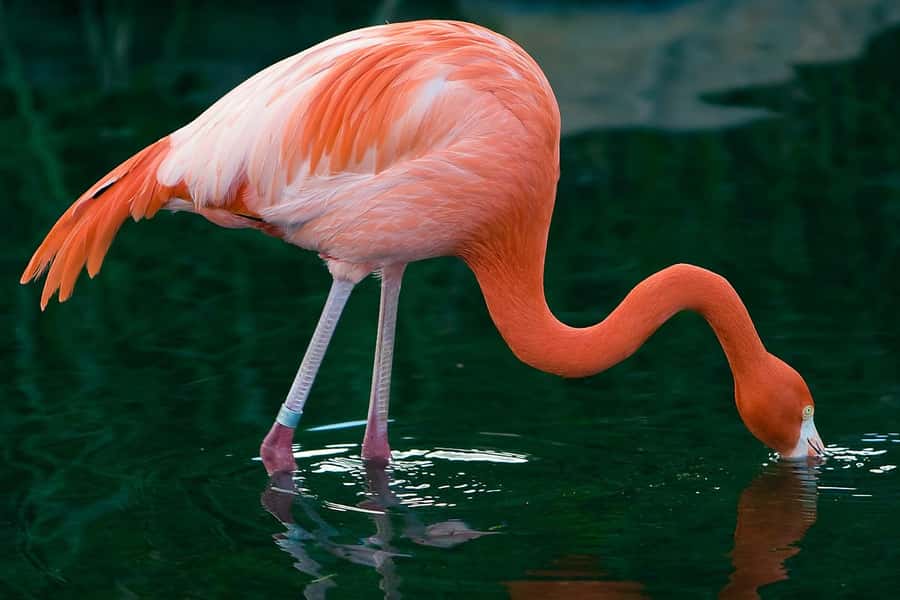
The African Zone shifts the tone of the day. Here you can look for flamingos, pelicans, antelopes, and meerkats, with three islands dedicated to lemurs, hippos, cheetahs, and zebras.
This is likely to be one of the most popular parts of the park, especially for families. Meerkats are small but engaging, while flamingos and pelicans give the area movement and color even when larger animals are resting. The islands create separate settings for the animals, rather than placing every species in one crowded display.
The hippos, cheetahs, and zebras are the headline animals, but you should allow time for the smaller creatures, too. A large animal may be out of sight, while a group of meerkats or a flock of birds is active nearby.
This zone also highlights the tradeoff at Temaiken. The park aims to give animals a more natural setting, which is a positive feature. Yet a natural setting does not guarantee a perfect view. You may need to pause, scan the habitat, and accept that some animals will not appear on schedule.
Tigers, bats, and flying foxes in the Asian Zone
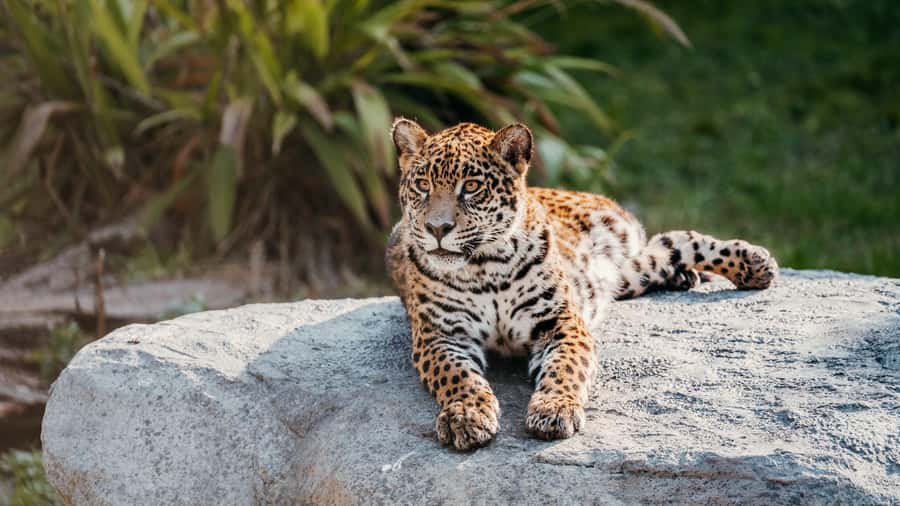
The Asian Zone brings together tigers, bats, flying foxes, squirrels, and other species. It offers a strong change from the open African areas, with smaller nocturnal or tree-dwelling animals sharing attention with one of the world’s best-known predators.
The bat and flying fox displays are a useful reminder that zoos can introduce you to animals that do not fit the usual big-cat checklist. They also add variety late in the day, when you may appreciate shorter stops and indoor or shaded areas.
Tigers are likely to draw the biggest crowd, but do not rush past the bats. Their behavior and appearance are quite different from the animals in the park’s open-air habitats. The Asian Zone works best when you allow the area to set its own pace instead of trying to collect every species in a hurry.
The aquarium is more than a rainy-day backup
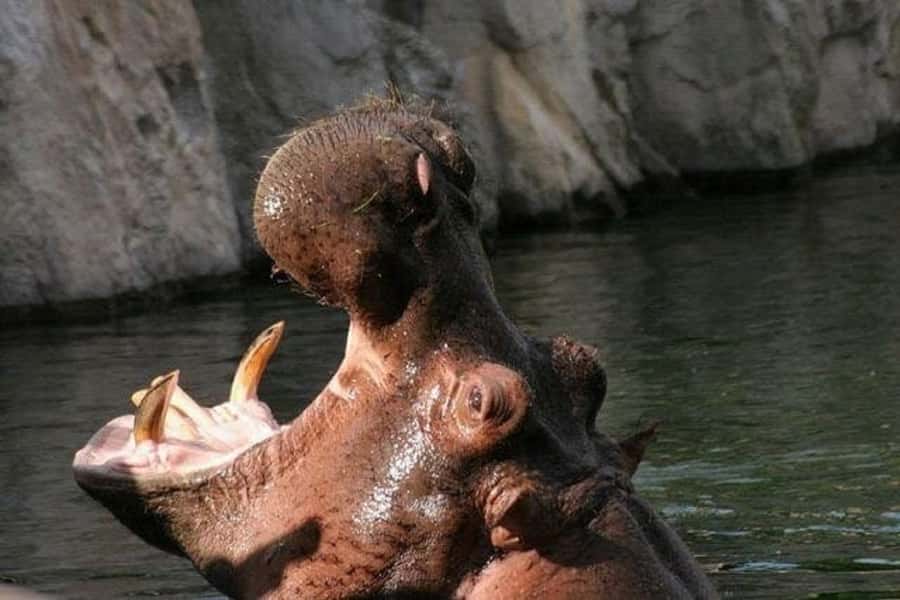
The aquarium is one of the strongest parts of the visit. It presents underwater life through tide pools, rivers, and shark tanks, giving you a change of pace after hours among outdoor habitats.
I especially like the way the aquarium broadens the park’s focus. You are not limited to land mammals and birds. Tide pools show the small-scale life found along the water’s edge, while river displays connect freshwater ecosystems to the animals you may have already seen in the Argentine sections.
The shark tanks provide the big finish. Watching sharks move through the water offers a different kind of animal encounter from seeing a tiger or zebra across a habitat. The aquarium is also a smart place to spend time if the outdoor sections feel quiet or you need a break from walking.
One practical point is worth noting: the aquarium has received some of the strongest positive attention in the available feedback, while the overall animal sightings have been less consistent for some people. If your main goal is aquatic life, this part may make the admission price feel more worthwhile.
Birds from five continents
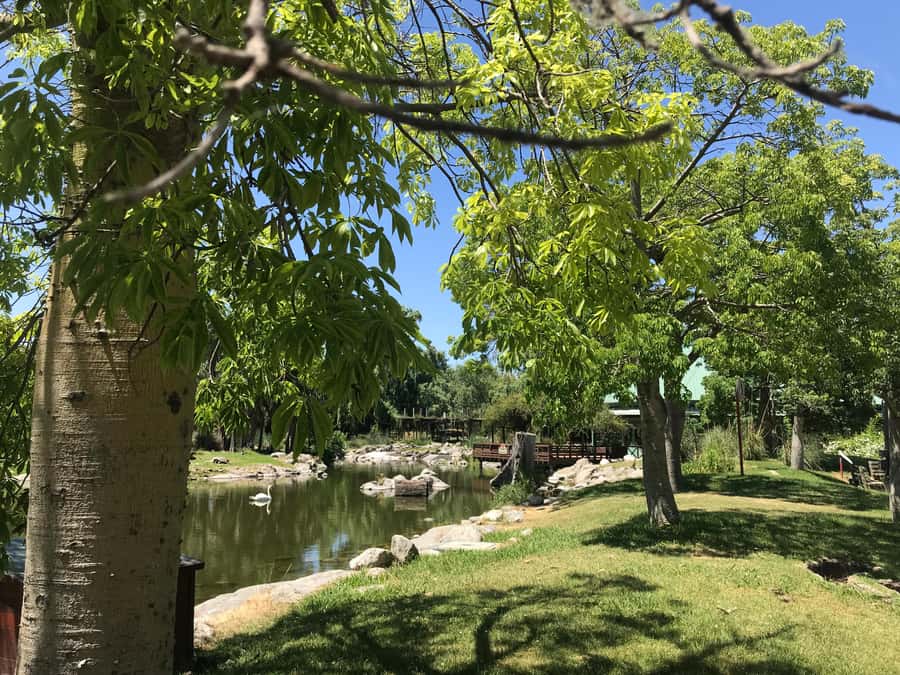
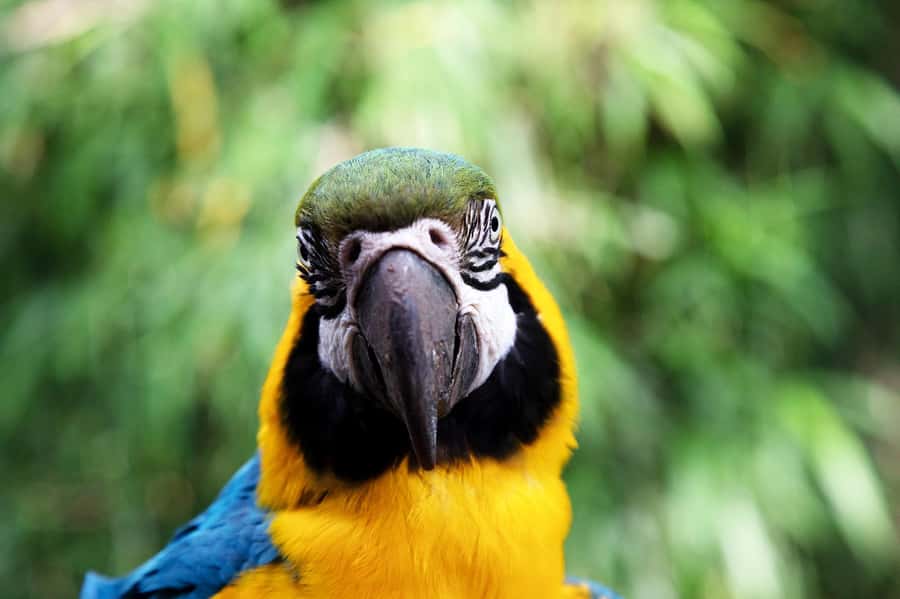
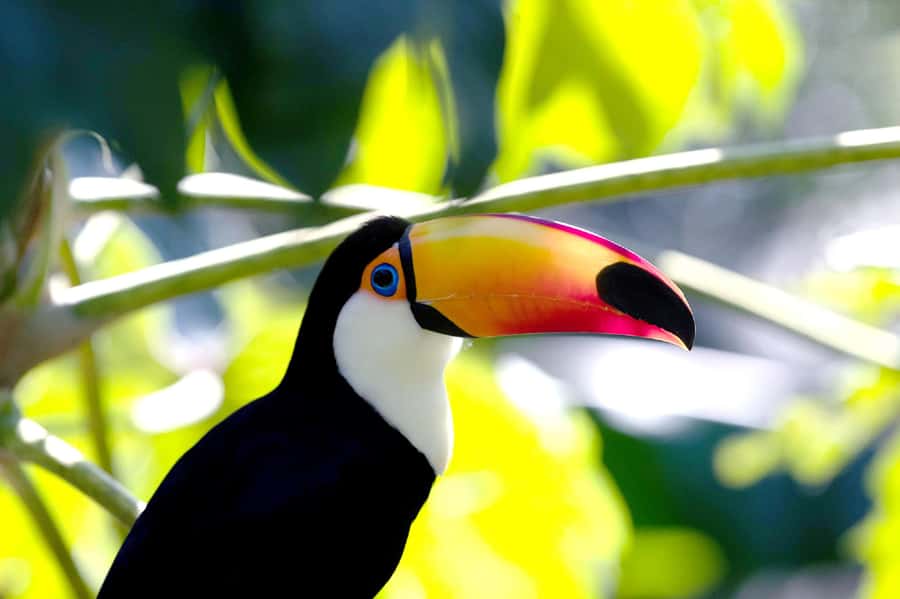
Temaiken’s bird collection includes nearly 2,500 birds from five continents. That is a major part of the park, not a small side display between the mammals.
The range gives you a chance to compare birds from very different environments. You may see flamingos and pelicans in the African area, then encounter other species elsewhere in the park. The collection helps show how birds occupy wetlands, open areas, forests, and other habitats.
Bird watching also makes the park’s natural design more rewarding. You are not relying only on large, obvious animals. Look upward, check the water, and take time near planted areas. Birds can be active even when a larger animal is hidden or resting.
If you are visiting with children, the bird areas can help keep the day varied. If you are an adult who enjoys natural history, the collection gives you a reason to slow down rather than treating the park as a simple checklist of famous animals.
What the eight-hour duration really means

The stated duration is eight hours, and that is a sensible amount of time for the park’s size. You do not have to spend exactly eight hours inside, but the day is designed for a substantial visit rather than a quick stop.
I would avoid filling the same day with several other fixed activities in Buenos Aires. The park combines enough zones and walking areas to take up most of your attention. A rushed visit would force you to skip either the regional habitats, international zones, aquarium, or botanical areas.
The large grounds can be both a pleasure and a challenge. You get a calmer setting and more space around the habitats, but you also need energy for walking. Wear practical shoes and bring your passport or ID card, which is required information for the booking.
There is no transport included. That matters when you compare the $33 ticket with the total cost of your day. Add your own transportation expenses and allow enough time to reach the park and return. The experience can still be good value, but the ticket price is only one part of the outing.
Ticket details that can save you trouble
The ticket process needs attention. After booking, the local provider sends the actual entry tickets by email or WhatsApp 24 hours before the activity. You need a printed voucher for entry, but the GetYourGuide voucher itself is not valid as the admission ticket.
That distinction is important. Do not assume the confirmation shown at the time of booking is all you need at the gate. Check your email and WhatsApp messages before leaving, print the proper ticket, and keep your passport or ID card with you.
There has been at least one serious complaint about tickets arriving at the last moment after considerable fuss. I would not leave this check until you are already on the way to the park. If the ticket has not arrived by the stated time, contact the provider promptly.
The overall rating is 4.5 from 81 reviews, with particularly positive feedback about the helpful staff. That is encouraging once you are inside, but it does not remove the need to handle the ticket instructions carefully.
The activity is wheelchair accessible. Free cancellation is available up to 24 hours in advance for a full refund, which gives you some useful flexibility if your Buenos Aires plans change.
Who will enjoy Temaiken most
I would recommend Temaiken to you if you enjoy spending most of a day outdoors, like seeing animals in spacious habitats, or want an outing that combines nature, science, and conservation.
It is a strong choice for families because the park offers constant variety: big cats, hippos, zebras, meerkats, birds, reptiles, aquarium tanks, and gardens. Adults interested in Argentine wildlife may appreciate the Native, Mesopotamian, and Patagonia areas more than a standard zoo visitor would.
The park may be less satisfying if your top priority is seeing a large number of animals quickly. Some habitats can feel empty when animals are resting or out of view. People used to compact city zoos may find the walking and searching less efficient.
Your expectations matter. Come for a full nature park with animal habitats, not a guaranteed parade of close-up sightings. The aquarium is a useful highlight, and the botanical setting gives the day more depth, but neither changes the fact that wildlife follows its own timetable.
Should you book Temaiken Biopark?
I would book this ticket if you can give the park most of a day and you value space, native Argentine wildlife, and variety. The combination of botanical gardens, regional habitats, international animal zones, birds, aquarium displays, and natural history gives you more than a standard zoo visit.
I would think twice if you have limited time in Buenos Aires, dislike long walks, or want guaranteed views of animals at every stop. The $33 price is fair for an eight-hour outing, but only if you use the full range of the park.
Before you go, confirm the actual ticket delivery, print the provider’s ticket, bring your ID, and arrange transport separately. With those details handled, Temaiken offers a thoughtful, family-friendly day that connects Argentina’s own wildlife with species from around the world.
FAQ
How long does a visit to Temaiken Biopark last?
The activity duration is listed as eight hours. You should plan for a full day because the park covers more than 178 acres and includes several animal zones, gardens, an aquarium, and a museum.
What does the admission ticket include?
The ticket includes admission to Temaiken Biopark. It does not include transport to or from the park.
How much does the ticket cost?
The listed price is $33 per person.
What animals can I see at the park?
The park includes tigers, hippos, cheetahs, zebras, bats, flying foxes, meerkats, lemurs, yacarés, tapirs, capybaras, lagoon turtles, flamingos, pelicans, antelopes, and many birds. The exact animals you see may vary during your visit.
Is Temaiken Biopark wheelchair accessible?
Yes. The activity is listed as wheelchair accessible.
What identification should I bring?
Bring your passport or ID card.
Is the booking voucher valid for entry?
No. The GetYourGuide voucher is not valid for entry. The local provider sends the actual tickets by email or WhatsApp 24 hours before the activity, and a printed ticket or voucher is required.
Just added in Argentina
- Buenos Aires: Speakeasy & Mixology Bar Tour with Cocktails★ 5.0 · 5 reviews
- Premium Empanadas Cooking Class & Wine Tasting Experience★ 4.9 · 35 reviews
- Buenos Aires: Small-Group Wine Tasting★ 4.8 · 18 reviews
- Buenos Aires: Rojo Tango Show with Optional Dinner★ 3.4 · 3 reviews
- Buenos Aires: Santa Susana Ranch Day Tour, BBQ & Shows★ 4.6 · 32 reviews
- Buenos Aires:Small Group Tour AM & Sunset Open Bar Cruise PM★ 4.5 · 15 reviews
- Buenos Aires: Private Photo Tour for Ammateur Photographers★ 4.9 · 5 reviews
- Buenos Aires: Private Recoleta Cemetery Walking Guided Tour★ 4.6 · 13 reviews