
Reviewed · TOURS IN BARILOCHE
OneWay Journey: from Bariloche, Argentina to Puerto Varas, Chile
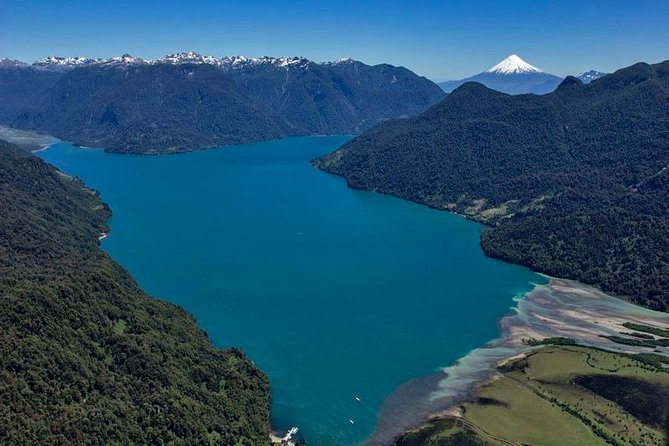
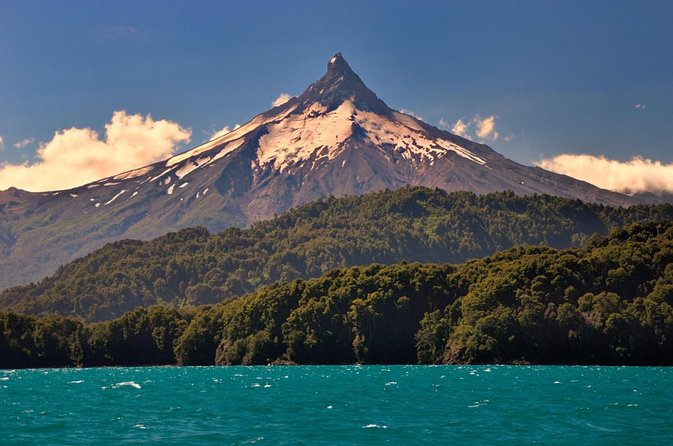
The best part of this trip is that the Andes crossing is not just a bus ride. You move by road, catamaran, road again, then catamaran again, following an old route through Argentina and Chile. The three lake crossings give the day its special character, with turquoise water, thick forest, and views toward Tronador, Osorno, and Puntiagudo.
I like that the tour takes care of the awkward pieces, including the border crossing, boat tickets, road transfers, and luggage. I also like the small maximum group of 14 people. The catch is the pace: about 12 hours with many changes, a late lunch, and some dull bus stretches. Confirm the final drop-off details before you go.
Key points to know before booking
- Three lakes, two countries: Cross Nahuel Huapi, Frías, and Todos los Santos by boat and connect them by road.
- A full-day transfer: The 8:00 am start and roughly 12-hour duration make this a serious travel day, not a relaxed excursion.
- The first lake is often the highlight: Nahuel Huapi offers the grandest views, wildlife, and the most rewarding early boat ride.
- Bring cash for extra charges: Puerto Pañuelo and park fees are not included, with a listed charge of US$3.50 or AR$500.
- Lunch comes late: The stop at Peulla may not happen until 2:30 or 3:00 pm, depending on border formalities.
- Pack for changing weather: Comfortable shoes, sunblock, sunglasses, and waterproof clothing all make sense.
Why this crossing is worth considering
The route links two of South America’s prettiest resort towns without sending you through a long inland border crossing. Bariloche sits inside Nahuel Huapi National Park, while Puerto Varas gives you access to the Chilean lake district, Puerto Montt, Frutillar, and views of volcanoes.
This is also a historic route. Indigenous people and the first settlers used these passes and waterways to move through Patagonia. You follow that basic pattern, although with modern buses, scheduled catamarans, and customs officers rather than pack animals.
I like the sense of movement. You do not simply sit in one vehicle and watch the scenery pass. You leave the bus at a port, board a boat, cross a lake, collect your bags, and continue by road. That variety keeps the day interesting, but it also explains why some people find the trip tiring.
The group limit of 14 is useful. A small group can move through customs and transfers more easily than a large coach party, and it gives you a better chance of hearing the guide. Commentary may not always be equally easy to follow, especially when the boat engines are running. If English is important to you, ask how commentary will be handled when you book.
Other trips people book in Bariloche:
- Bariloche: 7 Lakes & San Martin de Los Andes Road Trip
★ 4.5 · 624 reviews - Bariloche: Circuito Chico with optional Cerro Catedral
★ 4.5 · 316 reviews - Bariloche: German Immigration and History Walking Tour
★ 4.8 · 169 reviews
8:00 am in Bariloche and the road to Puerto Pañuelo
Your day begins in San Carlos de Bariloche, usually with hotel pickup. Bariloche is a lively base in Patagonia, known for its chocolate shops, civic center, restaurants, and access to Nahuel Huapi National Park. In winter it is a ski town; in warmer months, the lake and mountain setting take over.
The first transfer heads toward Puerto Pañuelo, about 25 kilometers from Bariloche. This is the port used for the first boat leg. The port fee is not included, and the listed charge is US$3.50 or AR$500, payable in cash. That small detail matters. Carry Argentine pesos and some US dollars rather than assuming a card will work.
The port itself is a working departure point, not a major sightseeing stop. Allow time for boarding and keep your passport and travel papers easy to reach. You will need them again later for the international crossing.
Cruising across Lago Nahuel Huapi
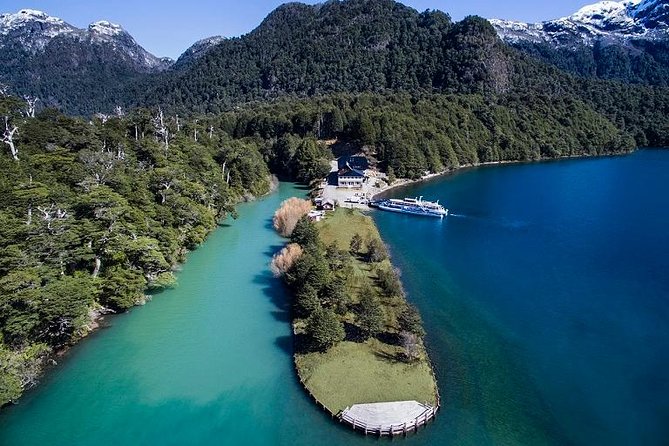
The crossing of Lago Nahuel Huapi is one of the strongest parts of the day. You have roughly two hours to watch the shores change from open water to forested slopes and mountain country. The lake is large enough to feel like a real passage, not just a short ferry ride.
Look for birds and wildlife around the shoreline. Condors, eagles, and deer are found in the area, though sightings are never guaranteed. Bring binoculars if you have them, and keep your camera ready for shifting light and wide views.
I would spend some time outside on deck, then retreat indoors if the wind picks up. Sunblock and sunglasses are useful even on a cool day. Waterproof clothing is also sensible because Patagonian weather can turn wet quickly, and the best views may come when clouds move across the peaks.
A practical point: this first boat ride often feels more scenic than the later sections. If the weather is clear, it gives you the broadest views and the most dramatic sense of crossing the Andes. If clouds settle in, the trip can still be enjoyable, but you should not pay this price expecting guaranteed mountain panoramas.
Puerto Blest, the Frías River, and the short crossing at Puerto Frías
After Nahuel Huapi, the route shifts into a series of shorter connections. The water from the Frías River meets the blue-green water of Nahuel Huapi near a forested section of the route. This is where the scenery becomes more enclosed, with native woodland and the cold Valdivian Forest.
The Valdivian Forest is notable for its cool, wet climate and dense vegetation. You do not need a long walk to appreciate it. Much of the appeal comes from seeing how quickly the scenery changes as the route leaves the open lake and enters a more sheltered corridor.
At Puerto Frías, you reach Lago Frías, the smallest of the three lakes. Its green-turquoise color comes from glacial meltwater. This is also where Argentine and Chilean border procedures take place.
Expect the border formalities to affect the schedule. The published stop is only about 20 minutes, but the full process can take longer. Keep your passport available, do not pack essential documents inside your checked suitcase, and be patient if lunch is pushed back.
This is one of the less relaxed parts of the crossing. You may need to get on and off vehicles with your luggage, wait while documents are checked, and follow instructions from the guide. That is the price of using a complicated international route in one day.
Same base, a different kind of day out:
- San Martín de los Andes por 7 Lagos
★ 4.4 · 155 reviews - Circuito Chico
★ 4.5 · 146 reviews - Bariloche Small Circuit: Mt Campanario and Llao Llao Peninsula
★ 4.0 · 142 reviews - Fly Fishing Trips in Bariloche
★ 5.0 · 137 reviews
Peulla and the late lunch stop
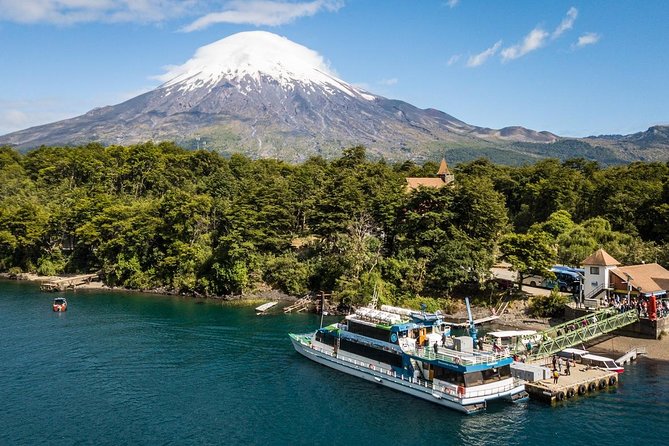
Peulla is a small Chilean settlement and the main meal stop. It has been recognized as a sustainable location, and its setting gives you a short break from the repeated boat and bus changes.
Lunch costs about US$25 per person and is not included. The stop can come late, often around 2:30 or 3:00 pm, depending on the border crossing. I strongly suggest carrying snacks, especially if you do not want to pay for the available meal or if you need food earlier.
Peulla is not the place for a leisurely restaurant afternoon. You are there because the route needs a road connection, and the schedule must keep moving toward Puerto Varas. Still, the pause helps. After the early start and the first lake crossing, you will appreciate somewhere to sit, eat, and reorganize your luggage.
The lunch timing is one of the clearest drawbacks for families, anyone with dietary needs, or anyone who dislikes eating late. Food and drinks are not included anywhere in the tour, so plan ahead.
Lago Todos los Santos and the final catamaran ride
The second major boat crossing in Chile takes you across Lago Todos los Santos. The water is known for its emerald color, and forested hills surround the route. The ride lasts about two hours.
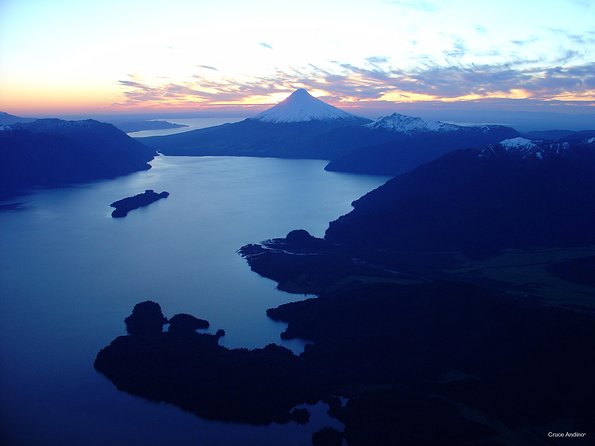
From the catamaran, you may see waterfalls and three snowy peaks: Mount Tronador, Osorno Volcano, and Puntiagudo. These are the views that can make the long day feel worthwhile. Clear weather is important here. In rain or heavy cloud, the lake remains attractive, but the volcanoes may disappear.
Some people find this section quieter and less dramatic than Nahuel Huapi. That is worth knowing before you book. The Andes crossing is not a nonstop sequence of spectacular viewpoints. It alternates between excellent water scenery, ordinary road travel, customs delays, and stretches where you simply need to rest.
Keep your expectations flexible. On a clear day, you may spend much of this crossing outside with your camera. In poor weather, the covered areas and boat accommodations let you stay dry, but visibility can be limited.
Arriving in Puerto Varas after a long day
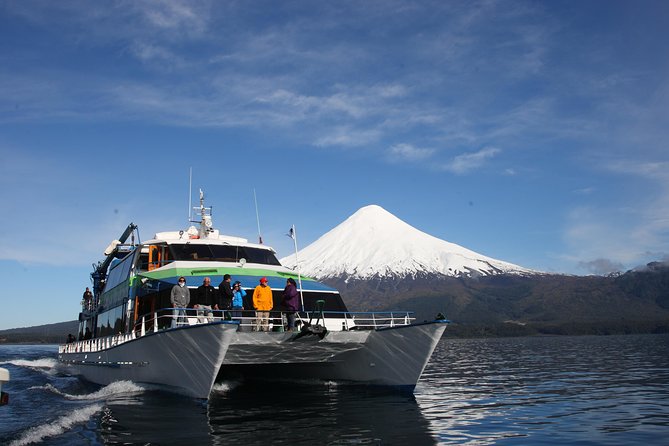
Puerto Varas is the final destination, near Puerto Montt. It is a useful base for exploring Chile’s lake district, with Frutillar nearby and views toward Osorno and Calbuco volcanoes.
You arrive after a demanding day, so do not schedule a complicated evening connection. The tour does not include a hotel stay in Puerto Varas, and you must arrange your own accommodation. If you are continuing onward, check your booking carefully and allow room for delays at the border.
Hotel pickup and drop-off are advertised as included, but the final drop-off deserves special attention. At least one passenger was left carrying luggage across town and uphill instead of being taken directly to the stated hotel location. I would confirm the exact end point with Cruce Andino before departure, especially if you have heavy bags or a hotel outside the central area.
The luggage allowance is one suitcase up to 23 kilograms and one carry-on up to 10 kilograms. That is generous enough for a normal trip, but you still need to handle your bags during the transfers.
What the $347 price really buys you
At $347 per person, this is an expensive transfer. You are paying for more than transportation from one town to another. The price covers the driver-guide, road transfers, lake crossings, and the convenience of moving through two countries without arranging several separate tickets.
That convenience has real value. Booking the buses and boats independently would require careful timing, border knowledge, and a plan for luggage. Here, the route is packaged into one coordinated day, with a maximum group size of 14.
Still, the value depends on your travel style. If you enjoy scenic transport and want to cross the Andes by water, the cost may feel fair. If you mainly need to reach Chile quickly, a flight may be less tiring and possibly more practical. A separate day trip from Bariloche, followed by another way to Chile, may also suit you better if Nahuel Huapi is your main goal.
Remember the extras. Park and port charges are excluded, lunch is extra, drinks are extra, and your stay in Puerto Varas is not covered. Budget for those costs before deciding.
The people who will enjoy this most
I would recommend this crossing to you if you value the journey as much as the destination. It suits photographers, fans of scenic rail-and-boat style travel, and anyone who wants a memorable border crossing rather than a quick transfer.
It also works well for people who are comfortable with a long day and repeated changes. You should be able to walk between vehicles, manage your luggage, and cope with a late meal.
I would hesitate to recommend it if you dislike boats, buses, customs queues, or fixed schedules. The day has many starts and stops. Some road sections are simply necessary transport, and the scenery will not be equally strong from beginning to end.
The experience can work in rain, but clear weather makes a big difference. On wet days, you can still enjoy the boats and forest, but the snowy peaks may be hidden.
Booking details and useful preparation
Confirmation is provided when you book, and passport name, number, expiry date, and country are required for every person. Enter these details carefully because the trip crosses an international border.
The tour starts at 8:00 am and lasts about 12 hours. Free cancellation is available if you cancel at least 24 hours before the local start time. Changes or cancellations inside that window are not accepted for a refund.
Pack the following:
- Passport and border documents in an easy-to-reach place
- Small cash for the port and park charges
- Snacks for the late lunch schedule
- Sunblock and sunglasses
- Comfortable shoes
- Waterproof clothing
- Binoculars and a camera, if you enjoy wildlife and mountain views
Should you book the Bariloche to Puerto Varas crossing?
Book it if you want the Andean crossing itself to be part of your holiday. The boat rides, glacial lakes, forests, and volcano views create a distinctive way to move between Argentina and Chile. The first Nahuel Huapi crossing is especially appealing, and the small group plus included transfers remove much of the planning work.
Skip it if you want speed, a cheap transfer, or a relaxed day with plenty of free time. At $347, plus food and fees, this is a premium scenic connection. Confirm hotel drop-off, prepare for a late lunch, and accept that weather may hide the mountains. With those limits understood, this is a memorable route for the right kind of passenger.
FAQ
How long does the Bariloche to Puerto Varas crossing take?
The experience lasts approximately 12 hours and begins at 8:00 am.
How many lakes do you cross?
You cross Lago Nahuel Huapi, Lago Frías, and Lago Todos los Santos.
Does the tour include hotel pickup and drop-off?
Hotel pickup and drop-off are included, but you should confirm the exact final drop-off point before departure.
What transportation is used?
The route combines road transfers with lake crossings by boat or catamaran.
Is lunch included?
No. Lunch in Peulla costs about US$25 per person and is not included. The meal stop may occur around 2:30 or 3:00 pm, depending on border formalities.
Are port and park fees included?
No. The listed Puerto Pañuelo and Nahuel Huapi National Park charge is US$3.50 or AR$500, payable in cash. Fees can change according to local authorities.
How much luggage can I bring?
The included allowance is one suitcase up to 23 kilograms and one carry-on up to 10 kilograms.
Do I need passport details to book?
Yes. The passport name, number, expiry date, and country are required for every participant.
What should I wear and bring?
Bring comfortable shoes, waterproof clothing, sunblock, and sunglasses. Binoculars and a camera are also useful for the lakes, wildlife, and mountain views.
Just added in Bariloche
- Road of the Seven Lakes from San Martin de los Andes★ 4.5 · 32 reviews
- Kayak paddling adventure around Bariloche★ 5.0 · 49 reviews
- Full Day Cerro Tronador: Eternal Snow and Hanging Glaciers★ 4.5 · 43 reviews
- 10 Secrets of Bariloche, Nahuel Huapi, and Patagonia★ 5.0 · 46 reviews
- Half a day of kayaking on the Nahuel Huapi lake in private service★ 5.0 · 53 reviews
- Navigation through Isla Victoria and Bosque de Arrayanes★ 4.4 · 9 reviews
- From Bariloche: San Martin de los Andes and 7 Lakes Circuit★ 4.6 · 22 reviews
- From Bariloche: Half-Day Circuito Chico Sightseeing Tour★ 4.3 · 9 reviews
Tours in Bariloche, compared.
Bariloche Small Circuit: Mt Campanario and Llao Llao Peninsula
Read our review →
Browse the lists this tour appears in