
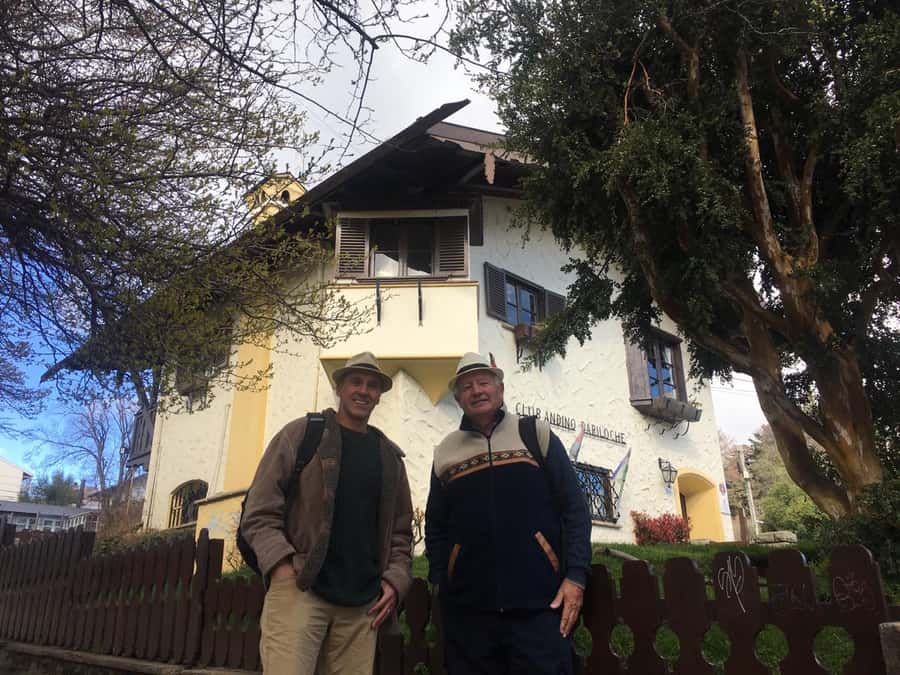
Reviewed · WALKING TOURS
Bariloche: German Immigration and History Walking Tour
Bariloche’s German connection is more complicated than its chocolate shops, chalet-style buildings, and Alpine look suggest. This 90-minute walk follows three waves of German immigration, ending with the difficult story of Nazi fugitives in Patagonia and the 1994 discovery of Erich Priebke.
I like the way the tour ties history to real places, especially the German School and Priebke’s former home. I also like the guide-led storytelling. Diego, the guide most often named for this experience, uses old photographs, cliffhangers, and frequent stops to keep the story moving. The main catch is the route: it is only 1 kilometer, but parts of it are uphill, and a bilingual tour can leave less time for questions.
Key points to know before booking
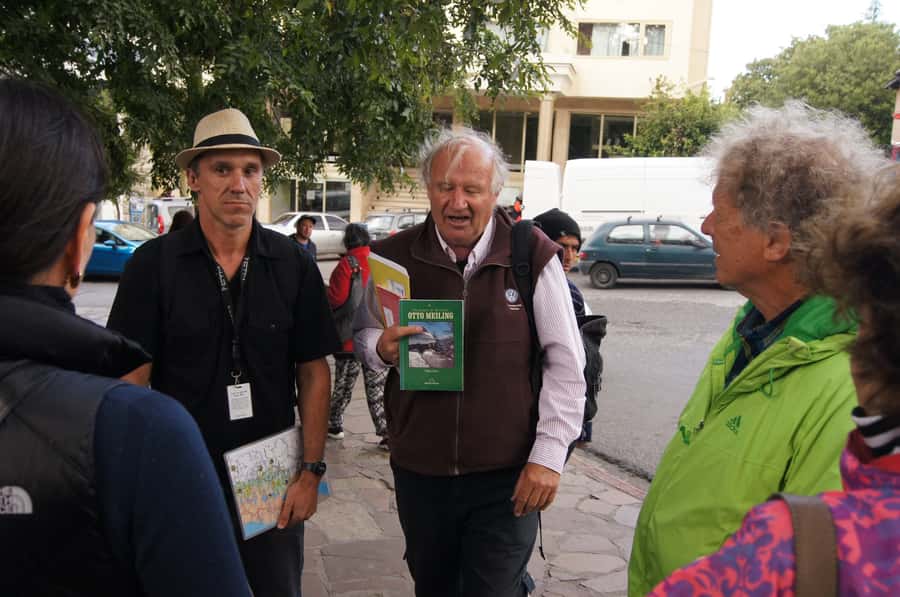
- Three distinct immigration waves: The walk separates early German settlers, later arrivals, and the postwar Nazi presence instead of treating them as one story.
- A real local setting: You move from the Civic Center through the German neighborhood, with buildings and public places serving as the guide’s evidence.
- Erich Priebke’s Bariloche connection: See the school where American journalist Sam Donaldson intercepted him and the house where he lived before extradition in 1994.
- Strong bilingual guiding: Tours are offered in English and Spanish, with Diego often praised for clear English and an engaging presentation.
- A short but hilly route: The walk covers about 1 kilometer and takes 90 minutes, but the route is not entirely flat.
- Useful for history-minded visitors: It gives you context for Bariloche’s architecture, culture, and long-running stories about German presence in Patagonia.
Starting at Bariloche’s Civic Center
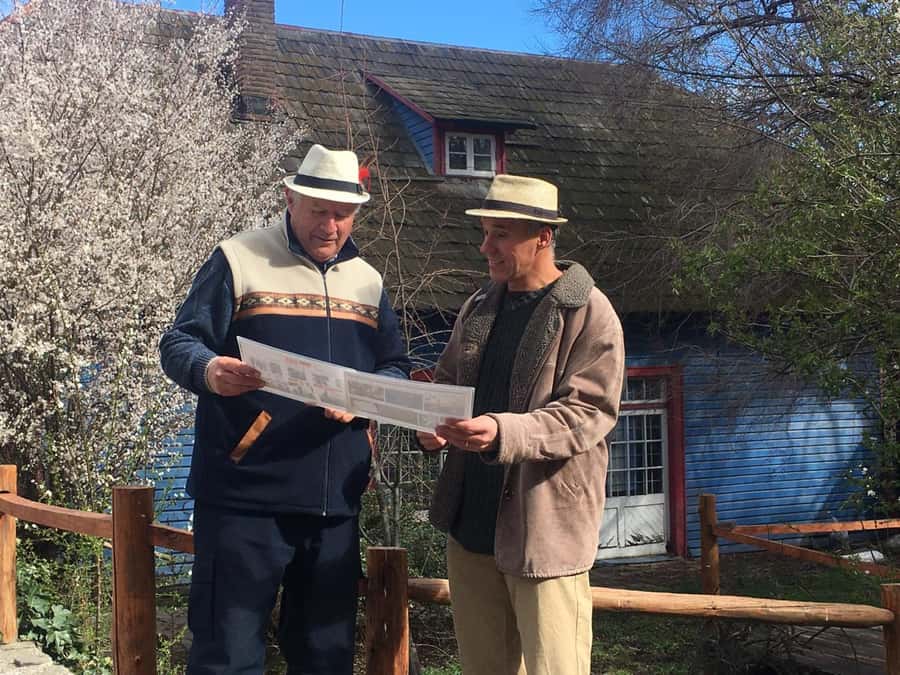
Meet by the tourist information office in the Bariloche Civic Center square. This is a useful starting point because the Civic Center is more than a place to take the standard Bariloche photograph. It is one of the first stops used to explain how the city presents its European and German-influenced identity.
The tour does not begin with a long lecture in one spot. Instead, the guide uses the Civic Center as the first piece of a moving story. You hear how German immigration developed over time, then walk to places that help make those broad dates and names easier to understand.
That method matters. A talk about immigration can turn into a blur of surnames, wars, and political events. Here, the guide keeps changing location, so you get a fresh visual reference every few minutes. Diego is often praised for using old photographs alongside the streets and buildings in front of you, helping you compare Bariloche then and now.
Expect the opening section to provide basic background on Bariloche’s founding and the German influence on local culture. It is not just a tour of attractive buildings. The point is to ask why those buildings look the way they do, who helped shape the town, and how later events changed the meaning of that German connection.
Other guided walks in Bariloche:
- Buenos Aires Hop-On Hop-Off Bus, Free Walking Tours & Discounts
★ 4.5 · 2,218 reviews - Buenos Aires: La Boca Guided Walking Tour in English
★ 4.8 · 1,587 reviews - Nazis in Buenos Aires: a historical walking tour
★ 4.9 · 193 reviews
Three waves, not one German story
The strongest idea on this walk is the division into three main waves of German immigration. That structure keeps the history from becoming too simple.
The first waves are connected with the development of German communities in Argentina and Bariloche. The tour places these arrivals within the wider growth of the town and its institutions. You will hear how the German presence became part of the city’s public life, architecture, education, and outdoor culture.
A later wave carries the story into the postwar period and the arrival of Nazi officers and sympathizers. This is where the subject becomes more sensitive. The tour does not treat every German-speaking resident as part of the same political movement. Instead, it separates ordinary immigration and community life from the darker chapter that followed the Second World War.
That distinction is one reason I find the experience useful. Bariloche’s chalet-style architecture and German traditions can tempt you into a quick explanation: German influence equals Nazi history. The tour challenges that shortcut. It gives you a way to understand the earlier communities while also examining the people who came later under very different circumstances.
The guide also addresses the difference between documented events and stories that grew around German activity in Patagonia. That final distinction is important because Bariloche attracts plenty of dramatic theories. You get room to consider what is supported, what is repeated, and what remains speculation.
The Andean Club and National Park administration
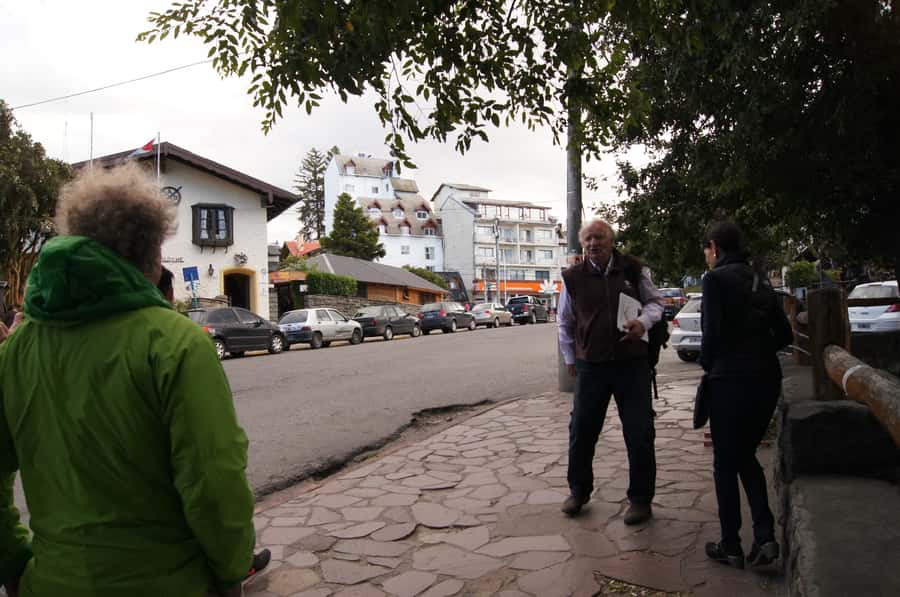
The route includes the Bariloche Andean Club and the Nahuel Huapi National Park administration. These stops broaden the story beyond private homes and schools.
The Andean Club helps connect German influence with the outdoor culture for which Bariloche is now famous. The National Park administration brings in the role of public institutions and the way the town developed around Nahuel Huapi. The guide uses these sites as representative places, so you are not simply walking through a residential area looking at façades.
For you, this is one of the tour’s better features. It shows that immigration history is not only about where people came from. It is also about the institutions they built, joined, or helped shape. You begin to see Bariloche as a town formed by several overlapping identities rather than a single imported style.
The stops are brief, with the guide explaining the significance before the group moves on. That keeps the pace lively, though anyone who wants a formal architectural tour may find the building details secondary to the larger historical story.
The German School and the Priebke story
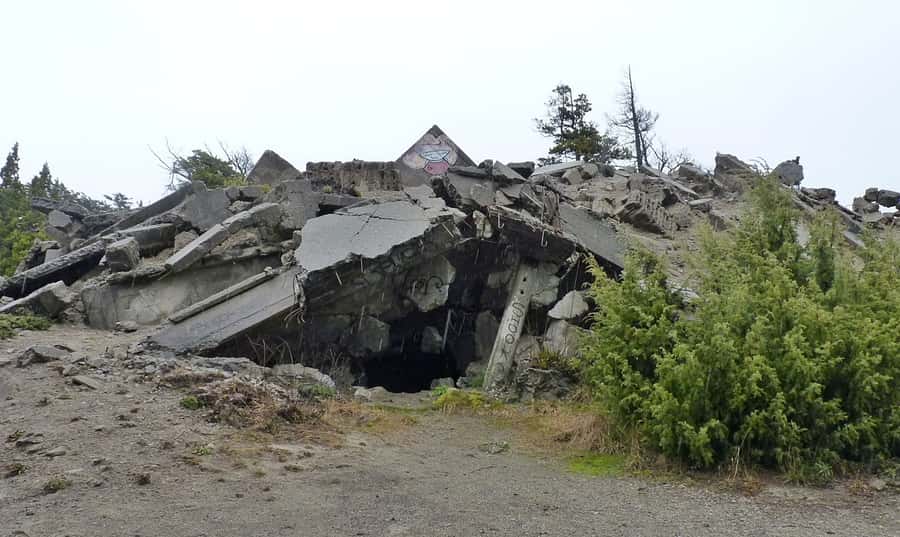
The German School is one of the most striking stops because it links a familiar institution with a difficult modern event. This is the place associated with Sam Donaldson’s interception of Erich Priebke, whose presence in Bariloche became an international story.
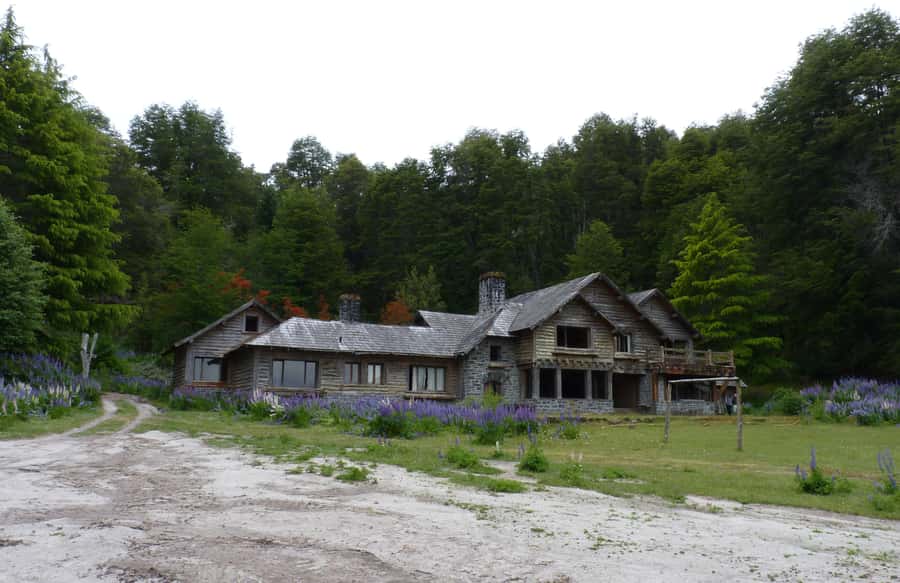
The tour then continues to the house where Priebke lived before he was extradited in 1994. Seeing both locations gives the story a clear physical shape. Instead of hearing only about a distant figure in a history book, you can connect his life in Bariloche to the streets and buildings around you.
The guide handles this section as part of the larger story of the third immigration wave, the Nazi presence after the war. The subject is serious, but the presentation is designed to remain accessible. Diego is often described as a storyteller who leaves a question hanging before the next stop, then answers it as the group moves along.
That pacing works particularly well here. You are given enough information to understand why Priebke mattered, how his presence was discovered, and why the 1994 extradition became significant. At the same time, the tour does not suggest that one man explains all German history in Bariloche.
You should expect questions about other Nazi officers who escaped to Argentina after the war. The guide also discusses claims about German networks and activity in Patagonia, then closes by examining the theories surrounding them. If you have already watched documentaries or read about these subjects, the discussion can help separate the dramatic version from the better-supported account.
A few more things to do in Bariloche worth a look
- Indigenous People of Patagonia History Tour
★ 5.0 · 8 reviews - Maria Fumaça – Wines and History
★ 4.0 · 242 reviews - San Telmo: Historical Guided Tour with Street Food & Drinks
★ 5.0 · 87 reviews - Buenos Aires: La Boca Art and History Walking Tour
★ 4.8 · 55 reviews
Belgrano Square and the German neighborhood
Belgrano Square is another useful stop because it shifts the focus back toward the city itself. The route through the German neighborhood lets you see different house styles and notice how German origins were expressed in Bariloche’s built environment.
Do not expect a museum interior or a series of preserved historic rooms. This is a street-based tour, and the buildings are viewed from outside. That limits the amount of detail the guide can provide about individual homes, but it also keeps the experience connected to daily life in the city.
The German neighborhood section is where the tour may have the greatest value for first-time visitors. I like any history walk that changes how you see a place after it ends. Once you understand the three waves, a house or public building can raise better questions: Was this linked to an early German community? Does the style reflect a later period? Is the connection documented, or is it part of local folklore?
The route is short, but it is not a flat stroll. One person specifically noted that much of the area is uphill. If you are comfortable walking around central Bariloche, this should be manageable, but wear sensible shoes and do not treat the stated 1 kilometer as a guarantee of an effortless walk.
A guide-led story rather than a standard city walk
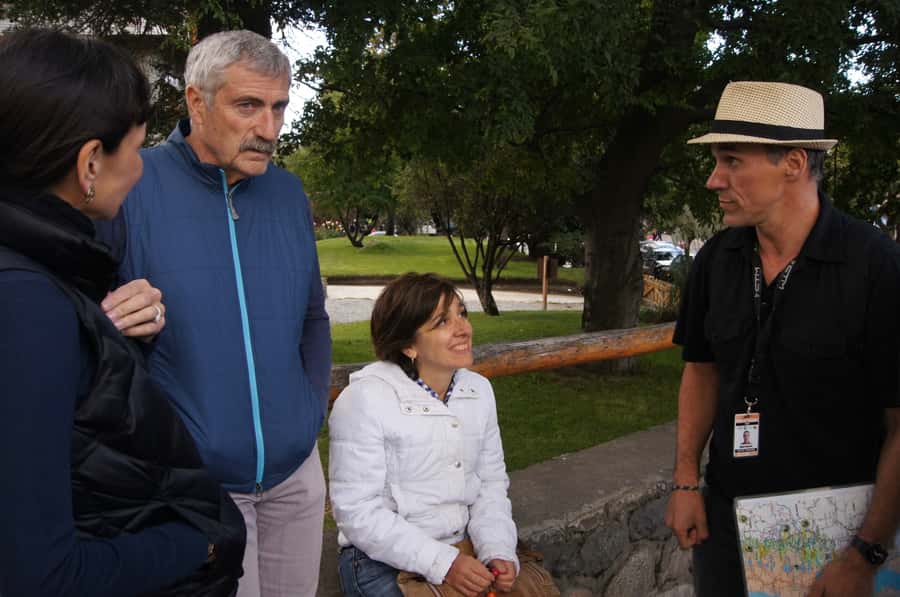
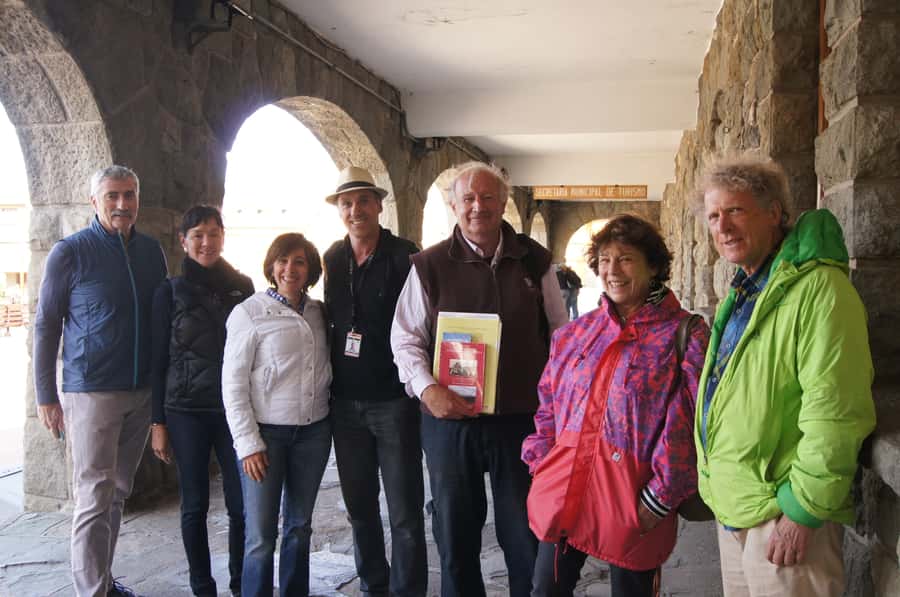
The guide is central to the experience. Diego is the name most often associated with the tour, and he is described as speaking English fluently while also leading in Spanish. Other feedback names Pedro, so the exact guide may vary by departure.
What you can reasonably expect is a live guide who answers questions, uses visual material, and explains the subject in both languages when needed. Diego’s style is frequently described as organized, friendly, and entertaining. He is also known for keeping a large group involved, which matters because history walks can become hard to follow when the crowd grows.
The bilingual format has one drawback. If English and Spanish are both used during the same departure, the tour can take longer to deliver each point, leaving less time for questions. One participant felt this reduced the question period, while another said the guide stayed after the scheduled finish. That means the amount of discussion may depend on the group and the guide’s timing.
The 90-minute length is generally well judged. You get a clear introduction, several location-based stops, and a final discussion without giving up an entire afternoon. The tour may run slightly over its scheduled time, but you should not count on that if you have a restaurant booking or another activity immediately afterward.
What the $41 price gets you
At $41 per person, this is not the cheapest way to spend 90 minutes in Bariloche. You are paying for a guide-led interpretation of a subject that is difficult to piece together from casual sightseeing.
The value is strongest if you want context rather than a checklist of sights. The Civic Center, Belgrano Square, the Andean Club, and the German School can all be seen independently. What you cannot easily recreate on your own is the sequence linking the three immigration waves, the architecture, Priebke’s story, and the myths about German activity in Patagonia.
I would consider the price fair for visitors with a strong interest in history, World War II, migration, or Bariloche’s cultural identity. It is less compelling if you mainly want scenic views, shopping, or a general introduction to the city. This is not a broad sightseeing tour, and its subject is specific.
The experience also works well between outdoor activities. Bariloche is famous for its lakes, mountains, and other open-air pursuits, but this walk gives you a town-centered afternoon activity. You come away with a clearer sense of the city rather than another view from outside it.
Who will enjoy this walk most
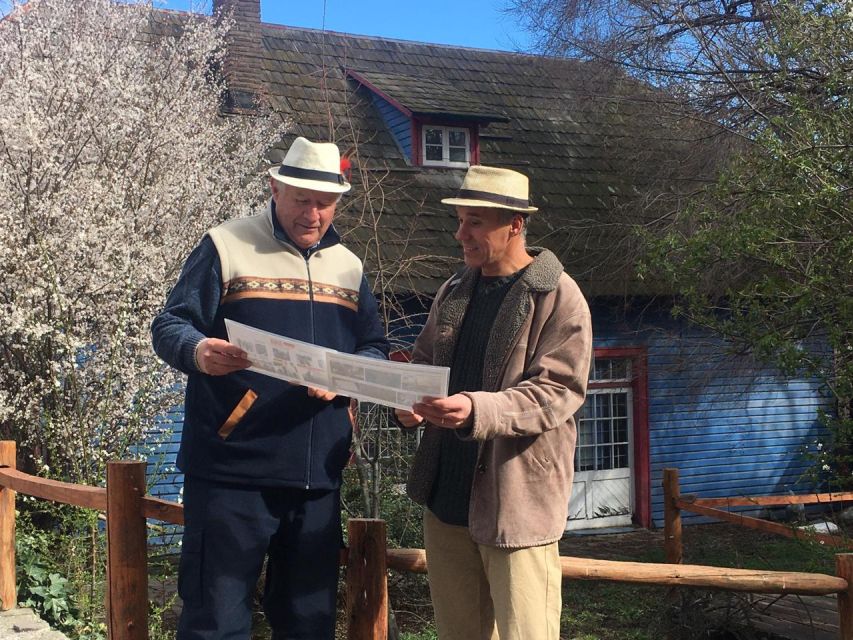
I would choose this tour if you like history explained through places. It suits visitors who want to understand why Bariloche has a German feel and who are willing to spend time on a complicated subject without reducing it to a simple Nazi escape story.
It is also a good choice for:
- People interested in immigration and diaspora history
- Visitors curious about Bariloche’s architecture and institutions
- Anyone who has heard stories about Nazi fugitives in Patagonia
- English or Spanish speakers who want a live bilingual guide
- Visitors looking for a short activity between longer excursions
- Travelers who enjoy asking questions and discussing historical claims
I would think twice if hills are a serious problem for you, or if you prefer a tour with indoor access and original objects. The route is outdoors, the buildings are viewed from the street, and the main reward comes from the guide’s explanation.
Bring comfortable shoes and allow enough time to reach the Civic Center meeting point by the tourist information office. Since the tour starts in a public square and continues through city streets, clear weather will make the experience more comfortable, though the activity details do not promise any weather-specific arrangements.
My verdict on the Bariloche German history tour
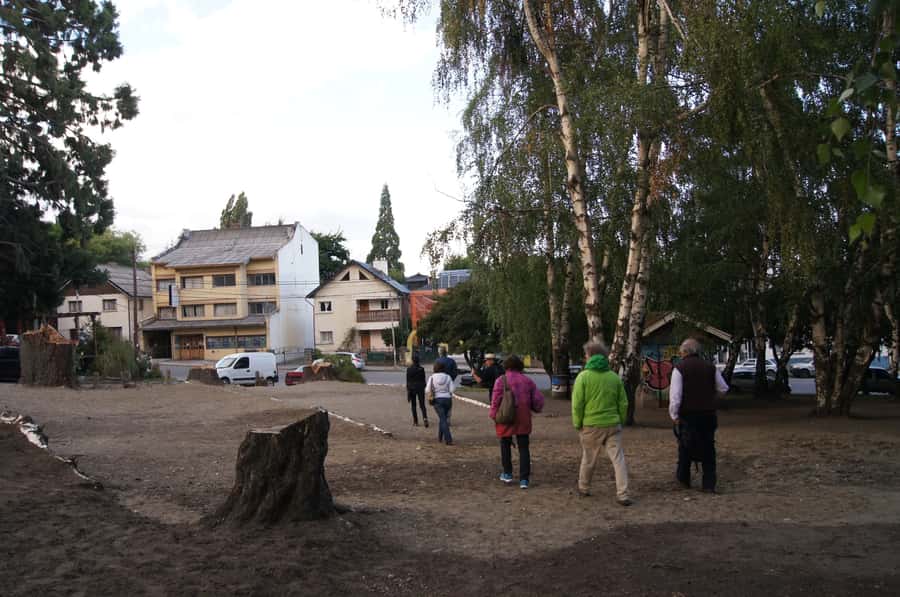
You should book this walk if you want to understand the forces behind Bariloche’s German identity, not just photograph its European-looking buildings. The tour’s best feature is its structure: three immigration waves, real locations, a carefully handled Priebke story, and a final discussion of fact versus myth.
The $41 price is justified by a strong guide and a subject that benefits from explanation. Diego’s storytelling, clear English, visual material, and willingness to answer questions add much of the value. Just remember that the route includes uphill streets and that a bilingual departure may leave limited time for discussion.
If you are interested in history, I would make this one of your first activities in Bariloche. It will give you a sharper lens for the rest of your stay. If you want only a general city orientation or a relaxed flat walk, choose something else.
FAQ
Where does the tour begin?
It begins in Bariloche Civic Center square, by the door of the tourist information office.
How long is the walking tour?
The tour lasts 90 minutes.
How far do you walk?
The route covers approximately 1 kilometer.
Is the route uphill?
Yes. Parts of the route are uphill, so comfortable walking shoes are useful.
Which languages are offered?
The tour is offered in Spanish and English.
Who usually guides the tour?
Diego is the guide most often associated with the experience. One supplied comment names Pedro, so the guide may vary by departure.
What places do you visit?
The route includes the Civic Center, the Bariloche Andean Club, the Nahuel Huapi National Park administration, the German School, Belgrano Square, the German neighborhood, and the house where Erich Priebke lived.
Does the tour discuss Erich Priebke?
Yes. It visits the school where Sam Donaldson intercepted him and the house where Priebke lived before his extradition in 1994.
Does the tour explain the German immigration story?
Yes. The guide explains the three main waves of German immigration to Argentina and Bariloche, including the later Nazi presence.
Can you cancel the booking?
You can cancel up to 24 hours in advance for a full refund. The activity also allows you to reserve now and pay later.
Just added in Bariloche
- Bariloche: Victoria Island and Arrayanes Forest Navigation★ 3.4 · 7 reviews
- Bariloche: Tour to Circuito Chico + Optional: Arrayanes★ 4.2 · 3 reviews
- Bariloche: Half Day Kayak to Nahuel Huapi or Moreno Lakes★ 5.0 · 15 reviews
- Bariloche “Small Circuit” with Chairlift Campanario Hill★ 5.0 · 5 reviews
- Indigenous People of Patagonia History Tour★ 5.0 · 8 reviews
- Bariloche: Guided horseback rides in the Patagonian steppe★ 5.0 · 7 reviews
- San Martin de los Andes along the Route of the 7 Lakes★ 4.5 · 20 reviews
- Bariloche: Puerto Blest and Cascada de los Cántaros (Waterfall of the Cantaros)★ 3.1 · 5 reviews
Walking Tours, compared.
Nazis in Buenos Aires: a historical walking tour
Read our review →
La Docta Free Walking Tour “Córdoba La Antigua”.
Read our review →
Buenos Aires Walking Tour with Local Guide and Optional Rooftop
Read our review →
Browse the lists this tour appears in