
Reviewed · RECOLETA CEMETERY TOURS
Buenos Aires: Chacarita, The Largest Cemetery In Argentina
Chacarita Cemetery is not just a place for mourning. It is a vast outdoor gallery of mausoleums, statues, chapels, and national memory, where Carlos Gardel’s tomb draws tango fans and Gustavo Cerati’s resting place brings Argentina’s rock generation into the picture. The tour connects famous names with the city that shaped them.
I like the small group size, limited to six, and I like the guide Miguel’s patient, personal style. He speaks Spanish and can slow down for learners, a useful touch if you understand Spanish but need time to follow a historical explanation.
The main drawback is the walking. Three hours on cemetery paths and paved areas is a lot, and the tour is not suitable for wheelchair users or people with mobility impairments. Bring water, sunscreen, a hat, and shoes made for walking.
Key points to know before you go
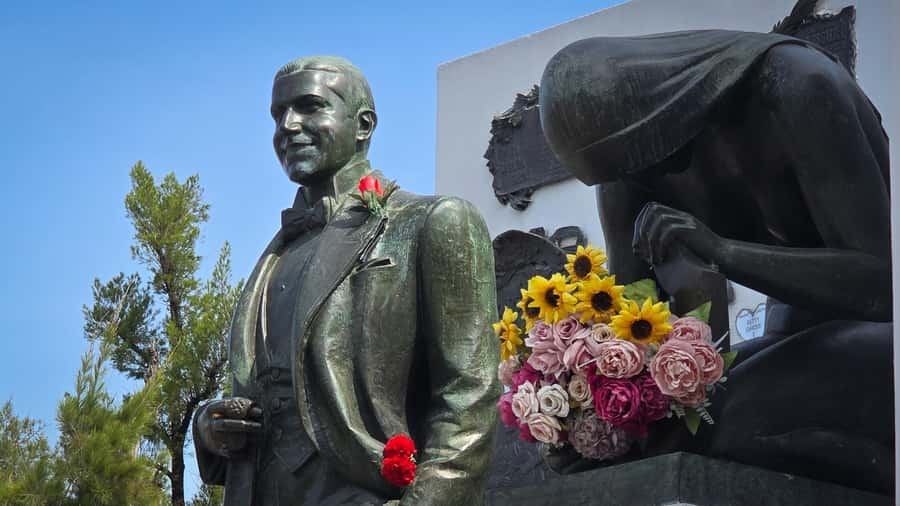
- Carlos Gardel’s mausoleum: Visit the final resting place of the voice most closely linked with tango.
- Argentina’s cultural memory: See memorials connected with Luis Sandrini, Osvaldo Pugliese, Alfonsina Storni, Jorge Newbery, Gilda, and Gustavo Cerati.
- A small Spanish-speaking group: The tour is limited to six people and led by Miguel.
- Three cemetery traditions in one outing: Chacarita, the Commonwealth War Graves site, and the German Cemetery each offer a different visual and cultural setting.
- A walking tour with real stamina required: The route lasts three hours, with a brief ten-minute pause for the restroom.
- Good value for culture-minded visitors: At $20 per person, the tour offers focused interpretation rather than a quick, self-guided look.
Why Chacarita Cemetery deserves three hours
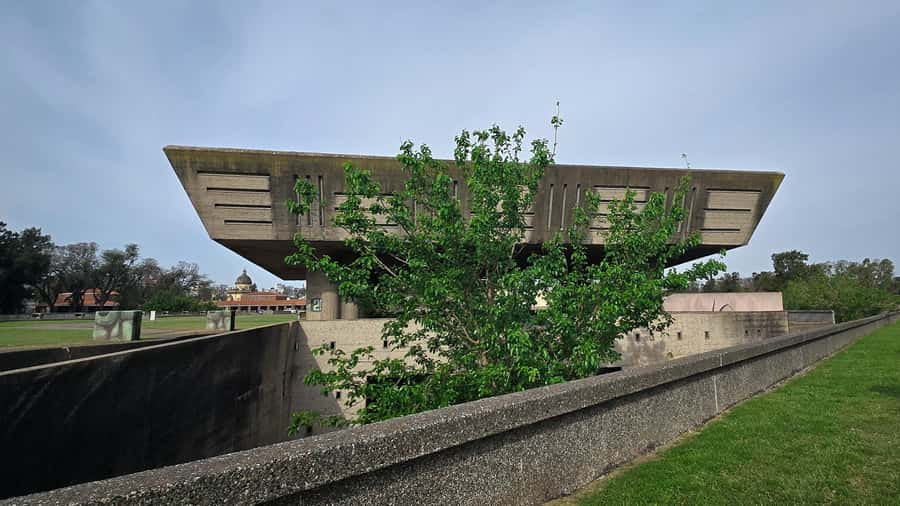
Chacarita is the largest cemetery in Argentina, and its scale changes how you experience it. You are not simply walking to one famous grave, taking a picture, and leaving. The cemetery gives you a broad view of Argentine public life through the people remembered there: entertainers, composers, athletes, writers, pilots, and national figures.
The appeal is partly architectural. Mausoleums create a small city of stone, with different periods and artistic tastes visible from one section to the next. You can expect religious imagery, carved figures, formal facades, and memorials built to make a family name last.
The guide matters here. Without help, it is easy to see only rows of tombs. Miguel’s role is to connect names with songs, films, poetry, sport, and Buenos Aires itself. His approach is especially helpful when the cemetery’s scale begins to blur the stops together.
The experience is conducted in Spanish. If you are learning the language, the pace may work well: one English-speaking participant found Miguel patient and willing to speak slowly. You should still be comfortable following a Spanish tour, since no English-language guiding is offered.
More of the old neighbourhoods in Buenos Aires:
- Buenos Aires: La Recoleta Cemetery Guided Tour in English
★ 4.8 · 1,359 reviews - Buenos Aires Bike Tour: North Districts, Recoleta and Palermo
★ 4.5 · 91 reviews - Recoleta Cemetery – Small Group Tour of History & Secrets
★ 5.0 · 53 reviews
Meeting at the main entrance
You meet at the main door to Chacarita Cemetery. That simple arrangement makes the start easy, but you should arrive with enough time to find the entrance and settle in before the walking begins.
The tour lasts three hours and includes a ten-minute pause for the restroom. That is not a long break, so plan to use the facilities when the group stops rather than waiting until the end.
The group limit of six is one of the better features. A small group allows Miguel to answer questions without turning the visit into a lecture delivered to a crowd. It also suits a cemetery, where a quiet tone and a little space feel more appropriate than a large, noisy group.
Wear comfortable shoes. A hat, sunscreen, and water are also listed as essentials, and they make sense for a long outdoor visit. Rain can happen too. One February tour continued during light rain without losing its full three-hour schedule, but wet weather will make the walking less pleasant.
Carlos Gardel, tango’s most important stop
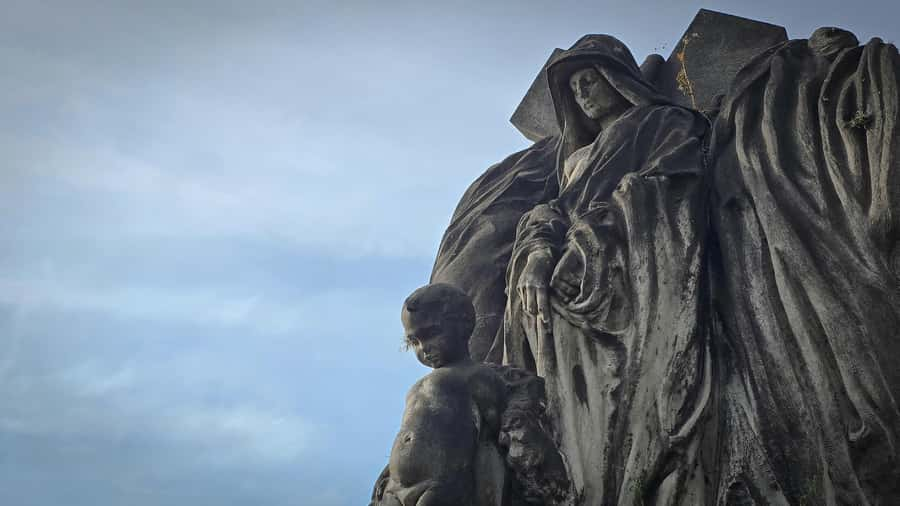
The Mausoleo Carlos Gardel is the emotional center of the route for many people. Gardel is presented as the quintessential voice of tango, and his tomb gives the music a physical place in Buenos Aires.
This stop is not only for serious tango students. If you know the music well, you will want the context and the chance to pay your respects. If you are new to tango, the visit gives you a clear entry point into one of Argentina’s defining cultural traditions.
Expect a short guided visit of about ten minutes, with time for photographs. That length is enough to explain why the tomb matters without letting one famous name take over the whole outing.
I would keep your expectations realistic. This is a cemetery tour, not a performance or a full lesson in tango. The value comes from the setting, the story, and the connection between a major cultural figure and the place where he is remembered.
Jorge Newbery and the cemetery’s wider cast
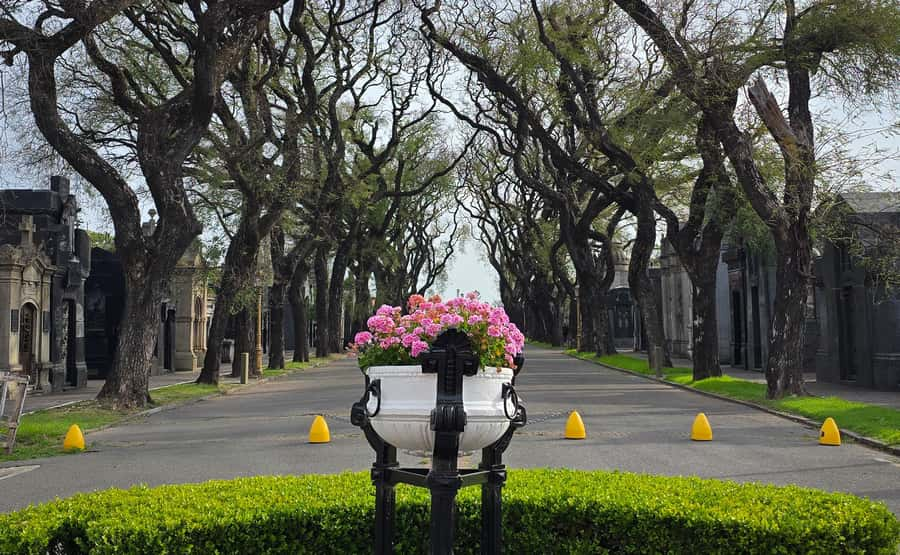
The Mausoleo Jorge Newbery broadens the tour beyond music and entertainment. Newbery is one of the public figures included in the cemetery’s wider story, and his memorial helps show that Chacarita is not limited to artists.
The stop lasts about ten minutes and includes a guided explanation and a photo pause. The itinerary also includes the Mausoleo Loredo de Subiza María Salomé, another reminder that the cemetery’s memorials are not all devoted to household names familiar to international visitors.
This is where a guide earns his fee. Some names may mean little to you at first, especially if you did not grow up with Argentine cultural references. Miguel can supply the local frame, explaining why a person mattered rather than simply pointing out an impressive tomb.
The tour also includes Luis Sandrini, a beloved actor known for making generations of Argentines laugh and cry, and Osvaldo Pugliese, an important tango composer and orchestra director. Alfonsina Storni, the poet, is another figure connected with the visit. These names create a more balanced picture of Argentina than a route focused only on one singer.
Same base, a different kind of day out:
- Buenos Aires Hop-On Hop-Off Bus, Free Walking Tours & Discounts
★ 4.5 · 2,218 reviews - Buenos Aires: Piazzolla Tango Show with Optional Dinner
★ 4.4 · 2,122 reviews - Buenos Aires: City Highlights Guided Tour with Transfer
★ 4.7 · 1,946 reviews - Buenos Aires: Hop-On Hop-Off City Bus Tour
★ 4.2 · 1,855 reviews
Gustavo Cerati and Argentina’s modern music
The Mausoleum Gustavo Cerati shifts the mood toward modern Argentine music. Cerati was a major rock figure, and his memorial gives the tour a link to a much more recent generation.
The guided visit lasts about fifteen minutes. That extra time compared with some of the earlier stops suggests room for a fuller explanation and questions. For visitors who know Cerati’s work, this may be the most personal stop. For others, it shows how the cemetery continues to hold the memory of figures who shaped contemporary culture.
Gilda offers another music-related stop. Her tomb is also given about fifteen minutes, and the visit includes a guided explanation. Together, Cerati and Gilda show how public affection can cross musical styles and generations.
I like this part of the route because it prevents the cemetery from feeling frozen in the past. You move from tango and classic cinema to more recent music, seeing how national memory keeps expanding.
The chapel and Panteón VI
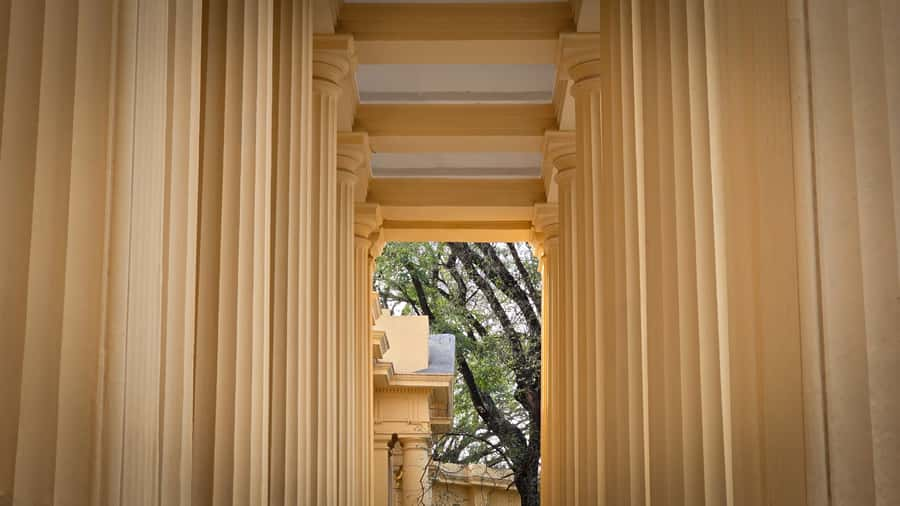
The Capilla Cementerio Chacarita provides a change from individual graves and mausoleums. A chapel gives the group a chance to consider the cemetery as a religious and architectural place, not only as a collection of famous names.
The visit lasts around ten minutes. You should expect a guided stop rather than a long interior exploration, since the tour has many locations to cover.
Panteón VI receives the longest scheduled visit, about thirty minutes. That extra time makes it an important part of the route. The name may not mean much on its own, but the guide’s explanation gives the space its purpose within the cemetery.
This is also a good point to slow down and look at construction details. The tour description emphasizes different art styles, religious temples, and national monuments, so do not rush from one famous person to the next. Some of the strongest impressions may come from the design of the memorial spaces rather than from a name you already recognize.
British and German burial grounds

The Commonwealth War Graves Buenos Aires stop introduces a different memorial tradition. You will spend about fifteen minutes there, with a guided visit to the war graves connected with the British community.
This section adds a wider international layer to the outing. Chacarita is rooted in Argentine culture, while the Commonwealth site points to people and institutions linked with Britain and the wider Commonwealth. The contrast is useful: you see how different communities remember their dead through layout, symbols, and ceremony.
The Cementerio Alemán follows with another distinct setting. The visit lasts about fifteen minutes and includes sightseeing as well as guiding. The German Cemetery has its own style and religious elements, and the tour gives you a chance to compare it with the main Chacarita grounds.
These stops are valuable because they keep the tour from becoming a celebrity checklist. You are not only visiting famous graves. You are looking at how national and religious communities create memorial spaces, and how Buenos Aires contains several traditions side by side.
Elcano Park and the final part of the walk
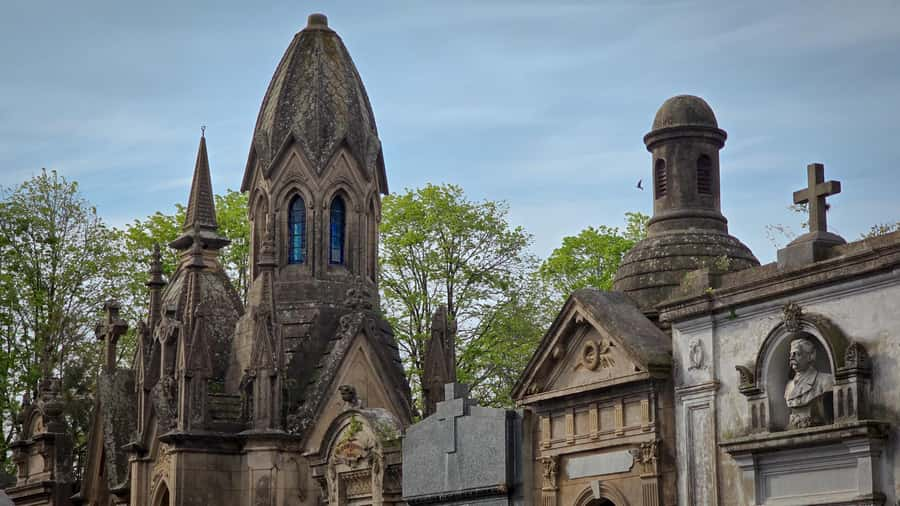
Elcano Park is included near the end of the route, with about ten minutes for a guided visit and sightseeing. The available details do not promise a major attraction or a long park stop, so think of it as a final change of scene rather than the main reason to book.
Its place in the route can help break up the cemetery walking. After mausoleums, chapels, and memorial grounds, an open public space offers a different view of the surrounding area.
The full route has a steady rhythm: famous people, architectural stops, religious spaces, war graves, and cemetery sections with their own national identity. You should not expect every stop to have equal emotional weight. Gardel, Cerati, and Gilda may matter most to music fans, while the German and British cemeteries may appeal more to visitors interested in architecture, migration, or memorial customs.
What the $20 price gets you
At $20 per person, this is a fair buy if you want context rather than a map and a list of names. The tour lasts three hours, uses a group of no more than six, and covers several separate sections and figures. A private guide is not promised, but the small format gives you a more personal setting than a large group walk.
The price is strongest for visitors who would otherwise miss the connections between the graves. You are paying for interpretation, route planning, and the chance to ask questions in real time. Miguel’s reported patience and local enthusiasm are important here, especially for Spanish learners and anyone unfamiliar with Argentine names.
It is less compelling if you prefer to wander alone or only want to see Gardel’s tomb. In that case, a three-hour guided walk may feel too long. The value comes from taking the whole route, not from treating it as a quick celebrity visit.
Free cancellation up to 24 hours before the tour and reserve-now, pay-later booking make it easier to fit into a changing Buenos Aires schedule. Starting times depend on availability, so check the selected date before you plan the rest of your day.
Who will enjoy this Chacarita walk
I would recommend it most to visitors who like culture, biography, architecture, and places that feel connected to everyday life. You do not need to know every Argentine musician or actor in advance. In fact, discovering unfamiliar names is part of the point.
It is also a good match for Spanish learners. Miguel has shown patience with people who speak English but are practicing Spanish, and a small group makes it easier to ask for clarification. You should still choose this only if you can follow a Spanish-speaking guide.
Music fans have plenty to look forward to, with Gardel, Pugliese, Cerati, and Gilda all part of the route. Film lovers get Luis Sandrini, while readers interested in poetry may appreciate the connection with Alfonsina Storni.
I would not choose this for a relaxed, low-effort afternoon. The route lasts three hours, mobility access is limited, and cemetery paths can feel tiring in sun or rain. People using wheelchairs and those with mobility impairments should choose another Buenos Aires activity.
Practical ways to make the visit better
Arrive at the main door with water already in your bag. The short restroom pause is useful, but it is not a substitute for planning ahead.
Wear shoes with good support, not your smartest city shoes. You will spend the tour on foot, and the cemetery’s size means that even short stops add up.
Bring sun protection in warm weather. A hat and sunscreen are specifically recommended, and the route is outdoors for most of its duration.
If rain is forecast, carry a light rain layer and protect your phone or camera. The tour can continue in light rain, but photography and comfort will suffer without basic protection.
Ask questions. The small group and Miguel’s patient style are well suited to curiosity, especially when you encounter a name you do not know. The tour has enough range that your questions can move from tango to architecture, from public figures to national memorials.
Should you book this Chacarita Cemetery tour?
Book it if you want to understand Buenos Aires through the people it remembers. The combination of Gardel, Cerati, Gilda, Pugliese, Sandrini, Storni, the Commonwealth War Graves, and the German Cemetery gives you much more than a standard cemetery walk.
The strongest reasons to go are the small group, Spanish-speaking guide Miguel, and the thoughtful mix of famous graves with architectural and international memorial spaces. The main reasons to pass are the three-hour walking time, Spanish-only format, and limited accessibility.
For $20, this is a solid choice for culture-minded visitors who want a focused, human explanation of Chacarita. Bring comfortable shoes and an open mind. The cemetery rewards people who look beyond the best-known names.
FAQ
Where does the tour meet?
The meeting point is at the main door to Chacarita Cemetery.
How long does the tour last?
The guided walking tour lasts three hours and includes a ten-minute pause for using the restroom.
What language is the tour in?
The tour is conducted in Spanish by a live Spanish-speaking guide.
How many people are in the group?
The group is limited to six participants.
Which famous graves are included?
The route includes Carlos Gardel, Jorge Newbery, Gustavo Cerati, Gilda, and other Argentine figures. The experience also discusses Luis Sandrini, Osvaldo Pugliese, and Alfonsina Storni.
Does the tour visit other cemeteries?
Yes. It includes the Commonwealth War Graves Buenos Aires and the German Cemetery, in addition to Chacarita Cemetery.
Is the tour suitable for wheelchair users?
No. The activity is not suitable for wheelchair users or people with mobility impairments.
What should I bring?
Bring comfortable shoes, a hat, sunscreen, and water. You may also want rain protection if the forecast calls for wet weather.
How much does the tour cost?
The listed price is $20 per person.
Can I cancel the booking?
You can cancel up to 24 hours in advance for a full refund. You can also reserve now and pay later.
Just added in Buenos Aires
- Tango Show at El Querandi with optional Dinner★ 4.2 · 3 reviews
- Wine Tasting in Buenos Aires★ 4.2 · 4 reviews
- Walking Tour: Buenos Aires bookstores★ 4.3 · 12 reviews
- Velez Sarsfield Football Match★ 5.0 · 3 reviews
- Private Underground Tango Immersion★ 5.0 · 31 reviews
- Tour Buenos Aires in one day on Electric Scooters★ 5.0 · 33 reviews
- Experience The Essence of Buenos Aires in San Telmo★ 5.0 · 51 reviews
- Teatro Colon Guided Tour Admission Ticket★ 4.0 · 208 reviews
Recoleta Cemetery Tours, compared.

Buenos Aires Bike Tour: North Districts, Recoleta and Palermo
Read our review →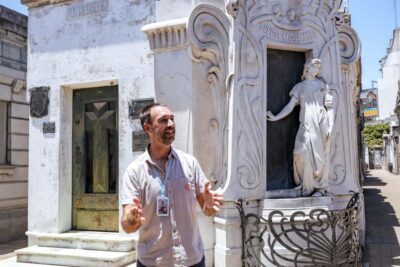
Recoleta Cemetery – Small Group Tour of History & Secrets
Read our review →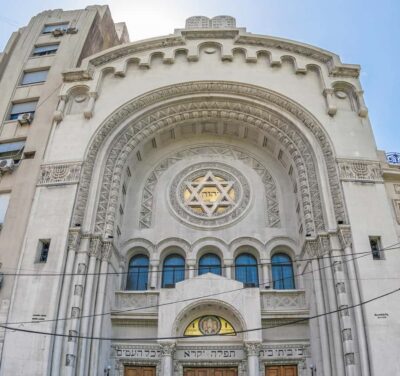

Cultural Experience by Bike around Palermo and Recoleta Max 6 ppl
Read our review →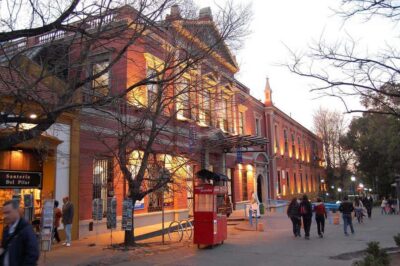
Browse the lists this tour appears in