
Reviewed · HOP-ON HOP-OFF BUS TOURS
Buenos Aires Hop-On Hop-Off Bus and Exclusive Benefits
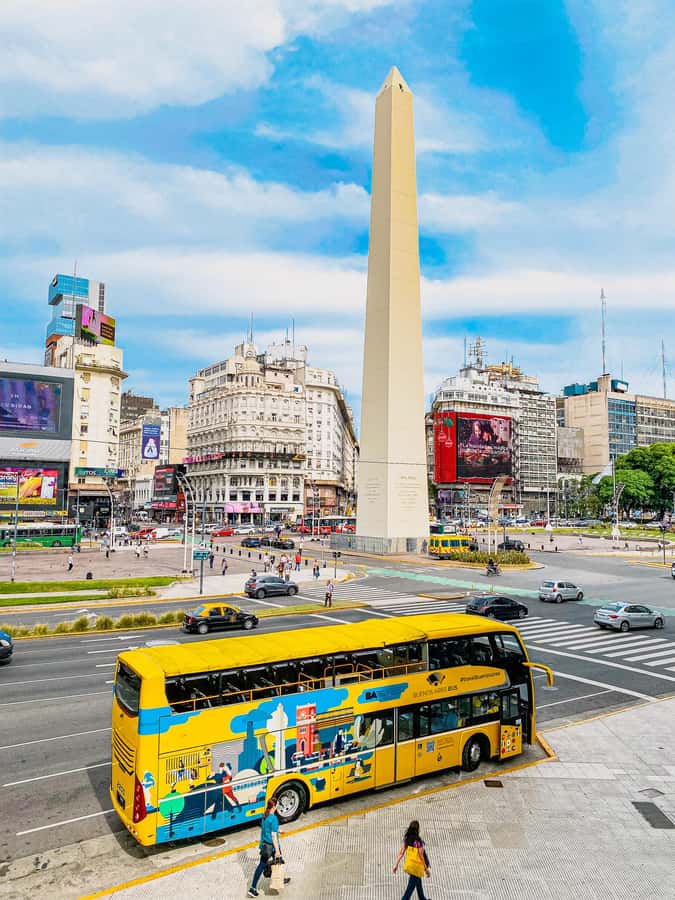
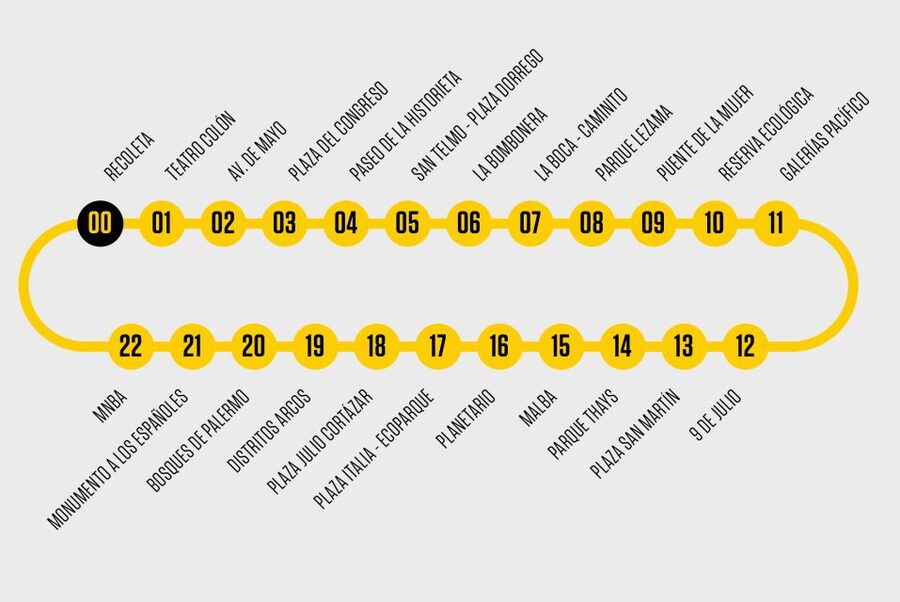
Buenos Aires is too spread out for a quick walking tour, and this bus gives you a useful first look at the city without the arithmetic of taxis and public transport. You can ride past the Obelisk, Plaza de Mayo, La Boca, Recoleta, Puerto Madero, and Palermo, then get off where something catches your eye.
I like the long, well-covered route, which helps you understand how the neighborhoods fit together, and the freedom to use a 24, 48, or 72-hour ticket as sightseeing transport. The main caution is time: the full ride takes about 3 hours and 20 minutes without stops, and traffic can make it longer.
Key points to know
- Start with one full loop: Use the first ride to learn the city’s shape before choosing where to get off.
- The yellow buses are frequent: Service is advertised about every 15 minutes, though crowded buses and traffic can cause waits.
- Nine audio languages are available: Commentary comes in Chinese, English, French, German, Italian, Japanese, Portuguese, Russian, and Spanish.
- Allow walking time at stops: Some stops are not directly beside the sights they serve.
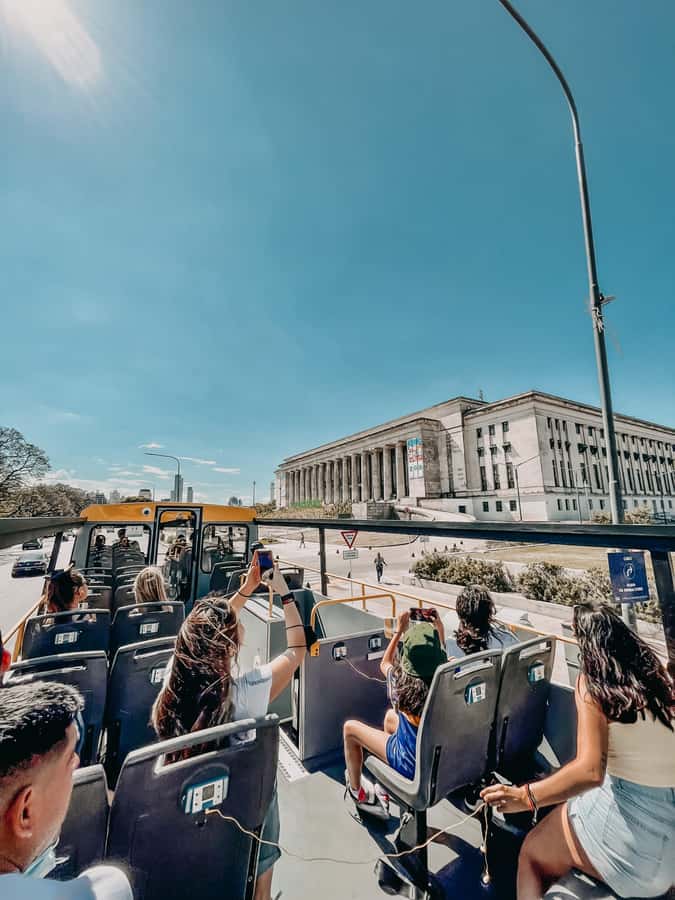
- The top deck is best for views: Open seating is good for photos, while enclosed panoramic windows help on cold or wet days.
- Discounts add some value: Your ticket can provide savings at selected restaurants, shops, clothing stores, and attractions.
A three-hour introduction to Buenos Aires
I see this bus as a city orientation tool first and a sightseeing ride second. Buenos Aires is large, and its major sights are spread across very different districts. One minute you are near grand civic buildings and the Obelisk; later you are looking toward the colorful streets of La Boca or the modern waterfront of Puerto Madero.
The complete route takes roughly 3 hours and 20 minutes if you stay aboard. That is longer than many city bus circuits, but it is also why the ticket can be useful. You are not just circling a compact tourist center. You are covering a large part of Buenos Aires.
The bus runs through the day, with an advertised average frequency of about 15 minutes. That sounds generous, but do not treat it as a railway timetable. Traffic, public events, demonstrations, and full buses can stretch the wait. One practical account describes waiting about an hour for a seat during a crowded period, while other rides had buses arriving close to schedule.
More easy ways to cover Buenos Aires:
- Buenos Aires Hop-On Hop-Off Bus, Free Walking Tours & Discounts
★ 4.5 · 2,218 reviews - Buenos Aires: Hop-On Hop-Off City Bus Tour
★ 4.2 · 1,855 reviews - Buenos Aires: Hop-On Hop-Off Bus and Football Museums
★ 4.3 · 39 reviews
How to use the ticket without wasting a day
The smartest plan is simple: make the first ride a survey. Stay on for much of the route, listen to the commentary, and note the districts you want to revisit. Then use the second circuit, or the next day, for proper stops.
A 24-hour ticket works well if you mainly want an overview and a few short visits. The clock runs from your first boarding, not necessarily from the start of the operating day, so you do not need to rush to the first stop at 9 a.m. A 48-hour ticket gives you a better balance: one ride to get oriented, then a second day for La Boca, Recoleta, Palermo, or other chosen stops.
The 72-hour option suits a slower schedule. It can also make sense if you want to combine sightseeing with transportation between districts. You should still check the bus route before relying on it for a specific appointment, since delays are possible and some stops require a walk.
You must exchange your voucher at the ticket counter at 466 Córdoba Avenue before boarding. Arrive about 15 minutes early with your passport or identity card. Once you receive the bus ticket, you can board at any of the stops.
Plaza de Mayo, the Obelisk, and Teatro Colón
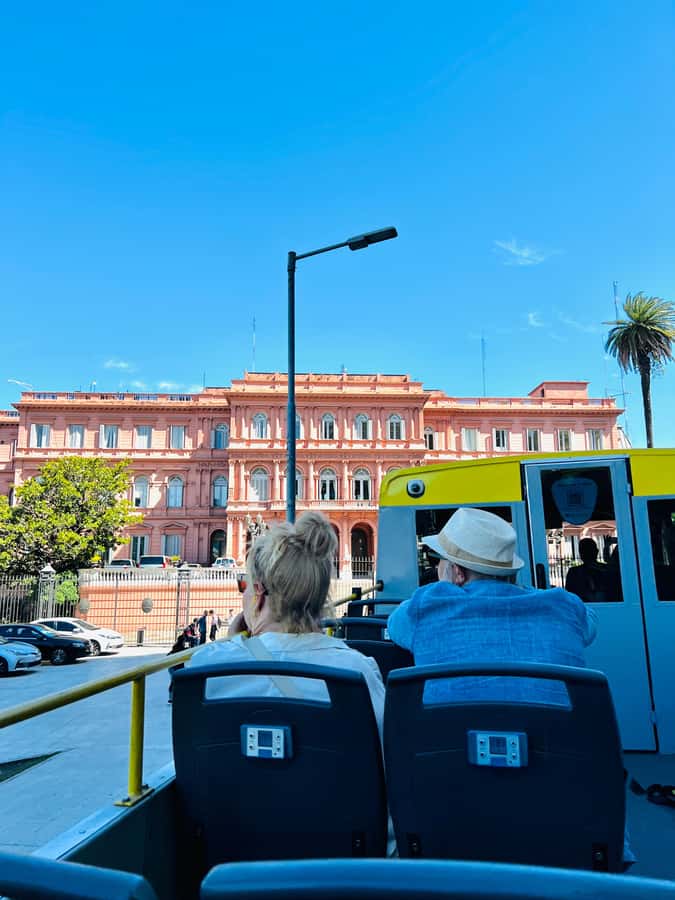
The central part of the ride gives you the classic Buenos Aires introduction. Plaza de Mayo is the city’s great civic square, with major buildings and political importance. It is the kind of stop where getting off pays off, since the square rewards a slower look better than a photograph through a bus window.
The Obelisk is one of the city’s easiest landmarks to spot from the road. It sits on the broad Avenida 9 de Julio, where the scale of Buenos Aires becomes clear. The bus lets you see this major avenue without trying to cross the whole area on foot.
Teatro Colón is another strong central stop. Even if you do not enter, the theater helps explain the city’s architectural and cultural character. The bus route is useful here because it links the theater with other central sights without requiring another taxi.
The audio guide fills in names and background as you ride. Its quality can vary by language and by vehicle, but many people find the commentary helpful for learning the city’s layout. I would use it as an introduction, not as a substitute for a dedicated museum or walking tour.
La Boca and Caminito: get off and explore
La Boca is one of the stops where you should leave the bus. Caminito is known for its colorful streets, artistic character, and strong connection to Buenos Aires popular culture. The bus gives you an easy way to reach the district, but the point is to walk around after you arrive.
Allow more time than the bus schedule alone suggests. The ride may drop you near the district, but stops are not always directly outside each attraction. A short walk can become longer if you are trying to find the correct street or want to look around rather than rush back to the next bus.
La Boca also works well as a lunch stop. One useful way to structure the day is to ride the morning circuit, get off for Caminito and a meal, then continue toward another district. Food is not included, but the ticket’s listed discounts may apply at selected restaurants. Check the current offers at the ticket office rather than assuming every restaurant participates.
Same base, a different kind of day out:
- Buenos Aires: Piazzolla Tango Show with Optional Dinner
★ 4.4 · 2,122 reviews - Buenos Aires: City Highlights Guided Tour with Transfer
★ 4.7 · 1,946 reviews - Buenos Aires: La Boca Guided Walking Tour in English
★ 4.8 · 1,587 reviews - Buenos Aires: La Recoleta Cemetery Guided Tour in English
★ 4.8 · 1,359 reviews
Puerto Madero and the Woman’s Bridge
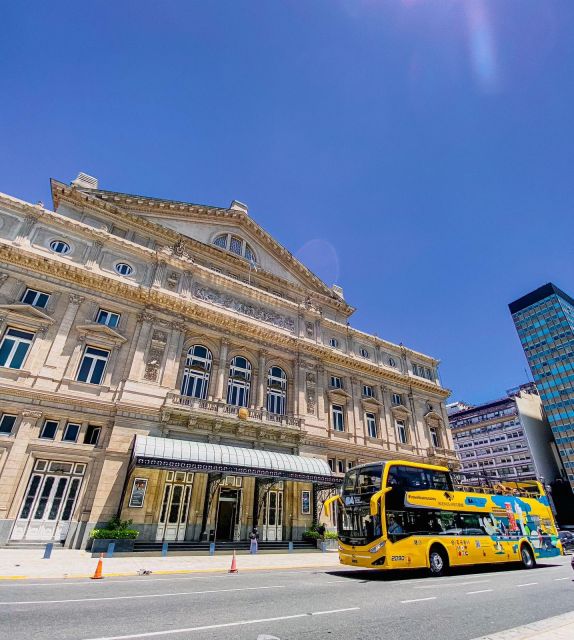
Puerto Madero provides a sharp change from the older central districts. The waterfront area has modern buildings, broad promenades, and the recognizable Puente de la Mujer, or Woman’s Bridge. From the upper deck, this section is particularly good for photographs.
I would choose an outdoor seat when the weather is comfortable, but keep the enclosed upper deck in mind during cold or wet conditions. The buses include panoramic windows, which let you keep seeing the city without sitting fully exposed to wind and weather.
Puerto Madero is also a good place to use the bus as a link between neighborhoods. Instead of paying for separate rides across the city, you can combine a bus journey with a walk around the waterfront. Just remember that the bus is not a private transfer. You may need to wait for the next vehicle, and traffic can affect the timing.
Recoleta, Palermo, and the Rose Garden
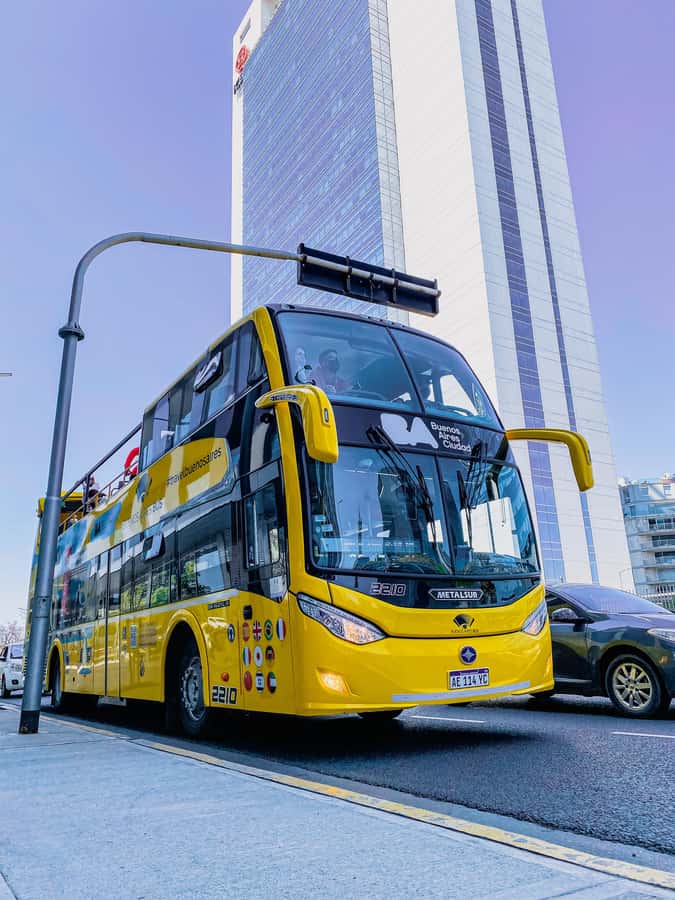
The route continues toward Recoleta and Palermo, two districts that show a different side of Buenos Aires. Recoleta is associated with grand architecture and major city sights, while Palermo offers parks, cafés, and a more open feel.
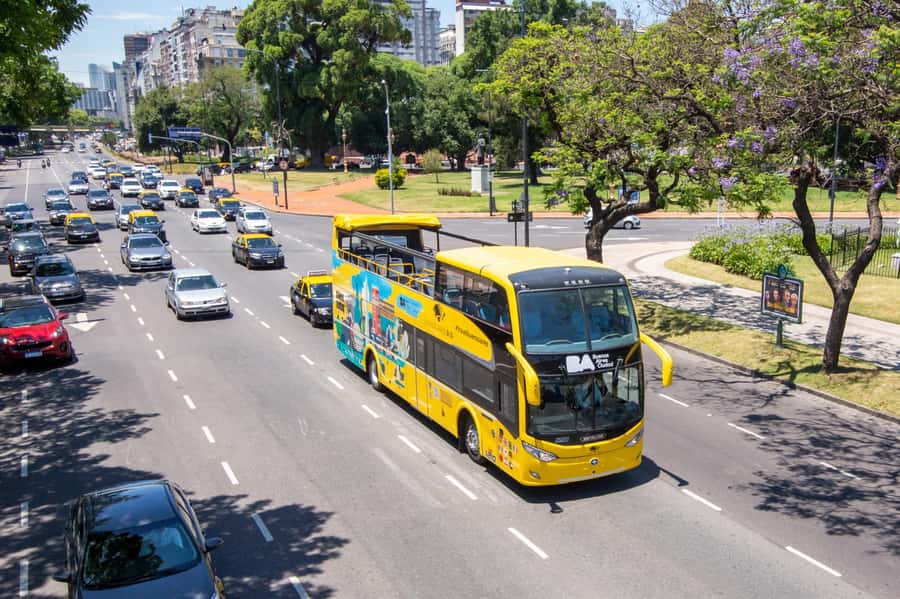
The ride near El Rosedal, the Rose Garden, is one of the better stretches for views from the upper deck. It is also a reminder that Buenos Aires is not only a city of avenues and monuments. Some sections open out into parks and greener public spaces.
Palermo is a useful stop if you want a break from the central tourist circuit. You can get off for coffee, then return to the route later. Keep a close eye on the stop location and direction of travel, since a large map with tiny print can make it harder to coordinate the route with the audio stops.
This is one area where a phone map helps. The printed map is useful for a broad overview, but it may not make every street or direction clear. A compass would help, and the stop numbers should match the audio system exactly. If they do not, listen for landmarks and confirm with staff before getting off.
The audio guide: useful, but not always even

The audio system is included, and headphones are supplied. You select from nine languages: Chinese, English, French, German, Italian, Japanese, Portuguese, Russian, and Spanish. That is a real advantage if you do not understand Spanish well.
The commentary includes history, local stories, music, and descriptions of sights along the route. In the best moments, it arrives at the right place and gives you a reason to look up. Some riders have found the English narration clear and informative, while others found the translation awkward or said it sounded like poor machine translation.
There are also repeated complaints about the balance between speech and music. Spanish music can come in louder than the commentary, making it necessary to adjust the volume or remove the earphones. Crackling audio and faulty headphone points have also appeared on some buses.
My advice is to test the equipment before the bus moves far from the stop. If the sound is weak, ask the staff for another headset or seat connection. On the open top deck, wind and traffic can make the audio harder to hear, so the enclosed panoramic section may be the better choice when commentary matters more than photographs.
Comfort, crowds, and the best seat
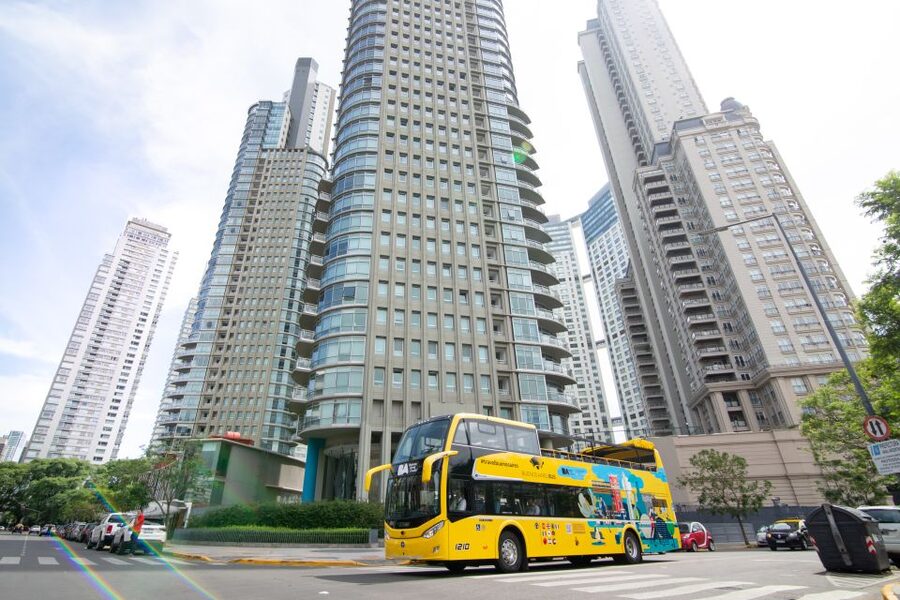
The buses offer open-air upper seating and enclosed panoramic areas. The top deck gives you the best views for architecture and photographs, while the covered section is more practical in poor weather or strong sun.
Comfort is generally good, but demand can affect the experience. A bus arriving every 15 minutes is not helpful if the first two vehicles are full. People may also stay aboard for the full circuit, reducing the number of seats available at busy stops.
If you are boarding at a popular stop, be prepared to wait for the next bus. A little flexibility makes a big difference. I would avoid planning a tight connection immediately after the ride, especially if you are visiting during a busy period or when an event is affecting city traffic.
Staff are generally described as friendly and helpful, and English-speaking assistance is available. The ticket exchange counter is the one logistical point to plan carefully, since it may be less convenient than a nearby boarding kiosk.
What the ticket costs and what it saves
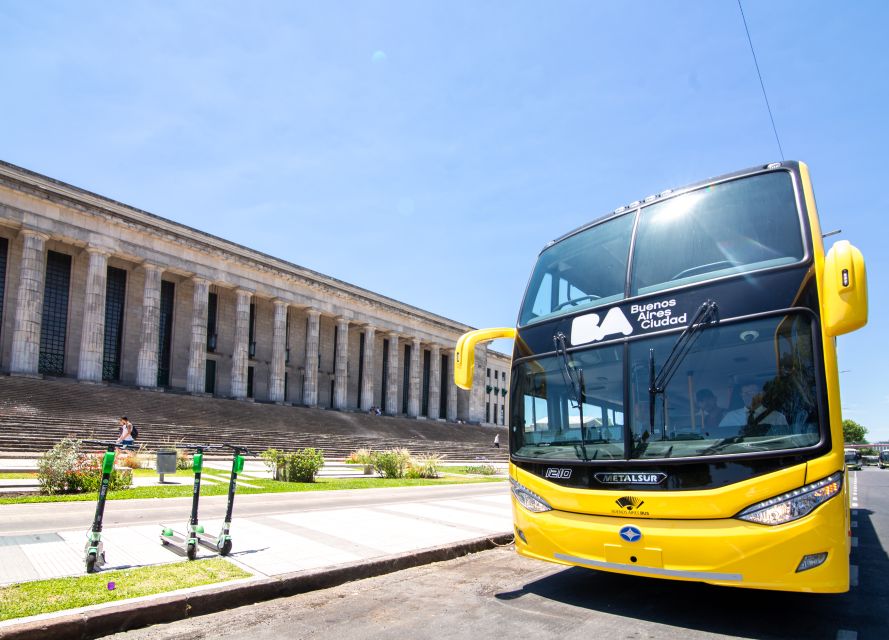
At about $35 per person, the 24-hour ticket is not the cheapest way to move around Buenos Aires if you only need one short ride. Its value improves when you use it for several neighborhoods, make multiple stops, or avoid several taxi and rideshare fares.
The 48-hour and 72-hour options make more sense when you want to revisit districts or prefer a slow pace. The ticket can also replace some short transport journeys, though you should not count on it for exact arrival times.
The included discounts at selected restaurants, clothing stores, shops, and attractions may improve the calculation. These are not automatic savings everywhere, so check which offers are active and what proof is required. You will need the bus ticket when claiming eligible discounts.
For a first visit, I consider the main value to be orientation. You learn the city’s size and see which districts deserve a longer visit. That can save both time and money later, especially if you are deciding between several taxi rides and a single bus pass.
Practical details worth knowing
The service is wheelchair accessible. Smoking, pets other than assistance dogs, and alcoholic drinks are not allowed aboard. Food, drinks, hotel pickup, hotel drop-off, and attraction entrance fees are not included.
Free cancellation is available up to 24 hours before the activity for a full refund. You can also reserve and pay later, which is useful when your schedule is still changing.
Check the official service website for live updates before setting out. This matters most on days with demonstrations, special events, or heavy traffic. The published 15-minute frequency is an average, not a promise that every bus will arrive at exactly that interval.
Should you book the Buenos Aires Bus?
I would book it if you have one to three days in Buenos Aires and want a clear first look at a large city. It is especially useful for solo visitors, first-time visitors, families, and anyone who would rather not plan several cross-city rides.
Choose the 24-hour ticket for a full circuit and a handful of stops. Choose 48 hours if you want to explore properly, and 72 hours if you prefer a relaxed pace or plan to use the bus more than once as transport.
Skip it if you already know Buenos Aires well and want only deep visits to one or two neighborhoods. The audio can be uneven, crowds can cause delays, and some stops require a walk. For most first visits, though, the long route, flexible boarding, multilingual commentary, and included discounts make the $35 fare a sensible way to get your bearings.
FAQ
How long does the full Buenos Aires Bus route take?
The full route takes approximately 3 hours and 20 minutes without getting off. Traffic, demonstrations, and special events can make the ride longer.
How often do the buses run?
Buses operate throughout the day at an average frequency of about every 15 minutes. Actual wait times may change because of traffic and crowding.
Which ticket durations are available?
You can choose a 24-hour, 48-hour, or 72-hour ticket. The ticket period begins with your first boarding.
Where do I exchange my voucher?
You must exchange the voucher at the ticket counter at 466 Córdoba Avenue before boarding. After receiving the bus ticket, you can board at any official stop.
Which languages are available for the audio guide?
The audio guide is available in Chinese, English, French, German, Italian, Japanese, Portuguese, Russian, and Spanish.
Are food and attraction admissions included?
No. Food, drinks, and entrance fees for attractions are not included. The ticket does include selected discounts at restaurants, shops, clothing stores, and attractions.
Is the bus wheelchair accessible?
Yes, the activity is listed as wheelchair accessible.
Can I cancel the booking?
You can cancel up to 24 hours before the activity for a full refund. Reserve now and pay later is also available.
Just added in Buenos Aires
- Buenos Aires: Speakeasy & Mixology Bar Tour with Cocktails★ 5.0 · 5 reviews
- Premium Empanadas Cooking Class & Wine Tasting Experience★ 4.9 · 35 reviews
- Buenos Aires: Small-Group Wine Tasting★ 4.8 · 18 reviews
- Buenos Aires: Rojo Tango Show with Optional Dinner★ 3.4 · 3 reviews
- Buenos Aires: Santa Susana Ranch Day Tour, BBQ & Shows★ 4.6 · 32 reviews
- Buenos Aires:Small Group Tour AM & Sunset Open Bar Cruise PM★ 4.5 · 15 reviews
- Buenos Aires: Private Photo Tour for Ammateur Photographers★ 4.9 · 5 reviews
- Buenos Aires: Private Recoleta Cemetery Walking Guided Tour★ 4.6 · 13 reviews
Hop-On Hop-Off Bus Tours, compared.

Browse the lists this tour appears in