
Reviewed · TOURS IN BUENOS AIRES
N1 Coffee Tasting Experience in Buenos Aires
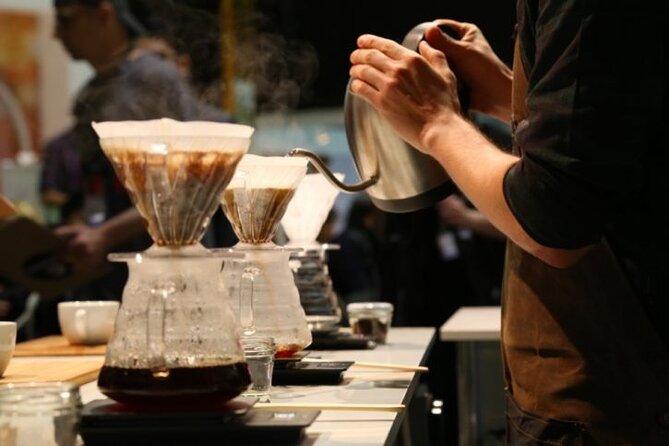
Coffee here is treated less like a quick caffeine stop and more like a small science class you can taste. At Al Diablo Coffee Roasters, Lyubov guides you from planted seed to finished cup, using single-origin coffees, aroma samples, and hands-on tasting games to sharpen your senses.
I like the private format, which gives you room to ask questions and adjust the discussion to your own coffee habits. I also like the Le Nez du Café aroma kit, a clever way to connect smells with the flavors you later find in the cup.
The one caution is the price: at $85 per person, this costs more than a café visit or casual tasting. You are paying for a two-and-a-half-hour lesson with a specialist, so it makes the most sense if you want skills you can use after Buenos Aires.
Key points at a glance
- Four or more specialty coffees: Compare single-origin beans and notice how origin, roast, and preparation affect the cup.
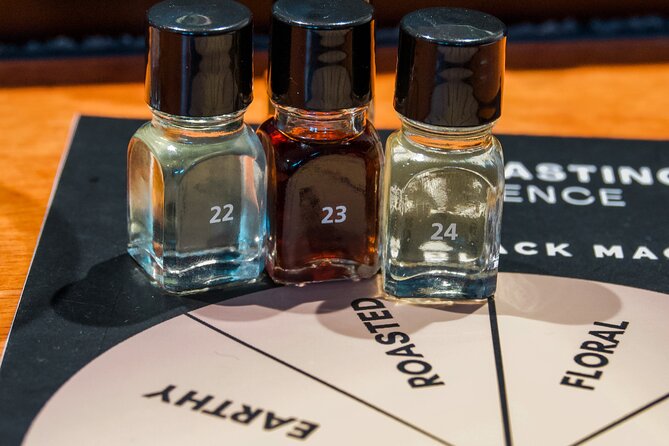
- Aroma training with Le Nez du Café: Smell distinct samples before tasting, then use those clues to describe coffee more clearly.
- A full coffee journey: Learn about growing, harvesting, roasting, brewing, labels, and quality.
- Private attention from Lyubov: Your group has the guide to itself, making this useful for beginners and serious coffee drinkers alike.
- Morning or afternoon timing: Choose the departure that fits your Buenos Aires plans.
- A practical skill to take home: You finish better able to read coffee bags and choose beans for your own palate.
Why this Buenos Aires coffee class feels different
Many coffee tastings ask you to sip and pick a favorite. This one gives you a vocabulary for explaining why you like it. Lyubov presents coffee as a chain of choices, beginning with the plant and ending with the way a drink reaches your mouth.
That matters because a coffee bag can be full of useful information, but only if you know how to read it. During the session, you learn how origin, processing, roast, and flavor notes relate to one another. You are not expected to arrive with technical knowledge. The class is built so a complete beginner can follow it, while an experienced coffee drinker still has plenty to consider.
I especially like the way the session joins explanation with action. Instead of hearing a long talk about aroma, you smell samples. Instead of simply being told that coffees differ, you taste them side by side. That hands-on rhythm keeps the class lively and gives the information a practical purpose.
The experience is called a Coffee Omakase Tasting Experience, but you should think of it as a private coffee workshop rather than a quick tasting flight. It usually lasts about two hours and thirty minutes, with some sessions running closer to three hours according to the timing described by past participants.
Other trips people book in Buenos Aires:
- Buenos Aires Hop-On Hop-Off Bus, Free Walking Tours & Discounts
★ 4.5 · 2,218 reviews - Buenos Aires: Piazzolla Tango Show with Optional Dinner
★ 4.4 · 2,122 reviews - Buenos Aires: City Highlights Guided Tour with Transfer
★ 4.7 · 1,946 reviews
Starting at Al Diablo Coffee Roasters
The meeting point is Al Diablo Coffee Roasters, at Costa Rica 4752 in Buenos Aires. The activity begins and ends there, so you do not need to arrange a one-way transfer or wonder where the final portion of the class will leave you.
The location is near public transportation, which helps if you are fitting the experience into a day of exploring Buenos Aires. Still, allow enough time to reach Costa Rica 4752 without rushing. A tasting works better when you arrive ready to pay attention, not already worried about missing the start.
You can choose a morning or afternoon departure. A morning booking suits you if coffee education sounds like a good way to begin the day. An afternoon session may fit better after sightseeing, though remember that the class involves tasting several coffees. If caffeine affects your sleep, pick the earlier time when possible.
Because the group is private, only your party participates. That is important here. Coffee tasting brings up personal questions: Why does one roast taste sour to me? What does processing mean on this label? Why do I prefer this cup but not that one? You can ask those questions freely instead of waiting for a large group to move on.
From coffee seed to finished cup
Lyubov begins with the larger picture. You learn how coffee starts as a planted seed and passes through growing, harvesting, processing, roasting, and brewing before it becomes a drink.
This section gives the tasting some needed context. A bean is not simply good or bad. Its character can be shaped by where it was grown, how it was handled after harvest, how it was roasted, and how it was prepared. Once you understand that chain, coffee descriptions become less mysterious.
The class also introduces specialty coffee and the standards that separate it from ordinary commercial coffee. The aim is not to turn you into a coffee judge in one afternoon. Instead, you learn to notice quality and variation, then decide what suits your own palate.
That last part is easy to overlook. Specialty coffee is not about finding one universal winner. One person may prefer a bright, fruity cup. Another may want something darker and fuller. The useful result is learning how to identify your preference without relying on a shop employee or a fashionable label.
The Le Nez du Café aroma game
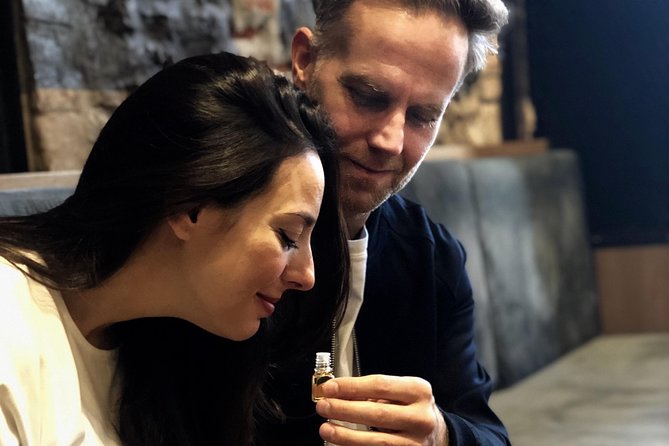
One of the most memorable parts is the aroma exercise with the Le Nez du Café sommelier kit. You smell individual aromas and try to identify them, turning the process into a game rather than a test.
This is a smart teaching tool. Smell has a major role in how you experience coffee, but many people have trouble naming what they notice. The kit gives you separate reference points, then helps you connect them to the coffees in front of you.
You do not need a trained nose. In fact, the exercise works well if you think you are not good at describing flavors. You may recognize a scent but struggle to name it, or find that another person detects something you missed. That is part of the fun, and Lyubov uses the discussion to build your confidence.
The aroma work also keeps the class from becoming a lecture. You touch, smell, taste, compare, and talk. The result is more memorable than a list of coffee terms.
A few more things to do in Buenos Aires worth a look
- Buenos Aires: 9-Course Argentine Meat Tasting at Fogón Asado
★ 4.9 · 826 reviews - Buenos Aires: Local Foodie Adventure with Sherpa Food Tours
★ 4.9 · 670 reviews - Buenos Aires: Wine Tasting and Lunch at Bodega Gamboa
★ 4.8 · 177 reviews - Buenos Aires Food Tour: Local Dishes, Steak, Empanada & More
★ 5.0 · 118 reviews
Tasting single-origin coffees side by side
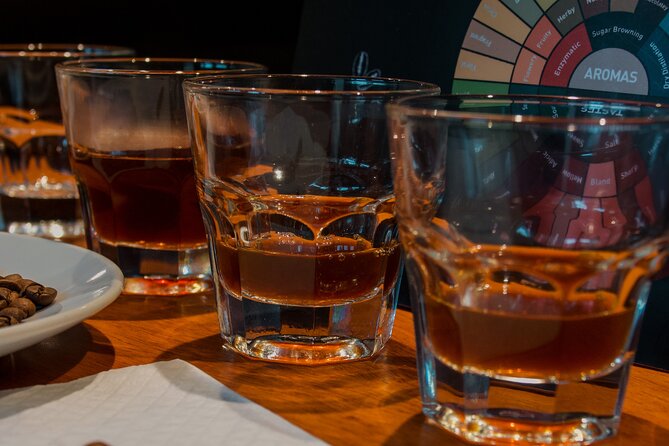
The tasting includes a variety of freshly roasted single-origin coffees, with coffees from top Buenos Aires roasters included in the selection. The supplied details specifically mention a wide variety of flavors and, in one account, four different coffees.
Exact coffees can change, so do not book expecting a fixed menu of named beans. That flexibility is useful. It allows Lyubov to shape the session around the available coffees and the interests of your group.
You learn to look at the beans, smell them, taste the brewed coffee, and compare your impressions. The point is not to gulp each sample and choose the strongest one. You are guided to notice differences in aroma, flavor, roast character, and overall feel.
The comparison can change how you drink coffee at home. If you normally add milk or sugar without thinking, you may begin to notice what the plain coffee is doing first. If you usually choose the darkest roast, you may discover that a lighter coffee offers more of the flavors you enjoy.
Some descriptions connect the tasting with brewing methods and roast differences. Use that part as practical advice, not as a rigid rulebook. The goal is to understand why a certain bean may suit a certain preparation, then make better choices for yourself.
Learning to read a coffee bag
A useful benefit of the workshop is the explanation of coffee packaging. Labels can list origin, processing method, roast information, tasting notes, and other details, but they are not always easy to interpret.
Lyubov breaks down the language so you can shop with more confidence. You begin to see tasting notes as clues rather than promises. If a bag suggests fruit, flowers, chocolate, or spices, that does not mean flavoring was added. It describes aromas and tastes the roaster expects you may notice.
This is one of the strongest reasons to choose the class over a standard tasting. You are not only enjoying coffee in Buenos Aires. You are learning how to make a purchase later, at home or in another city, without feeling lost in a wall of unfamiliar terms.
The advice is also personal. Since the class helps identify your own palate, you can connect label information to what you actually like. That makes the lesson more useful than simply memorizing production facts.
Lyubov’s teaching style and the private setup
Lyubov is the central reason this experience works as a class. She brings a personal coffee journey to the subject and explains complicated ideas in a welcoming, playful way.
The strongest praise focuses on her ability to answer questions, tell stories, and keep the material from feeling heavy. She is described as patient, warm, engaging, and highly skilled at guiding people through coffee at different levels.
That combination matters. A technical instructor can make a beginner feel out of place. A friendly host without strong subject knowledge may offer a pleasant hour but little lasting value. Here, the format aims for both clear teaching and an easy atmosphere.
The private setup improves that balance. A solo booking can become a one-to-one class, while couples, families, or friends can discuss their different impressions together. If one person in your group already knows a fair amount about coffee, that person can ask advanced questions without leaving the rest of the group behind.
The class is not limited to coffee specialists. People who only have a passing interest can still take part, since the exercises begin with basic sensory awareness and build from there.
Is $85 a fair price?
At $85 per person, this is not a bargain café activity. You should compare it with the cost of a private workshop, not with the price of a cappuccino.
The fee pays for about two and a half hours, a private guide, several specialty coffees, an aroma session, and instruction that you can use after the trip. You also get access to Lyubov’s personal experience and the chance to ask questions throughout the class.
I consider the price reasonable for a serious coffee enthusiast, a person planning to buy better beans at home, or anyone who enjoys food and drink classes with real instruction. It is harder to justify if you simply want to sample coffee and move on. Buenos Aires has plenty of cafés where you can spend far less.
Think about what you want from the activity. If the answer is a new coffee habit, better buying skills, and a clearer palate, the fee has lasting value. If you want a quick break between sights, choose a café instead.
Who should book this experience?
You should book if you like coffee but cannot explain the difference between roasts, origins, and tasting notes. The class is also a good fit if you already know a lot and want a private setting for more focused questions.
It works especially well for couples, friends, and solo visitors. A group can compare reactions, while a solo participant may receive especially direct guidance. Families can join if everyone is interested in taking part in a seated tasting and learning session.
Tea drinkers are not left out. The sensory work applies beyond coffee, and the experience welcomes people who are curious about aroma and taste even if coffee is not their daily drink.
You may want to skip it if you dislike caffeine, do not enjoy structured learning, or would rather spend your Buenos Aires time visiting several cafés on your own. The class is interactive, but it is still a lesson with a clear educational purpose.
Practical details before you reserve
Confirmation arrives when you book. The activity is near public transportation, and you return to the same meeting point at Al Diablo Coffee Roasters.
It is often reserved well ahead of time, with an average booking lead of 38 days. That does not guarantee a date will sell out, but it is a useful reason to plan early if your Buenos Aires schedule is fixed.
Free cancellation is available when you cancel at least 24 hours before the local start time. Cancellations or changes made inside that window are not refunded or accepted, so check your plans before committing.
Should you book the N1 Coffee Tasting Experience?
Book it if you want more than a pleasant cup. The best parts are the aroma game, the side-by-side single-origin tasting, the clear explanation of coffee production, and Lyubov’s patient private instruction.
I would choose this for a coffee-focused morning or afternoon when you want to take home a skill, not just a souvenir. At $85, it asks for a serious commitment, but the lesson can change how you buy, brew, smell, and taste coffee long after your visit to Buenos Aires.
FAQ
Where does the coffee tasting begin?
It begins at Al Diablo Coffee Roasters, Costa Rica 4752, C1414 Ciudad Autónoma de Buenos Aires, Argentina.
Where does the activity end?
The activity ends back at the meeting point at Al Diablo Coffee Roasters.
How long does the experience last?
The planned duration is approximately two hours and thirty minutes. Some sessions may run about three hours.
Is the experience private?
Yes. Only your group participates in the private activity.
Can I choose a morning or afternoon departure?
Yes. Morning and afternoon departure options are available.
What kind of coffee will I taste?
You will taste a variety of freshly roasted single-origin specialty coffees, including selections from top roasters in Buenos Aires. The exact coffees may vary.
Will I learn how to identify coffee aromas?
Yes. The experience includes a sensory workshop using the Le Nez du Café sommelier aroma kit.
Is this suitable for beginners?
Yes. The session explains coffee from growing and harvesting through roasting and tasting, and it is designed for people with different levels of coffee experience.
What is the cancellation policy?
You can cancel at least 24 hours before the local start time for a full refund. Cancellations or changes made less than 24 hours before the start are not accepted and are not refunded.
Just added in Buenos Aires
- Tango Show at El Querandi with optional Dinner★ 4.2 · 3 reviews
- Wine Tasting in Buenos Aires★ 4.2 · 4 reviews
- Walking Tour: Buenos Aires bookstores★ 4.3 · 12 reviews
- Velez Sarsfield Football Match★ 5.0 · 3 reviews
- Private Underground Tango Immersion★ 5.0 · 31 reviews
- Tour Buenos Aires in one day on Electric Scooters★ 5.0 · 33 reviews
- Experience The Essence of Buenos Aires in San Telmo★ 5.0 · 51 reviews
- Teatro Colon Guided Tour Admission Ticket★ 4.0 · 208 reviews
Tours in Buenos Aires, compared.



Browse the lists this tour appears in