
Reviewed · ARGENTINE FOOD & EMPANADA TOURS
Discover Argentine Wines Paired with Delicious Tapas
Argentina’s wine country arrives at the table in four glasses, each from a different region and small family producer. Bertie leads the tasting, while Aby prepares fresh regional tapas, turning a standard wine flight into a small lesson in Argentine food and place.
I like the clear trip through the country, from the dry north to cool Patagonia and then the famous vineyards of Mendoza. I also like the relaxed, intimate setting, capped at 14 people, where you can ask questions instead of being lost in a large group.
The main consideration is the price: $84 per person is fair for two hours of wine, food, and personal guidance, but it is not a quick tasting-room stop. You will get the most from it if you want conversation and context, not just four samples.
Key points to know before booking
- Four wines, four Argentine regions: Each pour comes from a different producer and part of the country.
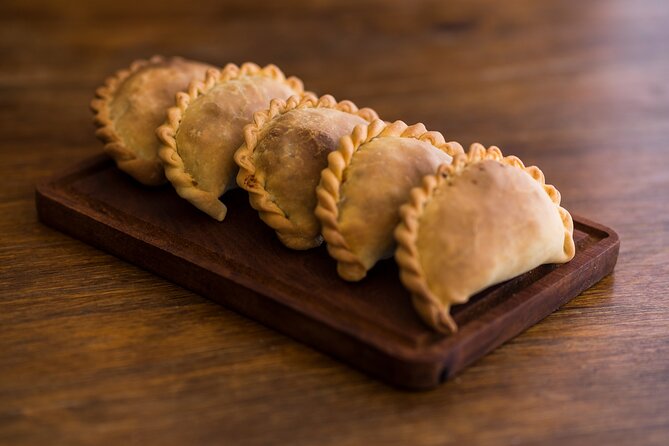
- Tapas are part of the lesson: Aby pairs a freshly prepared small dish with each wine, including memorable empanada and humita offerings.
- Bertie and Aby host the full experience: Expect a personal format with food, wine, history, and plenty of time for questions.
- The group stays small: The maximum is 14 people, which suits couples, solo visitors, and small groups.
- The tasting begins and ends at Soler 5650: The meeting point is in Buenos Aires, near public transportation.
- You can buy bottles afterward: The wines available for purchase are not included in the $84 price.
Four glasses that map Argentina
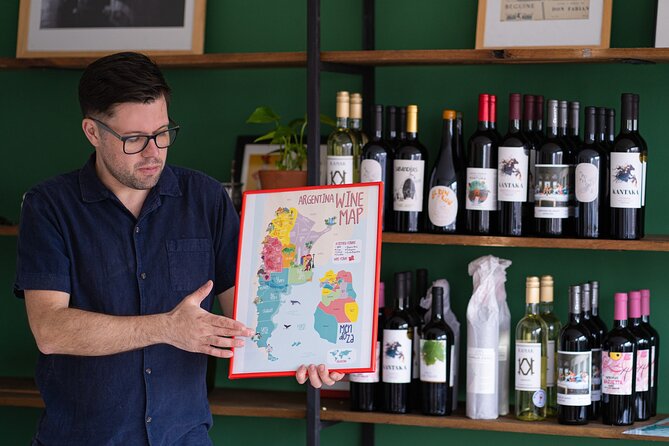
The smart idea here is geographic variety. Instead of focusing only on Malbec from Mendoza, the tasting moves across Argentina and gives you a broader sense of what the country produces.
The stated route begins in the arid north, continues down to the cool plains of Patagonia, and then moves back north to Mendoza. The fourth wine comes from another distinct Argentine source. You taste four wines in total, each made by a different producer, so the focus stays on character and contrast rather than a single winery or grape.
That matters because many visitors arrive knowing Argentina mainly for Mendoza Malbec. Mendoza deserves its fame, but it is only part of the story. A tasting like this gives you a chance to compare how climate, altitude, soil, and local traditions shape the wine in different parts of the country.
Bertie also explains why particular grapes grow in particular places. You do not need a strong wine background to follow along. The format is designed to be approachable, with the wine connected to a region, a producer, and a story instead of presented as a list of technical tasting notes.
You are welcome to repeat the wines, which is useful when one bottle catches your attention. Four samples can feel brief if you want a long evening of drinking, but the repeat option gives the tasting a little more flexibility.
Other tastings without leaving the city:
- Buenos Aires: Wine Tasting and Lunch at Bodega Gamboa
★ 4.8 · 177 reviews - Premium Argentinian Wines and Malbec Tasting Experience
★ 4.6 · 60 reviews - Buenos Aires: Palacio Barolo Guided Night Tour with Wine
★ 4.4 · 54 reviews
Tapas that do more than fill the table
The food is not a side plate added at the last moment. Each wine comes with a small tapas serving prepared by Aby, and the pairing is meant to show how Argentine flavors work with the wine.
A memorable empanada is part of the experience, and humita, a corn-based dish with Inca connections, has also been featured. The food gives the tasting a stronger sense of place than crackers and cheese would. It also helps you judge the wine in a practical way. A bottle that seems sharp or restrained on its own can make more sense beside a warm, savory bite.
This food pairing is especially helpful if you are new to wine tasting. You do not have to search for aromas or pretend to detect obscure flavors. You can simply notice what happens when the wine meets the food.
The portions are described as small tapas, so do not treat this as a full lunch for a large appetite. It is a food-and-wine experience, not a restaurant meal. Still, the repeated pairing of one bite with one wine gives the two-hour session a steady rhythm.
Aby’s family recipes also add a personal touch. That is more meaningful than a generic menu because you hear why a dish matters as you eat it. If food is as important to you as wine, this is one of the strongest reasons to book.
Meeting Bertie and Aby at Soler 5650
The experience starts and ends at Soler 5650, C1425BYH, in Buenos Aires. It is near public transportation, and the same location serves as the return point, so you do not need to arrange a separate ride after the tasting.
The setting is cozy and relaxed, with a view associated with Palermo Soho. One practical note: allow extra time to find the entrance. A few people have had trouble getting in, so arriving right at the start may leave you rushed. Your confirmation should provide the details you need, but checking the building entrance before the appointment is sensible.
The group limit of 14 keeps the format personal without making it strictly private. That balance works well for solo visitors who want a social afternoon, couples looking for a date activity, and friends who want more than a bar crawl.
Bertie handles much of the wine explanation, while Aby brings the food and its stories to the table. Their roles complement each other. You get the technical side of Argentine wine without losing the human side of the meal.
The experience has received a 5 rating from 51 ratings, with 100 percent of people recommending it. That high score fits the format: the hosts are central to the experience, and the value depends as much on their warmth and attention as on the bottles themselves.
A two-hour itinerary with a clear rhythm
The tasting lasts about two hours. Expect the session to unfold in four rounds, with each wine introduced alongside a small tapas dish.
More eating your way around Buenos Aires:
- Buenos Aires: Local Foodie Adventure with Sherpa Food Tours
★ 4.9 · 670 reviews - Buenos Aires: Empanadas and Alfajores Guided Cooking Class
★ 4.8 · 486 reviews - Buenos Aires: Empanada & Alfajor Cooking Lesson in Palermo
★ 4.6 · 186 reviews - Buenos Aires Food Tour: Local Dishes, Steak, Empanada & More
★ 5.0 · 118 reviews
First, the arid north
The tasting begins in Argentina’s dry northern region. This opening glass sets up the country’s geographic range and gives Bertie a chance to explain how local conditions affect grape growing.
You will learn about the producer, the region, and the reason the wine was selected. The northern start is useful because it breaks the habit of thinking of Argentine wine as only Mendoza wine.
Next, cool Patagonia
The route then moves south to Patagonia, known here for its cooler plains. The change in region provides a natural comparison with the northern wine.
This is where the tasting becomes more than four unrelated pours. You can consider how a cooler setting changes the character of the wine and how a small producer expresses that difference. The exact bottle and grape selection can change, so focus on the regional contrast rather than expecting a fixed brand list.
Then, Mendoza
Mendoza is the best-known stop in the country’s wine story, but it is not treated as the whole story. The tasting includes a wine from Mendoza, and only one of the featured wines is Malbec according to the experience description.
That detail is important. If you book expecting four Malbecs, this is not the right format. If you already know Mendoza Malbec and want to see beyond it, the selection should be more rewarding.
Finally, the wider Argentine picture
The fourth wine completes the national tour, with each bottle coming from a different producer and region. You finish with a better sense of how varied Argentine wine can be.
The hosts also connect wine to Argentine history and culture. You are not simply told what to taste. You learn why the wine exists in that place and how it fits into the country’s food traditions.
What the $84 price really buys you
At $84 per person, this is more expensive than ordering a glass of wine and a snack at a Buenos Aires bar. That comparison is not quite fair, though. The price includes four wines, four tapas servings, a two-hour guided session, and the chance to repeat the wines.
You are also paying for small-producer selection and personal attention. The hosts choose wines from across Argentina rather than offering an easy flight built around one familiar region. That can save you time and help you find bottles you may not encounter on your own.
The value is strongest for people who want to understand what they are drinking. If you only want alcohol at the lowest possible cost, the price may feel high. If you would otherwise book a food tour and a wine tasting separately, the combined format makes more sense.
Bottles are available to purchase after the tasting, but they are not included. This is useful if you find a favorite, though international visitors should check their own airline and customs rules before planning to carry wine home. The tasting itself does not promise shipping or luggage service, so treat bottle purchases as an optional extra.
Who will enjoy this most
I would recommend this to wine-curious people, not only serious wine fans. Bertie’s explanations are intended for all levels, and the food gives beginners an easy way into the subject.
Couples should find the setting especially appealing. The calm pace and shared plates make it a good date activity without the formality of a fine-dining meal.
It also suits solo visitors. The small group offers a natural chance to meet other people, but the hosts keep enough attention on each person to avoid making anyone feel overlooked.
Food lovers may enjoy it as much as wine drinkers. Aby’s empanada and humita have been especially memorable, and the pairings give you a closer look at Argentine cooking than a standard wine flight would.
I would be more cautious if you need a large meal, dislike group activities, or want a fast tasting with little explanation. Two hours is a meaningful block of your day, and the conversation is part of the package.
Practical details that matter
Confirmation arrives when you book. The experience allows service animals and is near public transportation.
The tour requires a minimum number of people. If that minimum is not met and the experience is canceled, you will be offered another date or experience, or receive a full refund.
You can cancel for a full refund up to 24 hours before the start time. Changes or cancellations made less than 24 hours before the local start time are not refunded, so keep that cutoff in mind when planning your Buenos Aires schedule.
The activity ends back at the meeting point. Since the start and finish are the same, it is easy to pair this with other plans in the area, though I would avoid booking a tight appointment immediately afterward. Tastings can run on conversation as much as on the pour schedule.
Should you book Discover Argentine Wines and Tapas?
Book it if you want a warm, personal introduction to Argentine wine with real food beside it. The strongest features are the regional spread, the small family producers, Aby’s homemade tapas, and the chance to learn from Bertie and Aby in a small group.
Skip it if you are looking for a cheap drink, a full lunch, or a tour built only around Mendoza Malbec. For most visitors who want context, good food, and a relaxed introduction to Argentina’s wine culture, the $84 price is justified.
The best timing is early in your Buenos Aires stay, when the regional background can help you understand wines and foods you encounter later. It also works well on a final day, when you can buy a bottle to remember the city by. Reserve ahead, since the experience is often booked about 40 days in advance.
FAQ
Where does the wine and tapas tasting take place?
It begins at Soler 5650, C1425BYH, in Buenos Aires, Argentina.
Where does the experience end?
It ends back at the meeting point at Soler 5650.
How long does the tasting last?
The tasting lasts approximately two hours.
How many wines are included?
You will taste four wines from different parts of Argentina, each from a different producer.
Can I repeat a wine?
Yes. You are welcome to repeat the wines during the tasting.
Is food included?
Yes. A small tapas dish is served with each wine.
Are the wines available to buy?
Yes. Wines are available for purchase at the end, but bottle purchases are not included in the tour price.
What is the maximum group size?
The experience has a maximum of 14 people.
Is the meeting point near public transportation?
Yes. The meeting point is near public transportation.
What is the cancellation policy?
You can cancel up to 24 hours before the start time for a full refund. Cancellations or changes made less than 24 hours before the start time are not refunded or accepted.
More wine tours from Buenos Aires
- Sailing with Wine Tasting in Buenos Aires
★ 5.0 · 50 reviews - Premium Empanadas Cooking Class & Wine Tasting Experience
★ 4.9 · 35 reviews - Buenos Aires: Small-Group Wine Tasting
★ 4.8 · 18 reviews - Buenos Aires: Wine Tasting & Lunch at Gamboa Vineyard
★ 4.9 · 17 reviews
Just added in Buenos Aires
- Tango Show at El Querandi with optional Dinner★ 4.2 · 3 reviews
- Wine Tasting in Buenos Aires★ 4.2 · 4 reviews
- Walking Tour: Buenos Aires bookstores★ 4.3 · 12 reviews
- Velez Sarsfield Football Match★ 5.0 · 3 reviews
- Private Underground Tango Immersion★ 5.0 · 31 reviews
- Tour Buenos Aires in one day on Electric Scooters★ 5.0 · 33 reviews
- Experience The Essence of Buenos Aires in San Telmo★ 5.0 · 51 reviews
- Teatro Colon Guided Tour Admission Ticket★ 4.0 · 208 reviews
Argentine Food & Empanada Tours, compared.

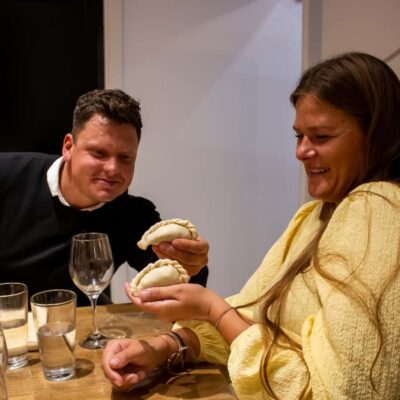
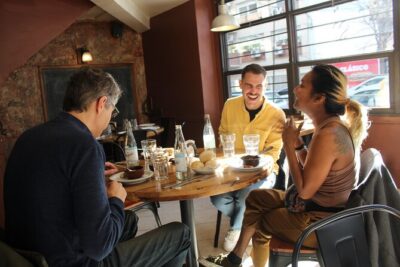
Buenos Aires Food Tour: Local Dishes, Steak, Empanada & More
Read our review →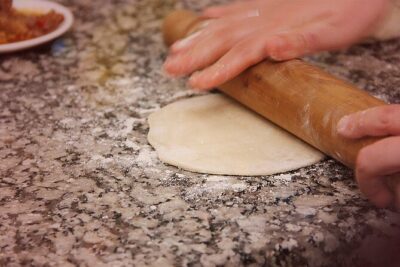
BA: Empanadas and Alfajores Cooking Experience in Palermo
Read our review →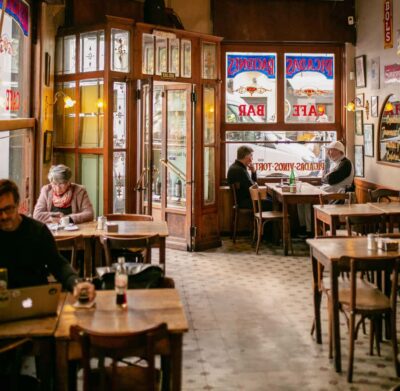
Historical Guided Tour with Street Food & Drinks
Read our review →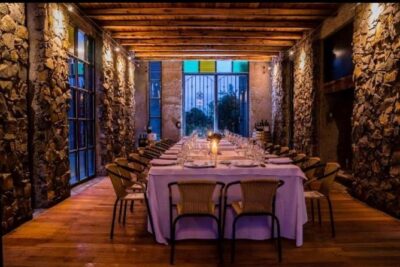
Trapiche and Lunch The Enemy (Michelin) + Private transportation
Read our review →

BA Flavors Food Tour in San Telmo and Boca With Local Guide
Read our review →Browse the lists this tour appears in