
Reviewed · BUENOS AIRES NEIGHBOURHOOD TOURS
Buenos Aires: Empanada & Alfajor Cooking Lesson in Palermo
Argentina’s best food lesson may be the one that teaches two dishes at once. In Palermo, you make savory empanadas and dulce de leche alfajores, then sit down to eat what you prepared. The folding takes a little practice, but that is part of the fun.
I like the class’s fully hands-on approach, especially the chance to compare ready-made empanada dough with freshly made dough. I also like the cultural side: mate tea, local ingredients, and conversation turn a simple cooking lesson into a friendly introduction to Argentina. The main consideration is that some stages may be demonstrated rather than cooked by every person, particularly in a family group.
Key points to know before booking
- Two Argentine favorites in 150 minutes: Make empanadas first, then bake and assemble dulce de leche alfajores.
- Meat and vegan choices: You can choose a vegan empanada option, which makes the class useful for mixed-diet groups.
- A social food lesson: Mate tea and Argentine food traditions are part of the session, not just cooking technique.
- Good for families: Children and adults can take part, though younger participants may not cook every step themselves.
- Several hosts lead the class: Carolina, Tomas, Catalina, Lourdes, Nyla, and other local instructors appear across different sessions.
- Convenient Palermo meeting point: Meet at Gorriti 4882 or 4886, C1414 CABA. Confirm the exact number before setting out.
Why empanadas and alfajores make such a good class
Empanadas are one of Argentina’s everyday national foods. They are practical, portable, and endlessly adaptable. The filling may be meat or vegetables, while the folded edge, called the repulgue, helps seal the pastry and gives each style its own look.
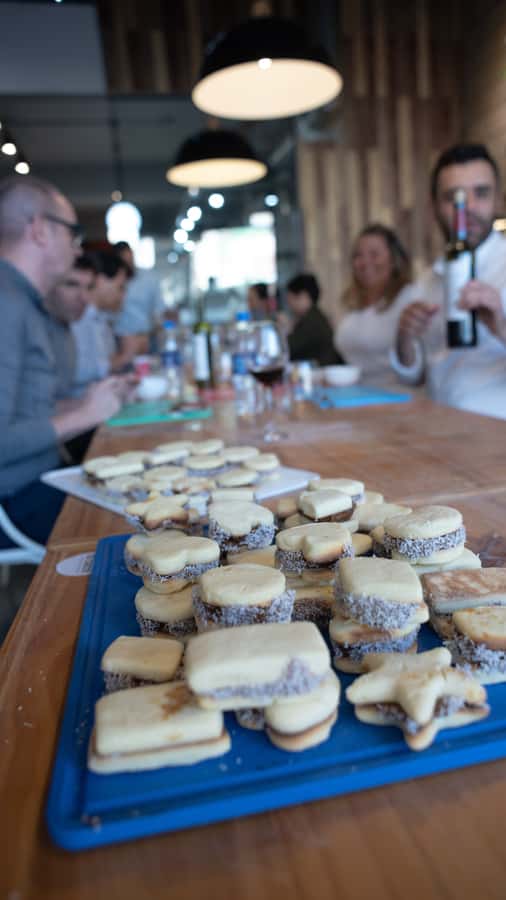
Alfajores offer a completely different lesson. These soft cookies are baked, filled with creamy dulce de leche, and assembled into a sweet sandwich. The contrast works well: you learn a savory dish with a bit of shaping skill, then finish with a dessert that rewards careful mixing and baking.
I like this pairing because it shows two sides of Argentine food. Empanadas belong at casual meals and gatherings, while alfajores are tied to the country’s strong love of sweets and dulce de leche. You do not need advanced cooking skills, and the recipes are familiar enough to try again at home.
The class is also more useful than a simple tasting. You handle the ingredients, see how the dough behaves, and learn the folding technique directly from a local instructor. If you already cook regularly, you may still pick up useful tips. One experienced home cook said the lesson taught her a great deal despite already knowing how to make empanadas.
Other barrios worth walking in Buenos Aires:
- Buenos Aires: La Boca Guided Walking Tour in English
★ 4.8 · 1,587 reviews - Palermo: Graffiti and Street Art Guided Tour in English
★ 4.8 · 684 reviews - Buenos Aires: Puerto Madero Sunset Cruise with Open Bar
★ 4.1 · 439 reviews
Meeting your Palermo host at Gorriti Street
The class takes place in Palermo, one of Buenos Aires’s most popular areas for restaurants, cafés, bars, and independent shops. The stated meeting location is Gorriti 4882, while the practical information also gives Gorriti 4886. Those addresses are close, but I would check your confirmation carefully so you do not lose time on a small address mismatch.
There is no hotel pickup or drop-off. You make your own way to the meeting point, so allow extra time if you are crossing Buenos Aires from another neighborhood. The activity is indoors and goes ahead in rain or sunshine.
Your instructor may be Carolina, Tomas, Catalina, Lourdes, Nyla, or another member of the local team. The individual style can vary, but the common thread is direct instruction and a warm, conversational setting. Carolina is praised for taking guests through every step, Tomas for giving clear cooking tips, and Catalina for keeping people involved while maintaining a relaxed mood.
The class is offered in English, Spanish, and Portuguese. If you have a food question or need help with a technique, being able to communicate clearly matters more than having prior cooking experience.
The first lesson: shaping Argentine empanadas
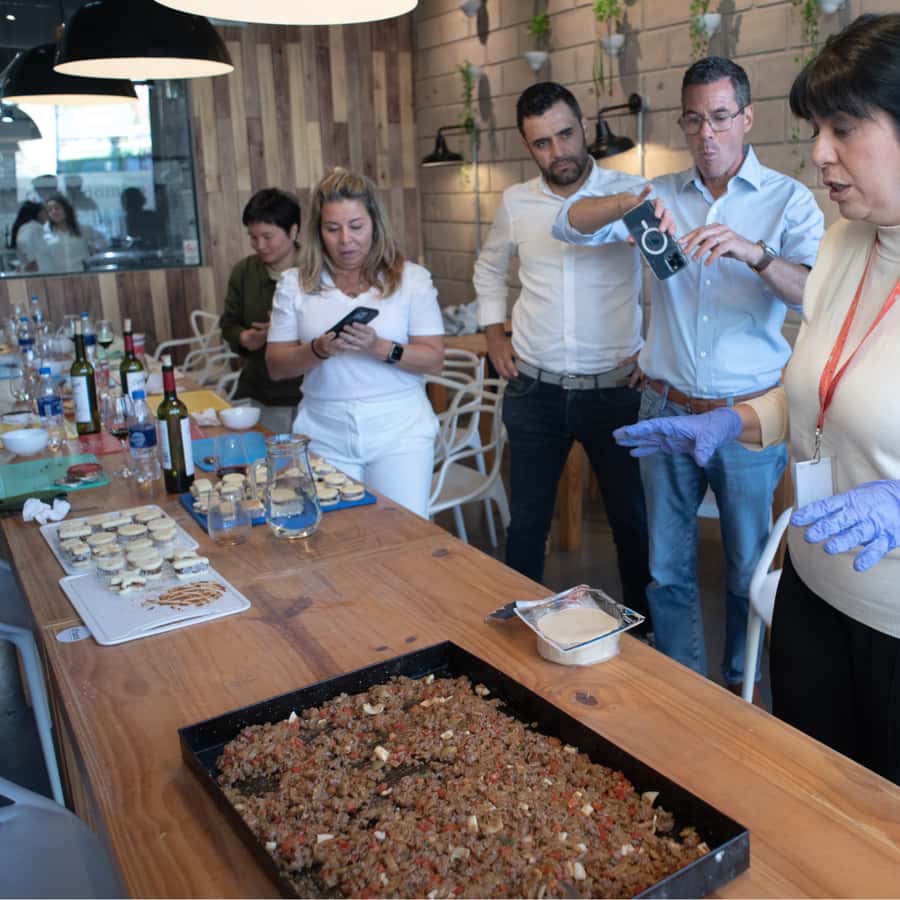
The class begins with empanadas, the more savory and practical of the two dishes. Your host introduces the ingredients and explains how the filling and dough work together. Meat and vegan options are available, so you can choose a preparation that fits your diet.
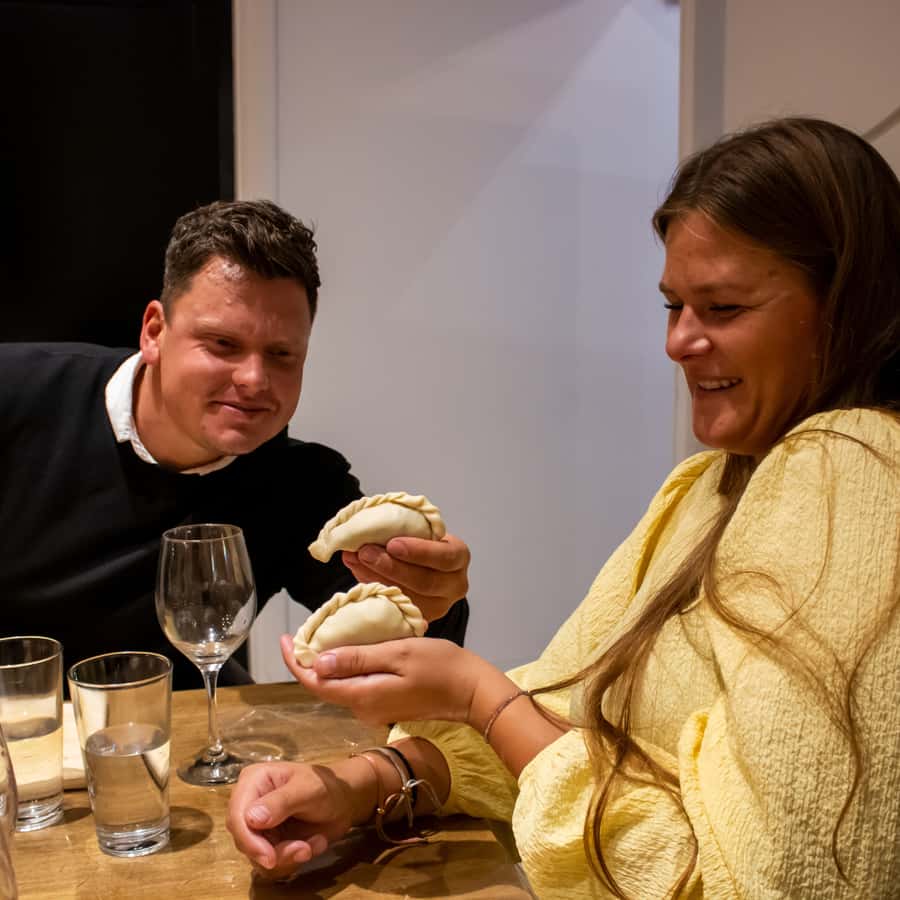
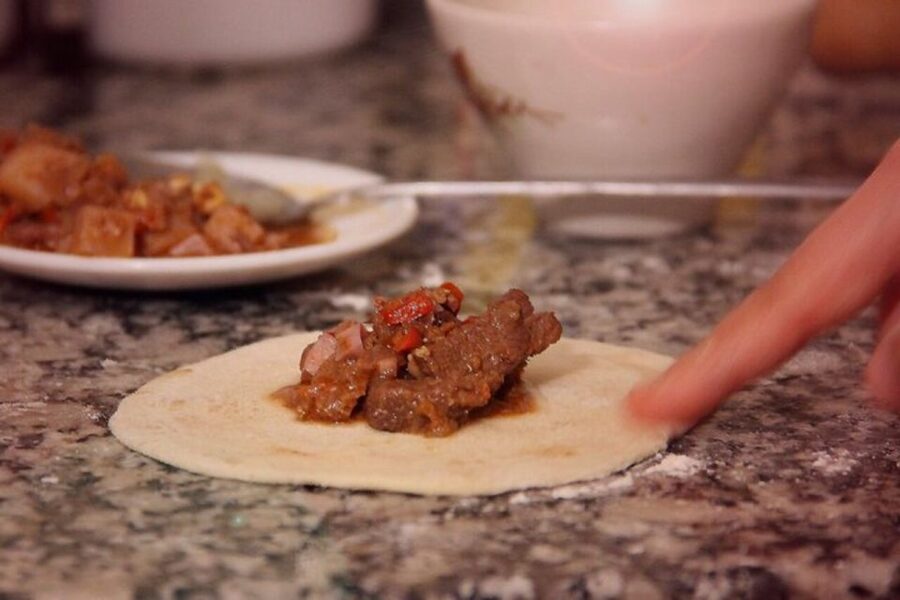
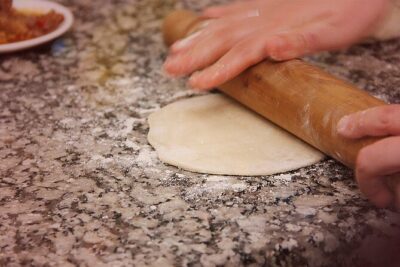
The most enjoyable part is the hands-on shaping. You fill the pastry, seal it, and work on the decorative folded edge. It is not difficult, but it is easy to make a messy first attempt. That is useful. You quickly see how much filling the dough can hold and how firmly you need to close the edges.
One especially helpful feature is the chance to compare packaged empanada dough with freshly made dough. This gives you a practical choice for cooking at home. Fresh dough may offer a more personal result, but prepared rounds can save time on a busy evening. A good class should show you both options rather than pretend that every home cook has time to make everything from scratch.
The vegan option is another strong point. It means a couple or family does not need to split up and take different activities just because one person avoids meat. The ingredients and exact fillings may vary by session, so ask your instructor if you have allergies or strict dietary needs.
Once the empanadas are prepared, they are cooked for the group to eat. The experience is not just a demonstration followed by a tiny sample. Past sessions have provided enough food for a satisfying meal, with some hosts packing leftovers to take away. Still, do not treat leftover portions as guaranteed, since they depend on the group and how much is made.
Folding technique is part of the fun
The repulgue deserves its own mention. It is the small, twisted edge that keeps the filling inside and helps identify different empanada styles. Your first few may look uneven. That is normal, and the instructor can show you how to pinch and turn the dough.
I like this detail because it gives you a skill you can repeat at home. You are not simply placing filling into a pastry and sealing it with a fork. You are learning a recognizably Argentine touch, one that makes the finished food feel connected to local cooking.
For children, this can be the most engaging part of the lesson. It is tactile and easy to understand, even if the folds are not perfect. Parents should expect a little mess and some shared work. One family-oriented session had participants ranging from age 11 to 48, and the activity suited the whole group.
More eating your way around Buenos Aires:
- Buenos Aires: Local Foodie Adventure with Sherpa Food Tours
★ 4.9 · 670 reviews - Buenos Aires: Empanadas and Alfajores Guided Cooking Class
★ 4.8 · 486 reviews - Buenos Aires Food Tour: Local Dishes, Steak, Empanada & More
★ 5.0 · 118 reviews - BA: Empanadas and Alfajores Cooking Experience in Palermo
★ 5.0 · 112 reviews
Baking and assembling dulce de leche alfajores
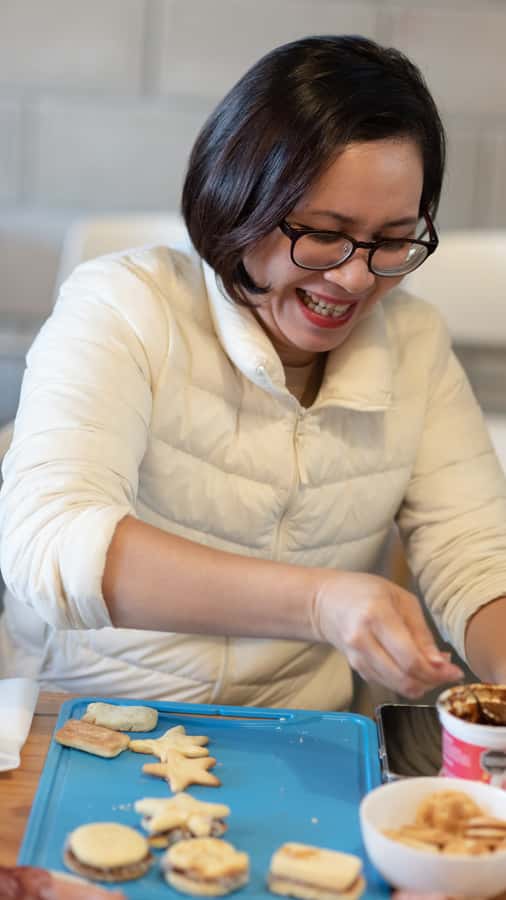
After the empanadas, the class turns to alfajores. You mix the cookie dough, prepare the rounds, bake them, and assemble the finished treats with dulce de leche. This section takes you from basic ingredients to a recognizable Argentine dessert in a short time.
Dulce de leche is the star here. Its smooth, caramel-like sweetness makes the cookies rich, so the amount used during assembly matters. Your host guides you through spreading or piping the filling and joining the cookies without breaking them.
The alfajores are often the surprise favorite for people who came mainly for empanadas. They are simple in appearance but satisfying to make, and the finished cookies travel well enough to inspire another batch at home. Several people have continued making them after returning home, which says something about how approachable the method is.
You should be aware that baking time and kitchen workflow mean not every person may handle every stage continuously. In a group, the host may divide tasks so that the lesson moves at a sensible pace. That keeps the class from dragging, but it can also mean you watch one step instead of performing it yourself.
Mate tea and the social side of the meal
Mate tea gives the class its cultural center. You do not just prepare food in isolation. Your host explains local food habits and serves mate during the lesson, creating time for conversation about Argentine life and eating customs.
Mate is more than a hot drink in Argentina. It is closely tied to hospitality and social connection. Sharing it during a cooking class helps explain why food in Argentina is often about time together as much as the dish itself.
The final meal is a natural finish. You eat the empanadas and alfajores you helped prepare, chat with the group, and continue the cultural conversation. Some sessions have also included wine, but wine is not listed among the included items, so I would not book this expecting it. Mate tea, ingredients, and the local instructor are the reliable inclusions.
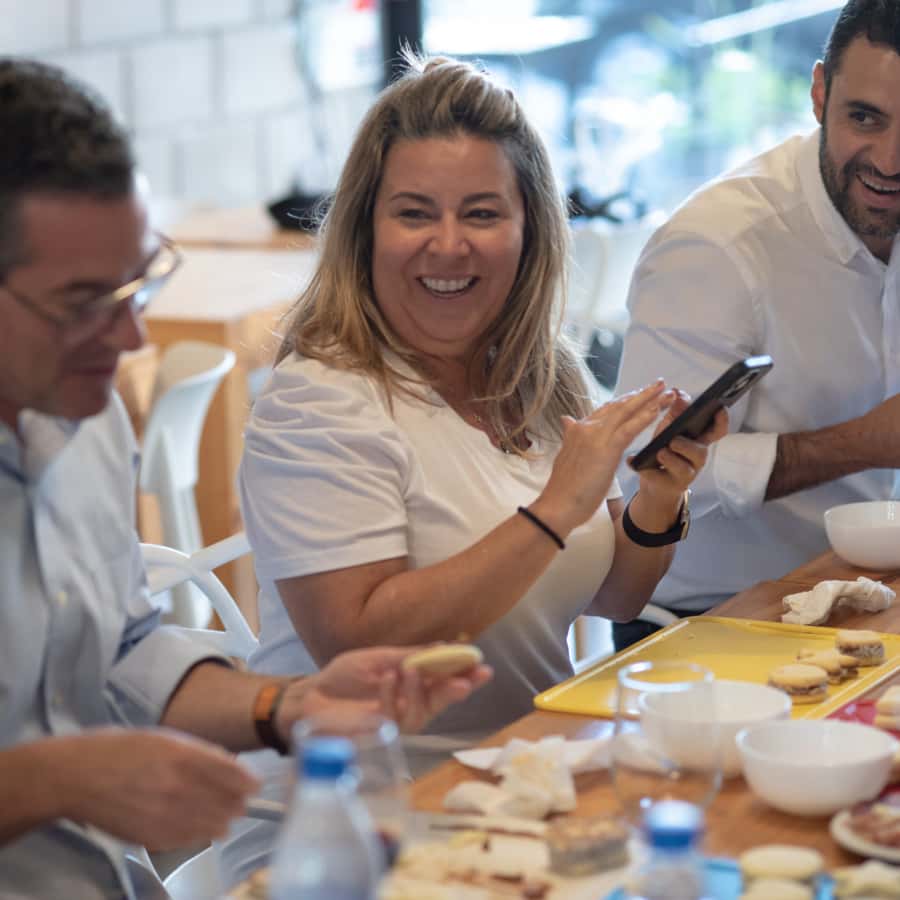
The group atmosphere can be a major part of the value. You may meet people from several countries while cooking side by side, and the format gives you something easy to talk about. It feels less formal than a lecture and more structured than simply going out for a meal.
What the $49 price delivers
At $49 per person, this is not the cheapest way to eat empanadas and alfajores in Buenos Aires. You can buy both foods for less at bakeries, cafés, or casual restaurants. The price makes more sense when you count the instruction, ingredients, guided preparation, cultural explanation, and meal at the end.
You are paying for participation rather than just a plate. The class also gives you techniques you can reuse, including dough handling, filling, sealing, and alfajor assembly. If you make the dishes again at home, the value continues after your trip.
The 150-minute length is well judged for a food activity. It gives you enough time to cook both dishes without turning the session into a full-day commitment. You can fit it into a Buenos Aires itinerary alongside time in Palermo or another neighborhood.
I would consider it good value for families, couples, and solo visitors who enjoy learning by doing. It is less compelling for someone who wants a quick meal, dislikes group activities, or has no interest in recreating the dishes later.
Who will enjoy this Palermo cooking class most
This is a strong choice for families. Children can help with mixing, shaping, filling, and decorating, while adults can focus on dough texture and cooking technique. The class is also a welcome break from sightseeing, especially on a trip filled with museums and long walks.
Couples and friends get a shared activity with a built-in meal. Solo visitors can join a group without the awkwardness of eating alone, since the cooking provides an easy way to meet people.
The class suits first-time cooks, but it also has something for people who already spend time in the kitchen. Comparing fresh and prepared dough, learning an Argentine folding style, and understanding the balance of dulce de leche can all be useful at home.
It may be less suitable if you need a completely private lesson. The activity is described as a class, and one family-oriented comment notes that some participants had more active cooking time than others. If every person in your party wants to perform every step, ask the operator about group size and task rotation before booking.
Practical details that affect your decision
The activity lasts 150 minutes, and start times vary by availability. Give yourself enough time to reach Palermo, since there is no hotel transfer.
The meeting point is listed as Gorriti 4882 and Gorriti 4886 in Palermo, Buenos Aires. Check the exact address in your booking details. This is the one small logistical point I would not ignore.
The class is wheelchair accessible, and it runs in all weather. English, Spanish, and Portuguese are available. Free cancellation is offered up to 24 hours before the activity for a full refund, and you can reserve now and pay later if you want to keep your plans flexible.
Ask about allergies before the lesson begins. Meat and vegan empanada choices are specifically available, but the supplied details do not confirm every possible dietary restriction or ingredient substitution.
Should you book this Argentine food lesson?
I would book it if you want more than a restaurant meal and like bringing a practical memory home. The combination of empanadas, alfajores, mate, and local instruction gives you a compact introduction to Argentine food culture.
The strongest reasons to go are the hands-on work, the generous amount of food, and the friendly teaching style found across hosts such as Carolina, Tomas, and Catalina. The main tradeoff is that a group format may require you to watch some steps instead of doing every one yourself.
Book this class for a family afternoon, a relaxed Palermo activity, or a useful break from city sightseeing. Skip it if you only want a fast tasting or if you prefer a private kitchen lesson. For most food-loving visitors, $49 is a fair price for a meal, a cultural exchange, and two recipes you can attempt long after Buenos Aires is behind you.
FAQ
How long does the Buenos Aires empanada and alfajor class last?
The experience lasts 150 minutes.
Where does the cooking class meet?
The meeting point is on Gorriti Street in Palermo, Buenos Aires. The information gives Gorriti 4882 and also Gorriti 4886, so confirm the exact address before going.
What dishes will I make?
You will prepare Argentine empanadas and dulce de leche alfajores.
Are vegan empanadas available?
Yes. Meat and vegan empanada options are available.
Is mate tea included?
Yes. Local mate tea is included.
Is hotel pickup included?
No. Hotel pickup and drop-off are not included.
What languages are available?
The live guide can conduct the experience in English, Spanish, or Portuguese.
Is the activity wheelchair accessible?
Yes. The experience is listed as wheelchair accessible.
Can I cancel for a full refund?
Yes. You can cancel up to 24 hours in advance for a full refund. You can also reserve now and pay later.
More Cooking Classes in Buenos Aires
- Argentinian Empanadas Cooking Experience in Palermo, Bs As
★ 4.8 · 50 reviews - Premium Empanadas Cooking Class & Wine Tasting Experience
★ 4.9 · 35 reviews - 3h Cooking Class in Mendoza with 7 Recipes & Bottomless Drinks
★ 5.0 · 125 reviews
Just added in Buenos Aires
- Buenos Aires: Speakeasy & Mixology Bar Tour with Cocktails★ 5.0 · 5 reviews
- Premium Empanadas Cooking Class & Wine Tasting Experience★ 4.9 · 35 reviews
- Buenos Aires: Small-Group Wine Tasting★ 4.8 · 18 reviews
- Buenos Aires: Rojo Tango Show with Optional Dinner★ 3.4 · 3 reviews
- Buenos Aires: Santa Susana Ranch Day Tour, BBQ & Shows★ 4.6 · 32 reviews
- Buenos Aires:Small Group Tour AM & Sunset Open Bar Cruise PM★ 4.5 · 15 reviews
- Buenos Aires: Private Photo Tour for Ammateur Photographers★ 4.9 · 5 reviews
- Buenos Aires: Private Recoleta Cemetery Walking Guided Tour★ 4.6 · 13 reviews
Buenos Aires Neighbourhood Tours, compared.
BA: Empanadas and Alfajores Cooking Experience in Palermo
Read our review →
Buenos Aires Bike Tour: North Districts, Recoleta and Palermo
Read our review →
Historical Guided Tour with Street Food & Drinks
Read our review →Browse the lists this tour appears in