
Reviewed · ARGENTINE FOOD & EMPANADA TOURS
Buenos Aires: Empanadas and Alfajores Guided Cooking Class
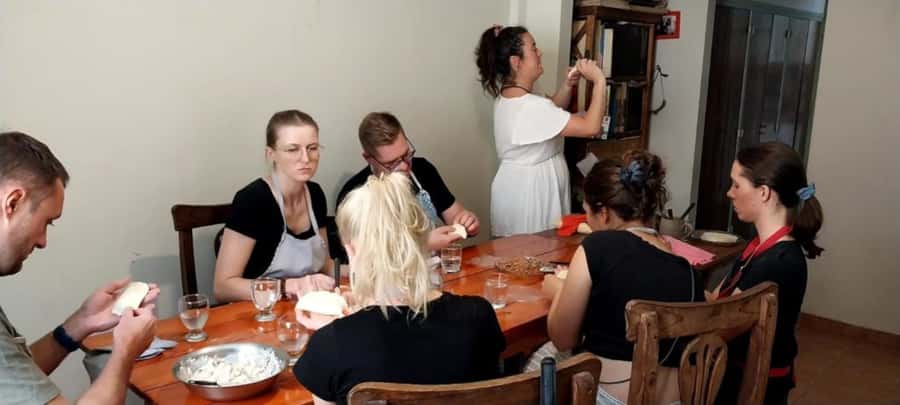
The best part of this Buenos Aires food class is the setting: you cook inside a real Argentine home rather than a polished school kitchen. Over three hours in San Telmo, you make empanadas, alfajores, and mate with hosts such as Thomas and Sophia, then share the meal around a table.
I especially like the small group of up to eight, which gives you room to work with your hands and ask questions. I also like that the class covers more than food: the mate ritual, Argentine customs, and local conversation make this feel like a warm evening with a family.
The main consideration is that the class can be a little tight around the worktable. If you are at the far end, some demonstrations may be harder to see, and the empanada filling may be repeated rather than offered in several varieties.
Key points to know
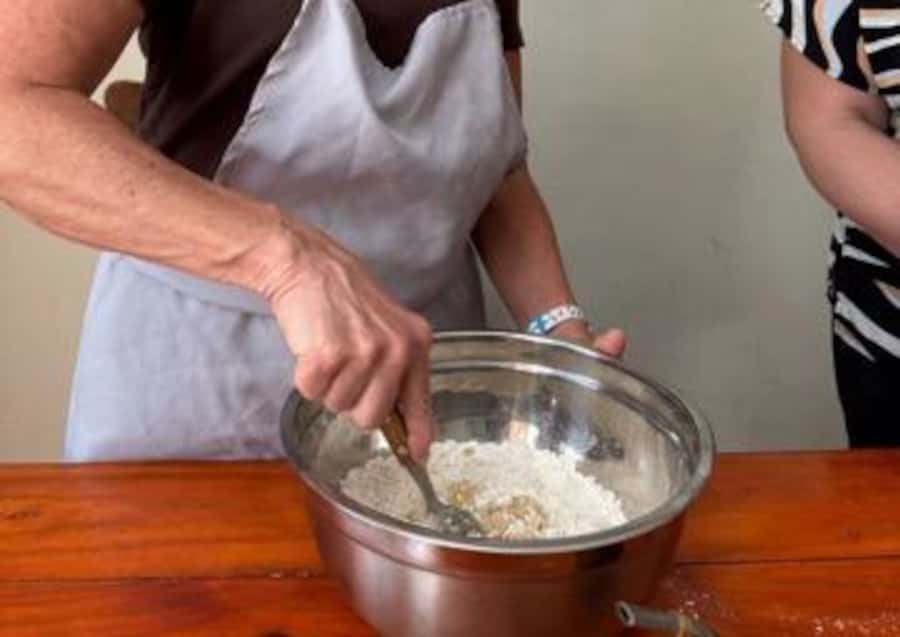
- Cook in a real San Telmo home: The class takes place at Paseo Colon 1355, where you ring the bell and enter a lived-in Argentine setting.
- Learn the repulgue: You shape and seal empanadas with the classic twisted edge, one of the most useful skills to take home.
- Make both savory and sweet dishes: The menu includes empanadas plus cornstarch alfajores filled with dulce de leche.
- Understand mate properly: You learn how to prepare and share Argentina’s famous herbal drink, not simply taste it.
- Plan for plenty of food: Ingredients, mate, water, and the meal are included. Wine costs extra.
- Good for mixed ages and abilities: Families, teenagers, beginners, and experienced home cooks can all take part.
A home kitchen instead of a cooking school
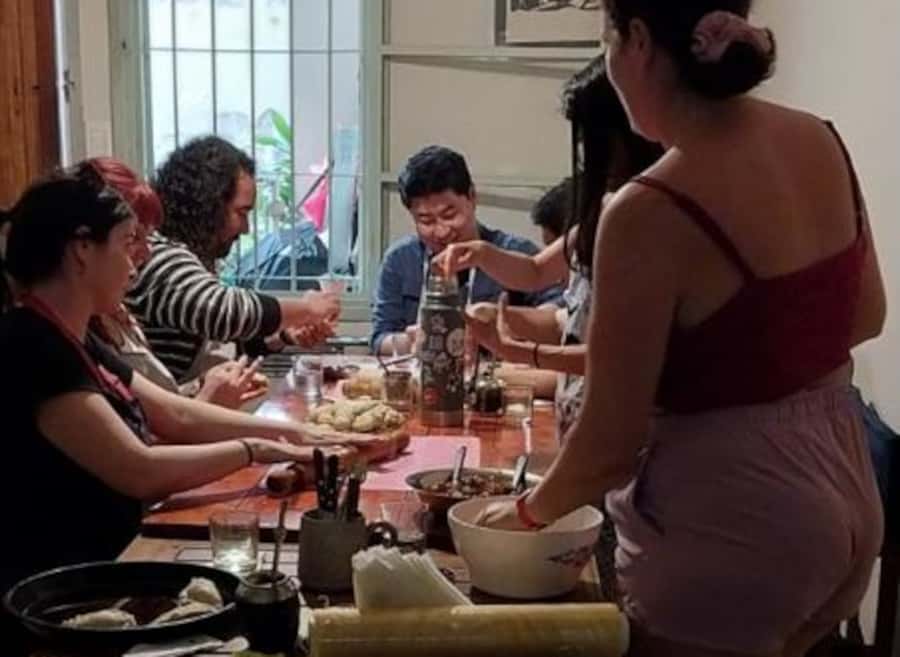
Your meeting point is Paseo Colon 1355 in San Telmo. Arrive at the scheduled start time and ring the bell. The class is held in a private home, an important detail if you want a personal encounter rather than a formal demonstration.
The household setting shapes the whole evening. You are not seated in rows watching a chef work from a distance. You help prepare the food, handle the dough, shape the empanadas, and take part in the meal. The hosts also make space for conversation about Buenos Aires and Argentine customs.
The home has a cozy feel, and one family has even hosted classes in a house more than 100 years old. That does not mean you should expect a museum visit. The appeal is the ordinary setting: a kitchen, a table, shared food, and hosts who welcome you into their daily world for a few hours.
The small-group format matters here. With no more than eight participants, the class feels social without becoming a large production. You may be cooking with couples, families, or people from several countries. The atmosphere tends to become friendly quickly, though a short introduction from each participant at the start would make it easier to connect.
More eating your way around Buenos Aires:
- Buenos Aires: Local Foodie Adventure with Sherpa Food Tours
★ 4.9 · 670 reviews - Buenos Aires: Empanada & Alfajor Cooking Lesson in Palermo
★ 4.6 · 186 reviews - Buenos Aires Food Tour: Local Dishes, Steak, Empanada & More
★ 5.0 · 118 reviews
Making empanada dough and fillings
Empanadas are one of Argentina’s most practical foods. They can be baked or fried, eaten as a snack or meal, and filled with meat, ham and cheese, or vegetables. In this class, you work through the process from dough to finished pastry.
The instruction covers the dough, the filling, and the all-important repulgue, the twisted or folded edge that seals the empanada. This is the skill that makes the class useful after you leave. You can know a good filling recipe, but if the seal opens in the oven or pan, the result is messy. Here you get a chance to practice the shape yourself.
The class includes a meat option and vegetarian alternatives. That is useful for mixed groups, since not everyone at the table needs to eat the same filling. Still, if you want several different flavors, set your expectations carefully. The menu may use the same meat filling more than once rather than offering a broad tasting of regional styles.
This is hands-on cooking, but you should not expect a professional culinary course with exact measurements and lengthy technical instruction. The class is designed for ordinary home cooks. Beginners can take part, though the pace may feel easier if you are comfortable chopping, mixing, and following a spoken demonstration.
A few practical points improve the session. Sit where you can see the work surface, especially if the group is full. If you are at the end of the table, politely move closer during demonstrations. One participant found that some steps were difficult to see from the side, so your position can affect how much you catch.
The mate ritual between cooking steps
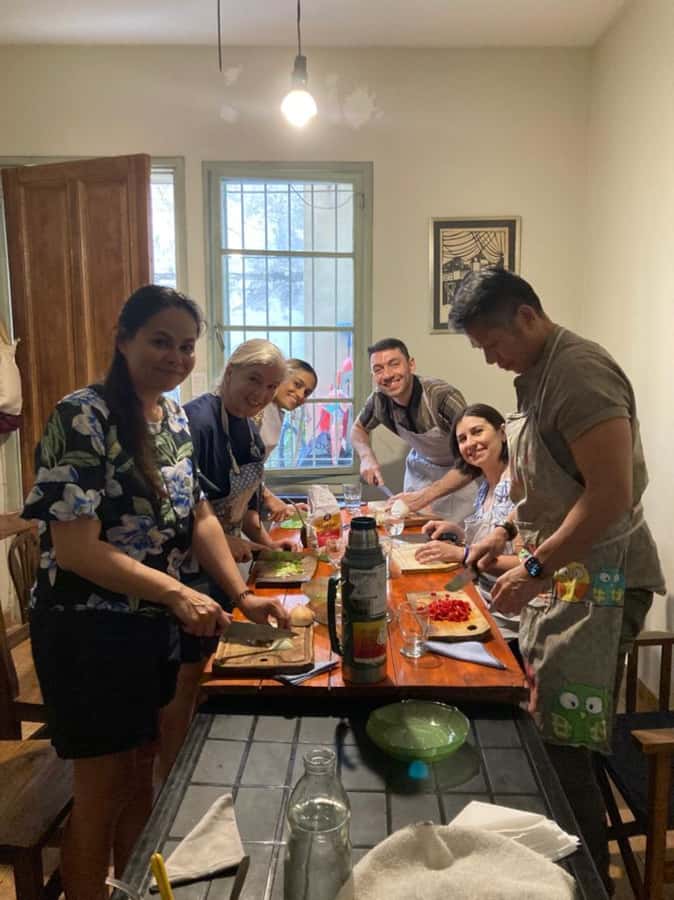
Mate is not just a drink in Argentina. It is a social ritual, and this class shows you how it is prepared and shared.
You learn the traditional method of preparing the herbal drink and have mate during the cooking session. That pause works well because it gives your hands a break while opening a conversation about Argentine life. The class does not treat mate as a novelty drink to sample once. You learn the basic method and the custom around sharing it.
For many people, this is the most culturally useful part of the evening. Empanadas and alfajores are easy to find in Buenos Aires, but understanding mate gives you a better sense of how people gather and spend time together. The drink becomes a reason to sit, talk, and pass something around.
The included mate, water, and meal keep the price simple. Wine is not included, but it is available to buy if you want a glass with dinner. You do not need to purchase wine to enjoy the class.
Alfajores with cornstarch and dulce de leche
The sweet course focuses on cornstarch alfajores, a classic Argentine pastry with a soft, delicate texture. You prepare the cookie portion and add the essential creamy dulce de leche filling.
This makes a good contrast with the empanadas. The savory pastry requires sealing and shaping, while the alfajores show how Argentina turns simple pantry ingredients into a much-loved treat. You also get the satisfaction of making the dessert from scratch instead of receiving a pre-made sample.
Dulce de leche is central to Argentine baking, and the alfajores give you a clear introduction to it. The filling is sweet and creamy, so this is not a restrained dessert. If you have a strong sweet tooth, you will be happy. If not, share one with someone at the table.
The class is generous with food. You eat the empanadas and alfajores you make, and there may be enough to take away if you cannot finish everything. Plan accordingly. This is not a light snack before another dinner reservation.
A few more things to do in Buenos Aires worth a look
- BA: Empanadas and Alfajores Cooking Experience in Palermo
★ 5.0 · 112 reviews - Argentinian Empanadas Cooking Experience in Palermo, Bs As
★ 4.8 · 50 reviews - Premium Empanadas Cooking Class & Wine Tasting Experience
★ 4.9 · 35 reviews - 3h Cooking Class in Mendoza with 7 Recipes & Bottomless Drinks
★ 5.0 · 125 reviews
Sitting down to eat what you made
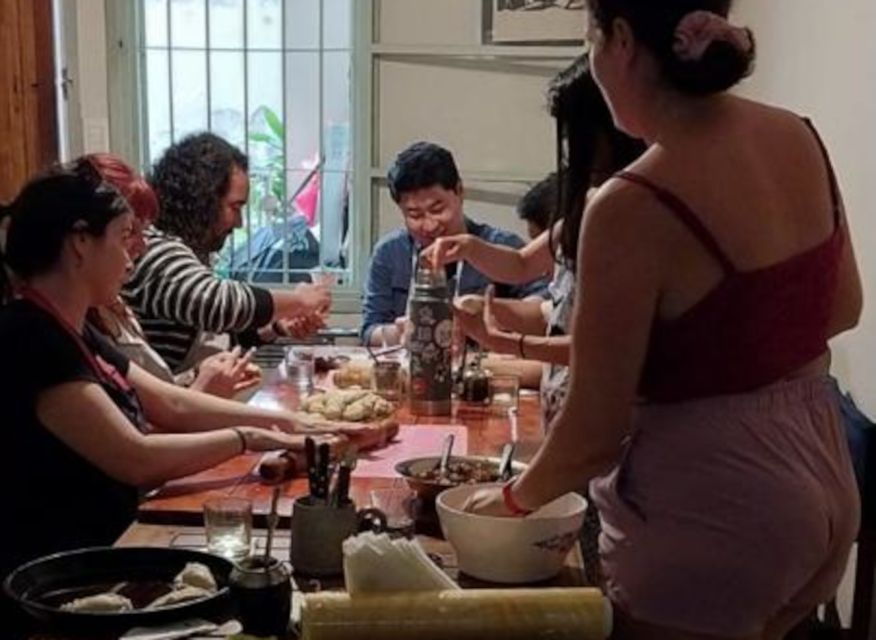
At the end, you sit together and eat the results. This closing meal is a major reason to choose the class instead of a short market tasting.
You have put time into the dough, fillings, sealing, and cookies, so the food feels personal. The hosts continue the conversation while everyone eats, and the mixed group adds an easy social element. People arrive as strangers and often leave with a shared table experience.
The hosts are a major part of the appeal. Thomas is described as professional, funny, and relaxed, with a teaching style that does not feel like a classroom lecture. Sophia is praised for explaining both the cooking and the culture, while Maria has hosted people in her home with particular warmth. Since hosts may vary, your exact session may be led by a different combination of family members.
The class also works well for families. Teenagers and children old enough to handle simple kitchen tasks can participate, and a 12-year-old and 16-year-old both enjoyed the activity. A 14-year-old also took part in making the food by hand. Parents should still expect an adult cooking environment rather than a separate children’s program.
The table setup is informal. You may eat from napkins rather than small plates, which one participant found less convenient. That is a minor point, but it helps set expectations: this is a welcoming home meal, not a restaurant service.
Cultural context beyond the recipes
The class does more than teach you how to fold dough. The hosts talk about Argentine food, Buenos Aires, local traditions, and differences in how food is prepared. The history and cultural details give the dishes a place in everyday life.
That context matters because empanadas and alfajores can otherwise become generic holiday souvenirs. Here you learn why they matter at the table, how people make them at home, and how mate fits into social life. You may also pick up useful food tips from the hosts. One host’s wife works as a tour guide and shares suggestions about Buenos Aires, which adds value if this class comes early in your stay.
The instruction is conducted in English or Portuguese. English explanations are clear enough for most visitors, but the class remains informal. If you need every measurement written down or prefer a highly structured culinary lesson, ask questions as you go.
Recipes are generally shared afterward, but make sure you receive them before leaving. Some participants had to follow the host on Instagram and ask directly. That is an easy problem to avoid: confirm the recipe handout or digital copy at the end of the class while everyone is still together.
Is $37 a fair price?
At $37 per person, this is good value if you want a meal, a cooking lesson, and a cultural activity in one booking. The price includes the class, ingredients, mate, water, and the food you prepare. You are not paying separately for a tasting menu or a drink lesson.
The value is strongest for anyone who would otherwise book both a food tour and a casual dinner. You get three hours of guided activity, plenty to eat, and a chance to meet people from different countries. The intimate setting also gives you a type of local contact that a large group tour cannot provide.
The price is less compelling if you only want to taste Argentine food without cooking. You will spend much of the three hours preparing dough, fillings, cookies, and mate. A restaurant meal is faster, and a bakery visit offers more variety. This class earns its price through participation and conversation, not through a long list of dishes.
Wine is available for purchase, but not included. Keep that in mind if you are comparing the total cost with a class that includes drinks.
Timing, access, and who should book
The class lasts three hours, with several possible starting times depending on availability. An evening booking works naturally because you finish with a shared meal, but the best time for you depends on your Buenos Aires plans.
The meeting point is in San Telmo, at Paseo Colon 1355. The activity is wheelchair accessible, though the home setting means you may want to confirm any specific access needs before booking. The supplied details identify English and Portuguese as the class languages.
I would recommend this for:
- Couples who want a relaxed evening activity
- Solo visitors who enjoy meeting people over food
- Families with older children or teenagers
- Beginners who want recipes they can repeat at home
- Anyone interested in Argentine culture beyond steak and wine
I would be more cautious if you dislike group participation, need a large professional kitchen, or want to sample many different empanada fillings. The class has a warm social focus, and some of the instruction may be harder to follow from the end of the table.
Cancellation is flexible up to 24 hours before the start for a full refund, and you can reserve now and pay later. Those terms help if your Buenos Aires schedule is still changing.
Should you book this Buenos Aires cooking class?
Book it if you want to spend an evening doing something with your hands and talking with locals. The strongest features are the real-home setting, the small group, the mate ritual, and the chance to eat food you prepared yourself.
You should also book it if you want a practical souvenir. The repulgue technique, empanada dough, and dulce de leche alfajores are skills you can try again at home, especially if you remember to collect the recipes before leaving.
Skip it if your priority is a large tasting of regional Argentine dishes or a polished chef-led workshop. For most visitors, though, $37 buys a generous and personal introduction to everyday Argentine food, with enough conversation and food to make the three hours feel well spent.
FAQ
Where does the cooking class take place?
The class takes place at Paseo Colon 1355 in San Telmo, Buenos Aires. Go to the address at the scheduled start time and ring the bell.
How long does the activity last?
The cooking class lasts three hours.
What foods will I prepare?
You will prepare Argentine empanadas with savory fillings and alfajores made with cornstarch and dulce de leche.
Will I learn how to prepare mate?
Yes. The class teaches the traditional method of preparing and sharing mate, Argentina’s herbal drink.
Is food included?
Yes. Ingredients, mate, water, and the meal are included. You eat the food prepared during the class.
Is wine included?
No. Wine is available for purchase but is not included in the price.
What languages are offered?
The class is offered in English and Portuguese.
How many people are in the group?
The group is limited to eight participants. The activity is also wheelchair accessible.
Just added in Buenos Aires
- Buenos Aires: Small-Group Wine Tasting★ 4.8 · 18 reviews
- Buenos Aires: Speakeasy & Mixology Bar Tour with Cocktails★ 5.0 · 5 reviews
- Premium Empanadas Cooking Class & Wine Tasting Experience★ 4.9 · 35 reviews
- Buenos Aires: Rojo Tango Show with Optional Dinner★ 3.4 · 3 reviews
- Buenos Aires: Santa Susana Ranch Day Tour, BBQ & Shows★ 4.6 · 32 reviews
- Buenos Aires:Small Group Tour AM & Sunset Open Bar Cruise PM★ 4.5 · 15 reviews
- Buenos Aires: Private Photo Tour for Ammateur Photographers★ 4.9 · 5 reviews
- Buenos Aires: Private Recoleta Cemetery Walking Guided Tour★ 4.6 · 13 reviews
Argentine Food & Empanada Tours, compared.
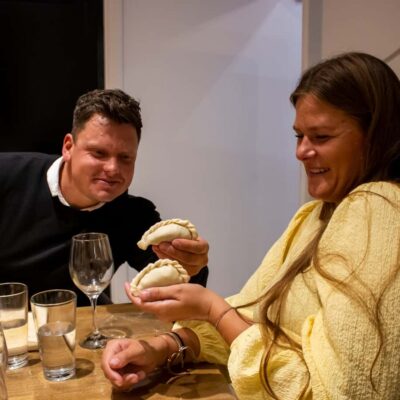
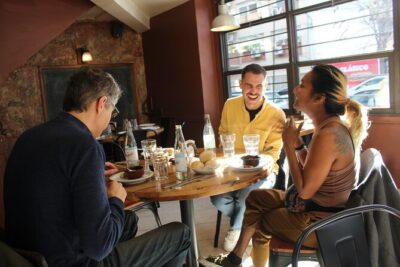
Buenos Aires Food Tour: Local Dishes, Steak, Empanada & More
Read our review →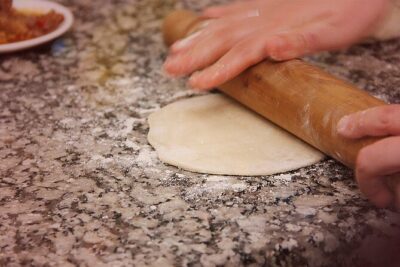
BA: Empanadas and Alfajores Cooking Experience in Palermo
Read our review →
Historical Guided Tour with Street Food & Drinks
Read our review →
Trapiche and Lunch The Enemy (Michelin) + Private transportation
Read our review →

BA Flavors Food Tour in San Telmo and Boca With Local Guide
Read our review →
Traditional Argentine FoodTour with optional Michelin Experience
Read our review →Browse the lists this tour appears in