
Reviewed · CAFAYATE & WINE ROUTE TOURS
From Salta: Cafayate Day Trip with Wine Tasting
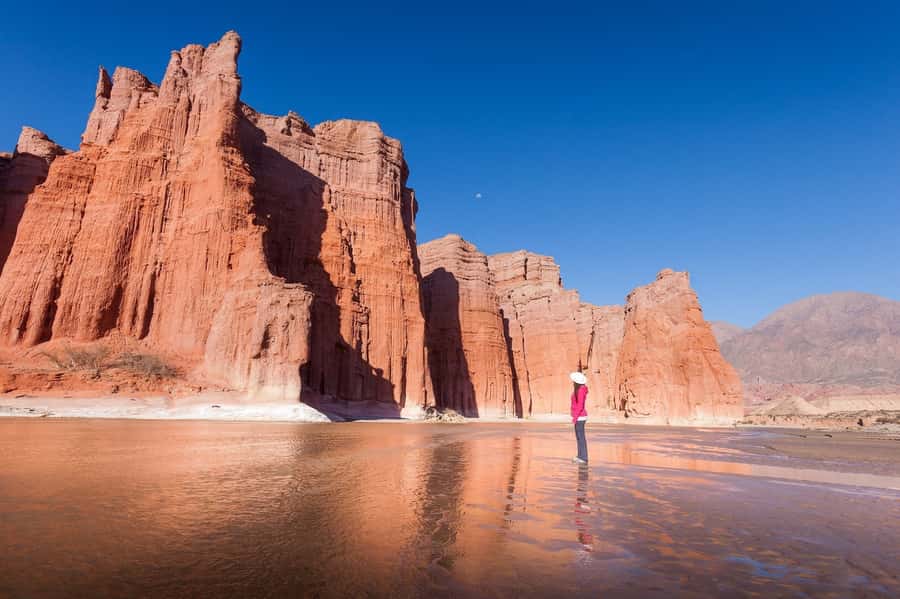
The great prize here is the road itself. South of Salta, the Quebrada de las Conchas opens into a gallery of red cliffs and strange stone shapes, with stops at the Devil’s Throat and Amphitheater. I like the way this trip pairs those grand views with smaller local moments, including Lerma Valley villages and handmade goods along the route.
I also like the chance to taste Torrontés, Argentina’s fragrant white wine, and the two hours set aside in Cafayate for lunch and a walk. The tradeoff is simple: this is a long 12-hour day, with plenty of time on the bus. The winery visit can be brief, and the tasting portions are modest.
Key points
- The Quebrada is the main event: Expect several photo stops among red cliffs, eroded ravines, and unusual rock formations.
- Cafayate gives the day a local finish: You have about two hours for lunch, shops, crafts, ice cream, and a look around town.
- English support depends on the guide: Angie and Jasmine have been especially strong with English-speaking passengers, but the group may be mostly Spanish-speaking.
- The wine tasting is a sample, not a winery tour: You may taste about three wines, including regional varieties, but the visit can last roughly 30 to 40 minutes.
- The price is hard to beat: At $40, transport, a bilingual guide, the tasting, and a full day of sightseeing make this good value.
- Prepare for an early start and a full bus day: Pickup is usually between 6:30 and 7:15 AM, and large groups may be used in peak season.
Why the road to Cafayate is worth a full day
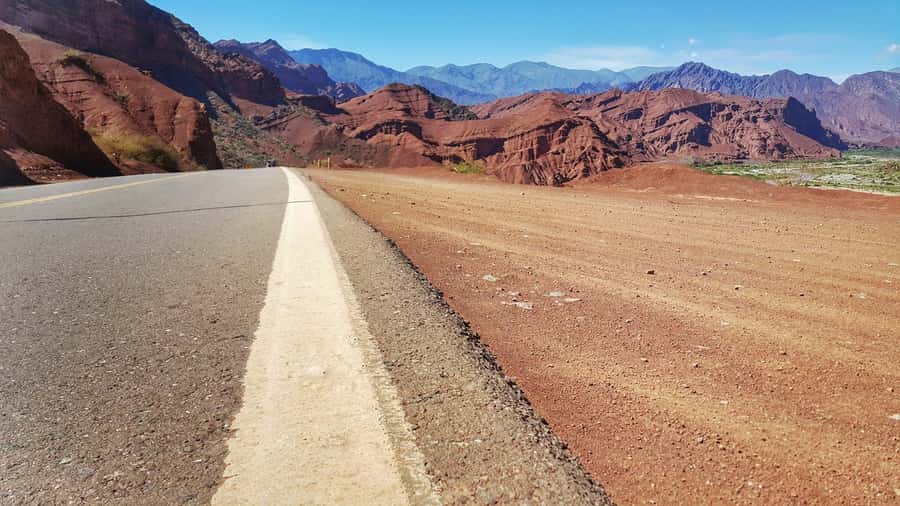
Salta is a fine base for this outing because the scenery changes quickly once you leave the city. The route heads south through the Lerma Valley, where historic villages offer a first look at local life before the red rock takes over.
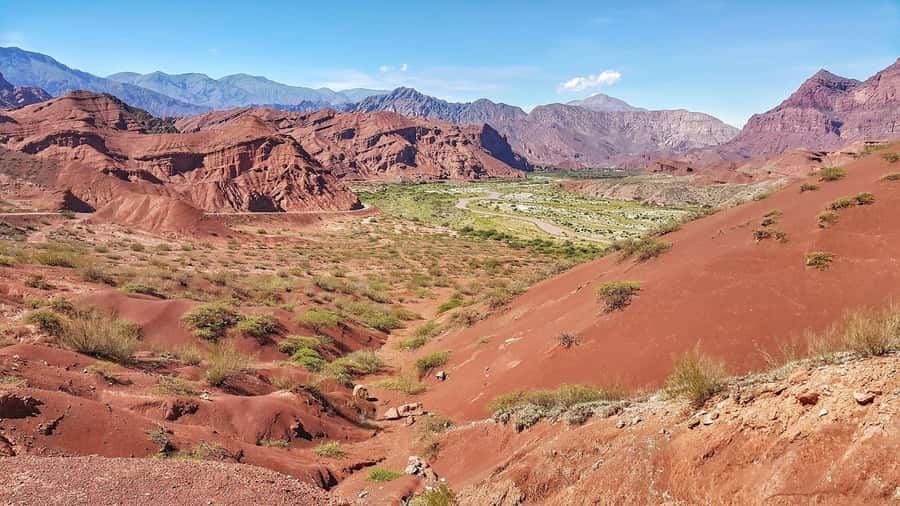
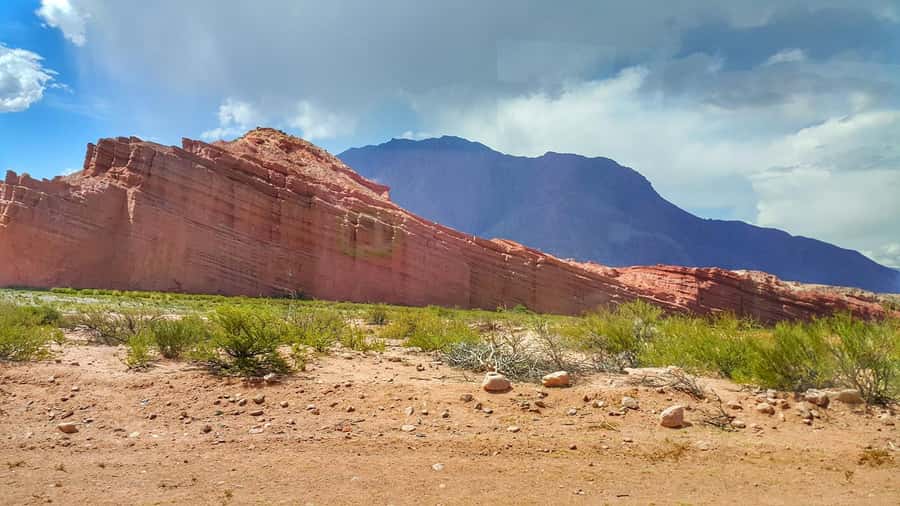
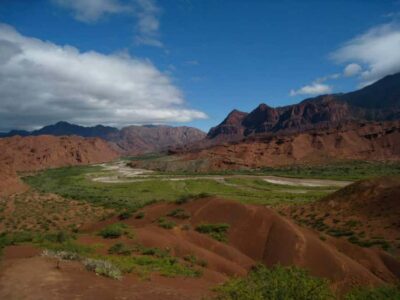
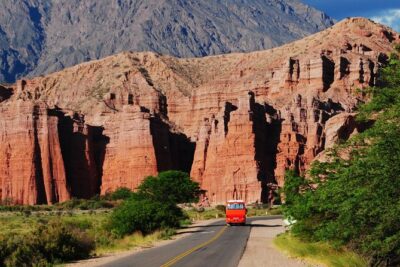
Then comes the Quebrada de las Conchas, a long canyon shaped by water and strong winds. The formations do not look like ordinary mountain scenery. You get walls, towers, narrow cuts, and rounded shapes in shades of red, tan, and orange. The guide usually gives background at each stop, then lets you walk a little, take photos, and look closely at the stone.
I like this format because the day is not just a ride to Cafayate followed by a quick tasting. The route is the attraction. You stop often enough to break up the bus journey, and the most important formations receive proper attention.
Still, you need to set realistic expectations. The distance is substantial, and a 12-hour schedule leaves little room for an unplanned detour. If you want a slow wine holiday with several cellar visits, this is not the right trip. If you want to see the Quebrada without arranging a car, it makes good sense.
Other high-altitude bodegas up here:
- From Salta: Full-Day Tour to Cafayate with Wine Tasting
★ 4.5 · 478 reviews - From Salta: Cafayate, land of wines and imposing ravines
★ 4.4 · 347 reviews - Full-Day Tour Cafayate Calchaqui Valleys with Wine
★ 4.5 · 347 reviews
The early pickup from central Salta
The trip begins at Pje. Gonzalo Abreu 1530, with central hotel pickup available as an option. Hotel pickup generally runs from 6:30 to 7:15 AM and applies to accommodations within about eight blocks of the 9 de Julio central square.
You should be ready 15 minutes early. The bus may not be able to reach every hotel, especially on narrow streets, so you could be asked to walk to another pickup point. One passenger reported being told at the last moment to meet the vehicle rather than receive a hotel pickup, so it is sensible to check your messages before departure.
Transportation may be a minivan or coach, depending on group size. Smaller groups can feel more personal and make stops easier. In peak season, a full-size bus may be used, with passengers meeting at a designated point. A 45-person bus moves more slowly at stops and takes longer to load, so group size affects the feel of the day.
The vehicles have been described as comfortable, but comfort cannot erase the distance. Bring water, keep your daypack small, and plan for a long sitting stretch between stops.
Lerma Valley villages before the red rock
The first part of the route passes through the Lerma Valley and its historic villages. This section is less dramatic than the canyon, but it gives the day a useful sense of place.
You may stop in a small town for a bathroom break, snacks, and a chance to stretch before entering the Quebrada. This is a practical pause, not a major sightseeing stop, so do not expect a long guided visit. It matters because the next section is remote in feel and the drive continues for hours.
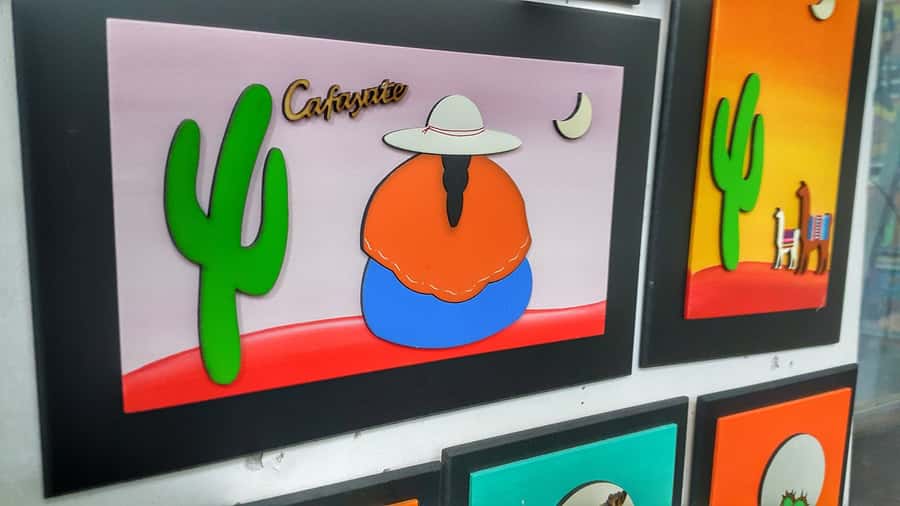
Local stalls and markets can also add texture to the route. Handmade crafts, honey, natural creams, mate cups, and other small goods have been available at stops. One especially memorable local treat mentioned by a passenger was fresh figs at a market stop. You should bring a little Argentine pesos if you want to buy something, though the tour information does not guarantee what will be for sale at each stop.
This is where a good guide makes a real difference. Guides such as Angie and Jasmine have been praised for adding folklore, regional customs, personal stories, and suggestions for food. Angie has also used music and objects from a backpack to make the ride more lively. That kind of personal touch can turn a long transfer into part of the experience.
Devil’s Throat, Amphitheater, and the Quebrada’s stone shapes
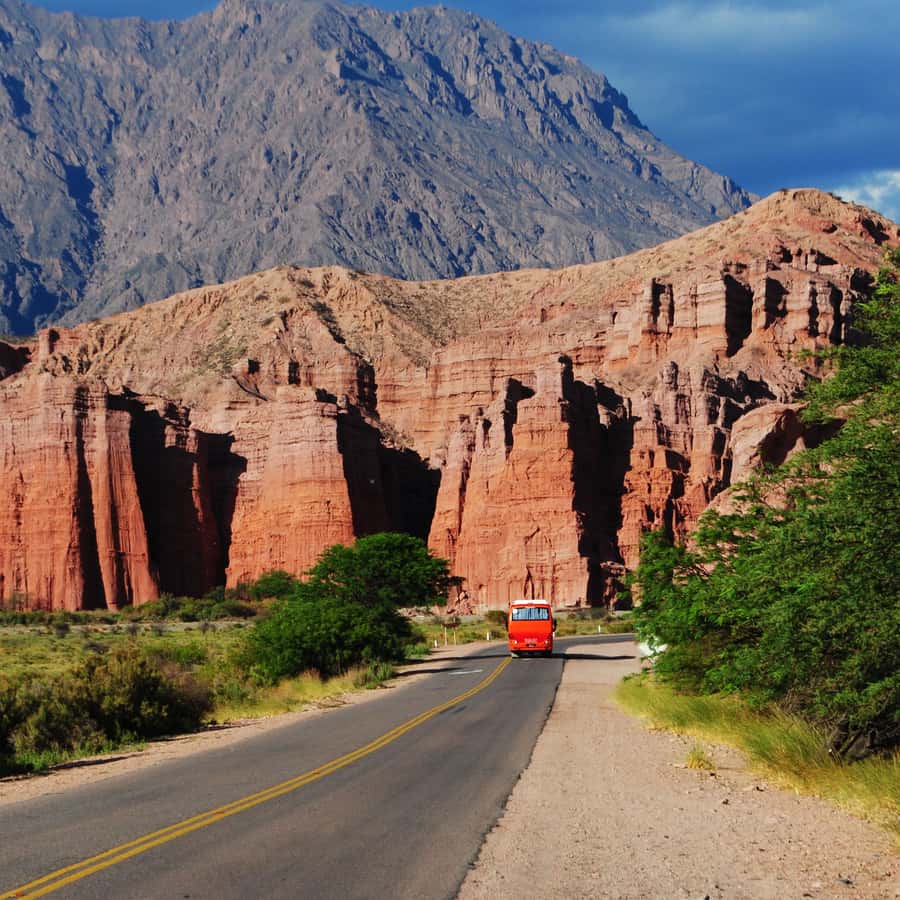
The Quebrada de las Conchas is the visual heart of the trip. The route stops at several formations, including the Devil’s Throat, Amphitheater, and Castles.
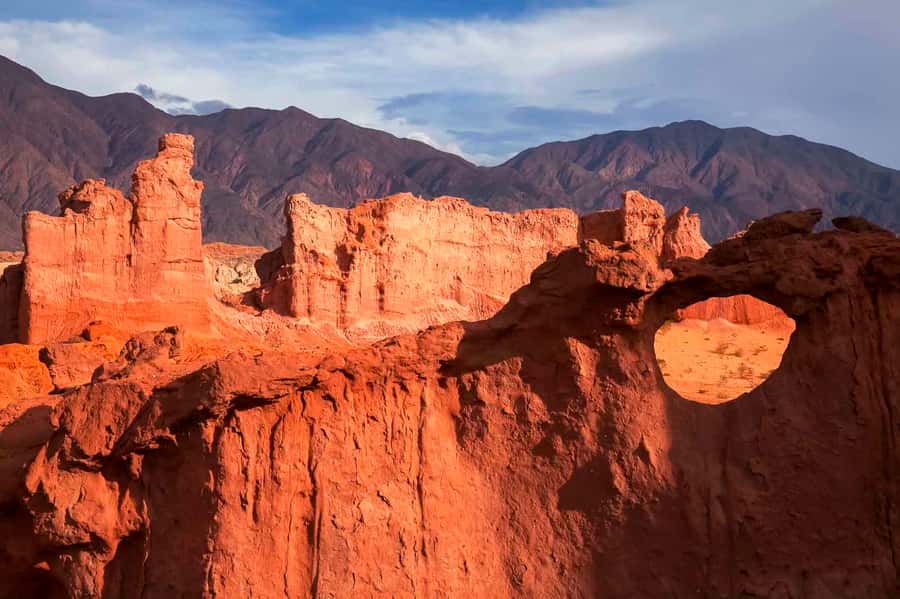
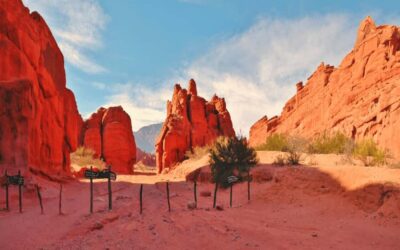
At the Devil’s Throat, the rock walls close in and rise sharply, giving the place its dramatic name. The Amphitheater has a different feel, with curved stone walls that create a natural performance space. The Castles are another example of how erosion has cut the rock into forms that seem built rather than weathered.
You will have time for photos and short walks, but the exact order and length of stops can vary with traffic, group size, and the day’s timing. Wear shoes that are comfortable on uneven ground. The tour is not recommended for people with limited mobility, and it is not suitable for wheelchair users.
The guide’s explanations are valuable here because the formations can blur together if you only see them through a camera. A bilingual guide can explain what you are looking at in both Spanish and English, then help you connect the geology with local stories and place names.
There is one important language detail. The guide may translate throughout the day, but the winery’s own explanation may be in Spanish only. English-speaking passengers have received excellent one-on-one help from guides, but you should not assume every part of the winery visit will be fully translated.
Other days on the wine road from Salta:
- Full-day Cafayate, Lerma Valley, and Wine Tasting from Salta
★ 4.5 · 116 reviews - From Salta:Cafayate and the imposing Quebrada de las Conchas
★ 4.3 · 80 reviews - From Salta: Full-Day Tour to Cafayate, Land of Wines
★ 4.5 · 74 reviews
Cafayate: two hours for lunch and a walk
Cafayate is the midday pause, with roughly two hours for free time. You can use it for lunch, a stroll around the center, local shopping, or ice cream.
The town itself is pleasant, but the Quebrada is the stronger attraction. I would not book this excursion mainly to spend time in Cafayate. Instead, think of the town as a useful break where you can eat and get your bearings before the wine stop and the return route.
A guide may recommend a restaurant with regional dishes and vegetarian choices. Local specialties mentioned during the trip include goat and tamales. Food and drinks are not included, so keep money aside for lunch.
Two hours is enough to enjoy a meal without rushing and still walk around. It can also feel longer than necessary if you have finished eating and shopping. One useful approach is to use the free time for a relaxed meal rather than trying to squeeze in another distant winery. The meeting time matters, and you do not want to be searching for the bus at the end of the break.
Cafayate also has crafts, wines, honey, and other regional products. It is a good place to buy something small, especially if you want a souvenir connected to the area rather than a generic item from Salta.
What the Cafayate wine tasting actually includes
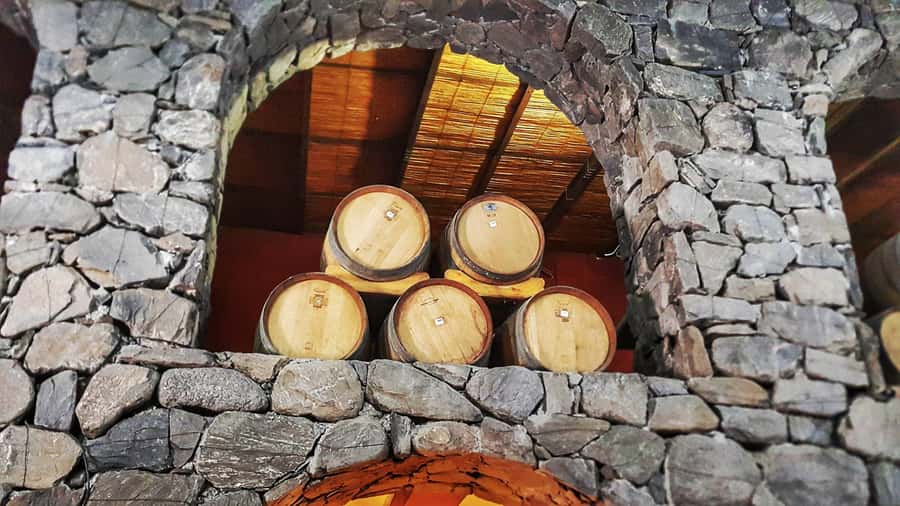
The tasting is a pleasant addition, but it is not the main reason to book the day. The winery stop generally lasts about 30 to 40 minutes, and you may taste around three wines. Torrontés is the key local variety to look for, though the exact wines served can vary.
Torrontés is often associated with Argentina’s northwest and is a natural match for a trip through Cafayate. The tasting gives you a quick introduction to the region’s wine industry and a chance to buy bottles directly from the producer.
You should keep expectations in check. The pours can be very small, sometimes less than a full sip, and the winery presentation may be conducted only in Spanish. That is fine if you see the tasting as a brief regional sample after the canyon. It may disappoint you if you expect a long cellar tour, detailed English instruction, or several generous glasses.
Some passengers have enjoyed meeting a member of a fifth-generation wine family and learning about local production. That personal connection adds value, but it is not guaranteed at every departure. The main benefit is that the stop places the wine in its local setting, after you have seen the dry valleys and high rock walls that shape the region.
The return through the Quebrada
After Cafayate, the vehicle returns to Salta through the Quebrada de las Conchas. In practical terms, this means you see some of the same country again, but the light can change the way the formations look.
The return also makes the day feel longer. You have already been awake since early morning, eaten lunch, walked around Cafayate, and made several stops. A comfortable vehicle and an entertaining guide help, but you should not schedule an important evening activity soon after the expected return.
The positive side is that the route does not waste time on a different road. You get another look at the canyon and may notice colors or shapes you missed on the way south. The final arrival is back at Pje. Gonzalo Abreu 1530.
Guides such as Angie have received especially strong praise for keeping English-speaking passengers included in groups dominated by Spanish speakers. Jasmine has also been praised for humor, clear information, and a welcoming manner. The quality of your day may depend heavily on who leads the departure, particularly if you do not speak Spanish.
Is $40 good value?
At $40 per person, this is a strong value for a full-day excursion. The price covers transport, a bilingual Spanish and English guide, and the wine tasting. It gives you access to a major scenic route without the work of renting a car or planning every stop.
You still need to pay for lunch, drinks, and personal purchases. The wine tasting is small, so do not assign too much of the price to the alcohol. Most of the value comes from the vehicle, the guide, the repeated canyon stops, and the convenience of reaching Cafayate and returning to Salta in one day.
A private car would give you more control over timing, but it would cost more and require you to manage the route yourself. A bus trip gives you a fixed schedule and less flexibility, but the low price makes the compromise reasonable.
The score of 4.4 from 226 ratings fits the experience well: strong scenery, good guides, and a fair price, balanced by the long ride, occasional large groups, and a short wine visit.
Who should book this Salta day trip?
I would choose this trip if you have limited time in Salta and want to see the Quebrada de las Conchas in one organized day. It is also a good fit for solo visitors who want transport, a guide, and the chance to meet people without arranging a rental car.
English speakers should pay close attention to the guide issue. Angie and Jasmine have been particularly effective at translating and including passengers who do not speak Spanish, but the tour’s main audience may be Spanish-speaking. If full English commentary at every stop is essential, ask the provider about the planned guide before paying.
This outing suits people who enjoy scenery, short walks, local food, crafts, and a quick wine sample. It is less suitable for anyone who dislikes long bus rides, needs frequent flexibility, has limited mobility, or wants a serious wine-focused itinerary.
Bring your passport or ID card, leave large bags and luggage behind, and pack water and a small daypack. You should also wear practical shoes and be ready for the early start.
Should you book it?
Book this tour if the Quebrada de las Conchas is high on your Salta wish list and you want the simplest low-cost way to see it. The rock formations, repeated photo stops, and local explanations carry the day, while Cafayate and the Torrontés tasting add a pleasant regional finish.
Skip it if your main goal is extended wine tasting or a relaxed day with little time on the road. For most people with only a few days in Salta, though, $40 buys a great deal: a full route through remarkable country, a guide who can bring the region to life, and enough time in Cafayate to enjoy lunch before the long ride home.
FAQ
How long does the Cafayate day trip last?
The activity lasts about 12 hours, including transport from Salta, sightseeing stops, the winery visit, free time in Cafayate, and the return journey.
Where does the tour depart from?
The listed meeting point is Pje. Gonzalo Abreu 1530 in Salta. Hotel pickup and drop-off may be available if you select that option and stay in a centrally located accommodation within about eight blocks of 9 de Julio central square.
What time is hotel pickup?
Hotel pickup is scheduled between 6:30 and 7:15 AM. You should be ready 15 minutes before the activity starts.
Is the tour available in English?
Yes. The tour has live guides in English and Spanish, and transport and guiding are provided by bilingual staff. The winery’s own explanation may be in Spanish only.
What wine will I taste?
The tasting includes regional wines from Cafayate, including Torrontés. The tasting generally lasts around 30 to 40 minutes, and the pours may be small.
Is lunch included?
No. Food and drinks are not included. You have about two hours of free time in Cafayate to arrange lunch and explore the town.
Can I bring luggage or use a wheelchair?
Large bags and luggage are not allowed. The tour is not recommended for people with limited mobility and is not suitable for wheelchair users.
More Food & Drink in Salta
- Buenos Aires: 9-Course Argentine Meat Tasting at Fogón Asado
★ 4.9 · 826 reviews - Buenos Aires: Local Foodie Adventure with Sherpa Food Tours
★ 4.9 · 670 reviews - Buenos Aires Food Tour: Local Dishes, Steak, Empanada & More
★ 5.0 · 118 reviews - San Telmo: Historical Guided Tour with Street Food & Drinks
★ 5.0 · 87 reviews
More wine tours from Salta
- From Mendoza: 3 Wineries, Olive Oil Factory Tour & Tasting
★ 4.6 · 901 reviews - Mendoza: Half-Day Wine Tour with Tastings
★ 4.3 · 727 reviews - Maria Fumaça – Wines and History
★ 4.0 · 242 reviews - Buenos Aires: Wine Tasting and Lunch at Bodega Gamboa
★ 4.8 · 177 reviews
Just added in Salta
- From Salta: Great Salt Flats Day Tour★ 4.0 · 10 reviews
- From Salta: City Tour of the city on a half-day ride★ 4.0 · 59 reviews
- 3 Days 3 Full Excursions Pack★ 4.0 · 73 reviews
- From Jujuy: Salinas Grandes, Purmamarca & Los Colorados Hike★ 4.2 · 75 reviews
- From Salta: Day Trip to Cachi and the Calchaquí Valleys★ 4.2 · 67 reviews
- From Salta: Full-Day Tour to Cafayate, Land of Wines★ 4.5 · 74 reviews
- Quebrada de Humahuaca and Purmamarca★ 4.5 · 75 reviews
- Hornocal, 14 colors mountain, trough Humahuaca´s gorge★ 4.0 · 75 reviews
Cafayate & Wine Route Tours, compared.
Full-Day Tour Cafayate Calchaquí Valleys with Wine
Read our review →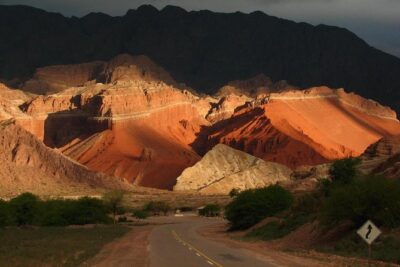
Full-day Cafayate, Lerma Valley, and Wine Tasting from Salta
Read our review →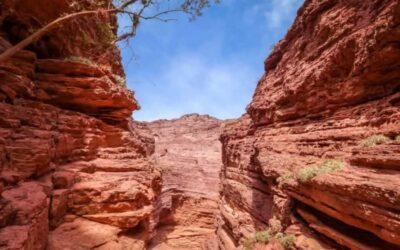
Cafayate and the imposing Quebrada de las Conchas
Read our review →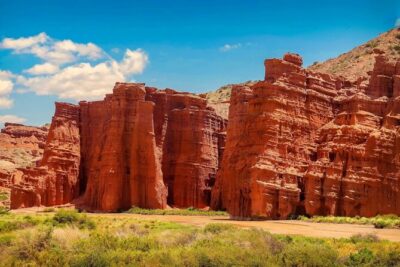
Browse the lists this tour appears in