
Reviewed · WINE TOURS
Mendoza: Half-Day Wine Tour with Tastings
Mendoza’s wine country is more than rows of vines against dry hills. It is a man-made oasis, fed by irrigation canals first developed by the Huarpes, the region’s native people. This $43 half-day tour gives you a clear introduction to that story, with two winery visits and, in the regular option, an olive oil stop.
I like the short five-hour format and the chance to compare a larger producer with a smaller family operation. I also like the multilingual setup. Guides such as Fabricio, Claudia, Marta, Mica, and Mafalda have helped make English-speaking visitors feel included, even when most of the group speaks Spanish. The main drawback is that the wineries change each day, and some stops can feel rushed or crowded.
Key points to know before booking
- Two wineries, not one fixed pair: Stops may include Bodega Lopez, Nieto Senetiner, Vistandes, Bonfanti, Florio, Dante Robino, Don Arturo, or Cecchin.
- The regular option includes olive oil: Pasrai or Laur is used depending on availability. This is not an extra winery visit.
- A practical Mendoza introduction: You learn about irrigation, production, tasting, and regional agriculture in five hours.
- English support is usually available: The tour operates in English, Spanish, and Portuguese, with separate language explanations possible at some stops.
- Eat before you go: Lunch is not included, and there is little time to buy food between visits.
- Good value at $43: It costs much less than many full-day wine outings, though the schedule is more basic and less personal.
Why this half-day tour works well in Mendoza
Mendoza can make wine touring complicated. Luján de Cuyo and Maipú are spread across the province, the best bodegas are not all close to the city, and public transport will not take you neatly from tasting room to tasting room. This tour solves the basic transport problem with hotel pickup and drop-off in central Mendoza City.
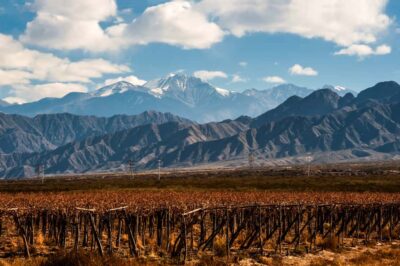
You spend about 30 minutes on each transfer, which gives you a useful view of the dry countryside and the irrigation channels that keep the region productive. The guide explains how water changed this desert region into an agricultural center. That context matters because the vineyards are not simply a gift from nature. They depend on planning, canals, labor, and a steady supply of mountain water.
The tour costs $43 per person and lasts five hours. I see it as an orientation rather than a specialist wine day. You get enough information to understand Mendoza’s wine culture, taste several wines, and decide if you want to return to a particular winery for a longer visit.
Other bodegas within reach of town:
- From Mendoza: 3 Wineries, Olive Oil Factory Tour & Tasting
★ 4.6 · 901 reviews - Mendoza: Full Day Wine Tour with 3 Course Lunch
★ 4.3 · 153 reviews - Mendoza Hop-On Hop-Off Wine Tour
★ 4.0 · 130 reviews
Central Mendoza pickup and the ride into wine country
Pickup is included from accommodation in central Mendoza City. The listed city meeting point is along Av. Sarmiento, and the activity returns you to the same central area or nearby drop-off point.
The vehicle ride is part of the experience, not just dead time. Your guide may explain the area, the irrigation system, and how Mendoza has changed over the years. Several guides have been praised for keeping the ride lively and informative, but the quality of translation can depend on the group and the guide.
The tour runs in English, Spanish, and Portuguese. If you are the only English speaker, you may still receive direct help. One English-speaking participant was given individual explanations while the larger Spanish-speaking group continued with another guide. That can work very well, although bilingual tours require patience.
One practical warning: confirm that the guide pauses between languages. A few people found that Spanish commentary continued over the English translation during the bus rides. At the wineries, language separation has generally worked better than on the road.
First winery: from grape to bottle
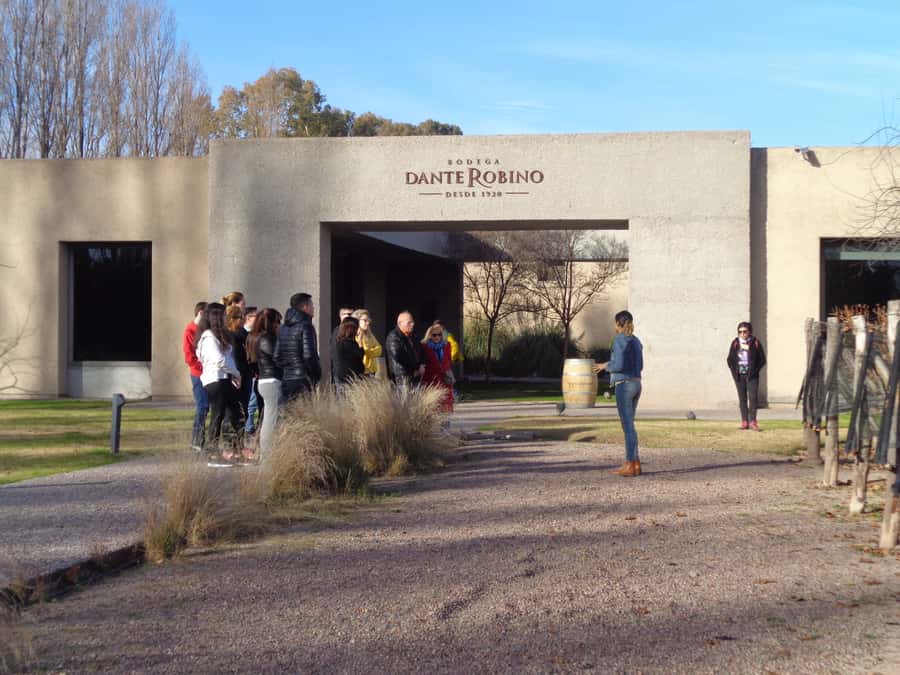
Your first winery visit lasts about an hour and usually includes a guided explanation followed by wine tasting. The exact bodega changes from day to day, so you should not book this expecting one particular estate.
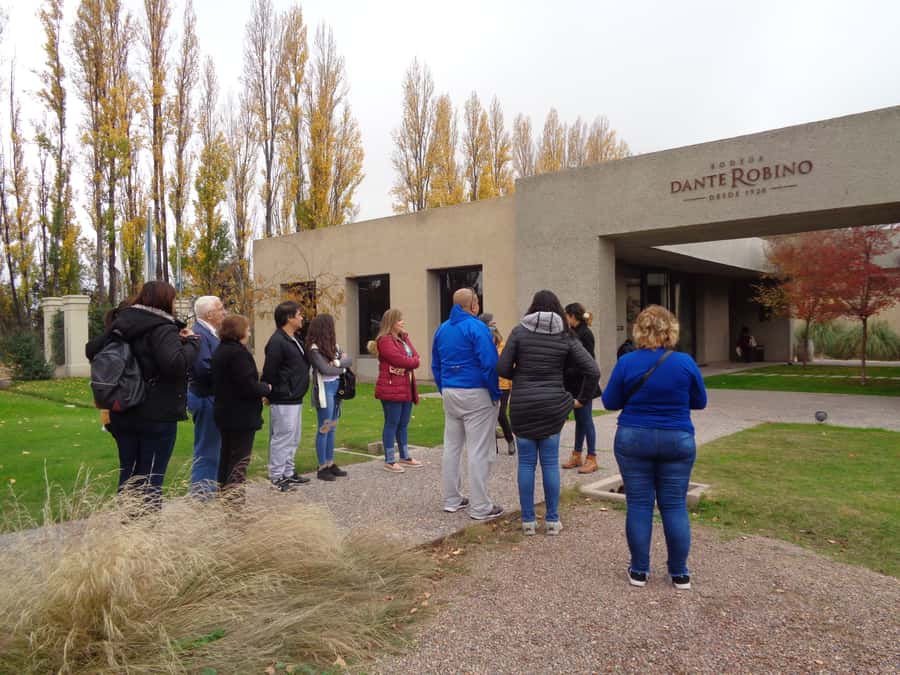
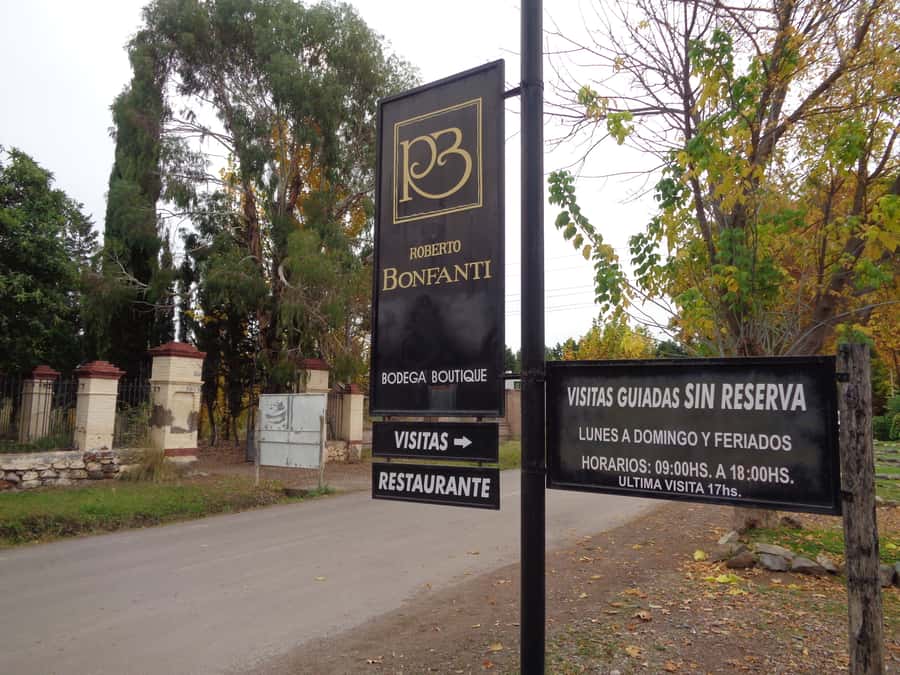
Possible stops include Bodega Lopez, Nieto Senetiner, Vistandes, Bonfanti, Florio, Dante Robino, Don Arturo, and Cecchin. These names cover different styles of operation. You might see a larger, more commercial producer, a smaller family business, or an organic operation.
Bodega Lopez, in particular, has been singled out for a strong presentation about its wines. It offers the kind of organized visit you would expect from a long-running producer. Other stops may feel more intimate. Don Arturo, for example, has been described as a family-style contrast to a larger winery.
The lesson normally covers the steps from grape to finished bottle. You learn about production and then taste the results. This order is helpful because the tasting does not feel like a random series of pours. You have a basic framework for thinking about what you are drinking.
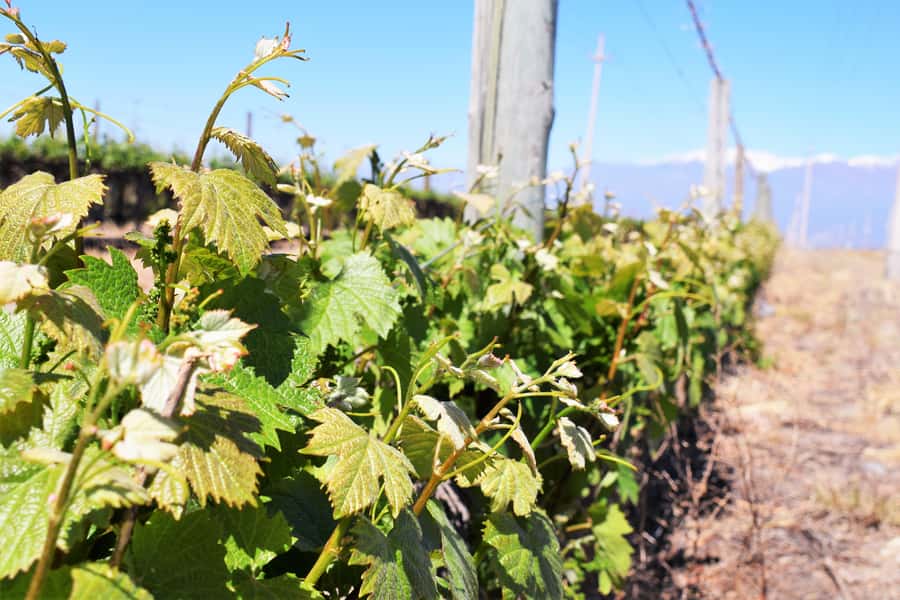
Do not assume every stop is a classic vineyard walk. Some wineries are production facilities with only a small patch of vines. That is not a flaw if your priority is learning how wine is made, but it matters if you picture a long stroll through endless vineyard rows.
What the tasting is like
The number and style of wines can vary. One outing included seven different wines, while other visits offered a smaller selection. You may taste a mix of local varieties and styles, but the exact pours depend on the winery.
The tasting is designed for a mixed audience, not for advanced wine study. You can expect an introduction to the wines and a chance to ask questions. Guides at the wineries generally speak good English, and language groups may be split so that each explanation is easier to follow.
The pace is one of the tour’s weak points. When several buses arrive at once, tastings can feel more like a scheduled stop than a private appointment. One group found the first winery and the olive oil factory enjoyable, but felt rushed at a later bodega. Another group waited in the vehicle while the Spanish presentation finished.
That means you should keep your expectations realistic. This is not a slow afternoon at a small estate with a long lunch and a private sommelier. It is a low-cost introduction that fits two wineries and another producer into five hours.
More wineries within reach of Mendoza:
- Mendoza: Top Wineries Guided Tour with Transportation
★ 4.8 · 99 reviews - Mendoza: Make an Argentine Asado BBQ w/ Local Host & Wine Tasting
★ 5.0 · 80 reviews - Catena Zapata Winery, Lunch and Private Transportation
★ 4.5 · 77 reviews - Horseback ride through vineyards followed by gourmet lunch
★ 5.0 · 70 reviews
Maipú and the second winery visit
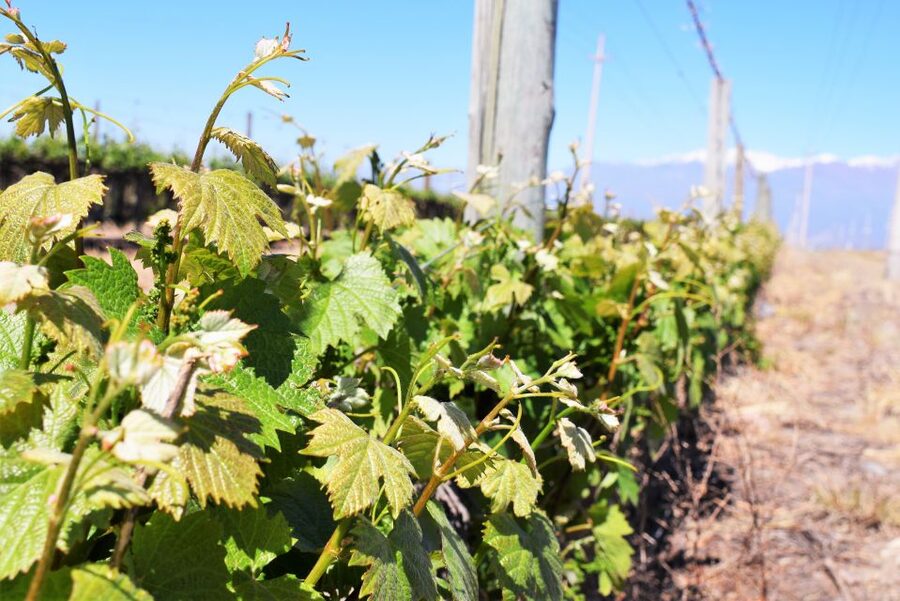
The itinerary includes time in Maipú, one of Mendoza’s key wine-producing areas, followed by another winery stop. Depending on the day, the order may change. The official timing allows roughly an hour for the guided visit and another hour for a tasting at a winery, with transfers between stops.
The value of the second winery is comparison. You may see a more industrial setup first and a smaller operation later, or the reverse. That contrast helps you understand that Mendoza wine is not one single product or business model.
The smaller wineries can provide a warmer sense of family production. Larger bodegas may offer stronger displays, more polished visitor facilities, and a clearer explanation of scale. Neither is automatically better. I prefer the mix because it shows how the same region can produce wine through very different methods.
Florio has received mixed impressions. Some people enjoyed the stop, while others found the visit brief and the wines less appealing, especially if they prefer dry wine to sweet styles. Since the producers change each day, one less impressive stop does not define every departure.
The olive oil factory adds a useful second taste of Mendoza
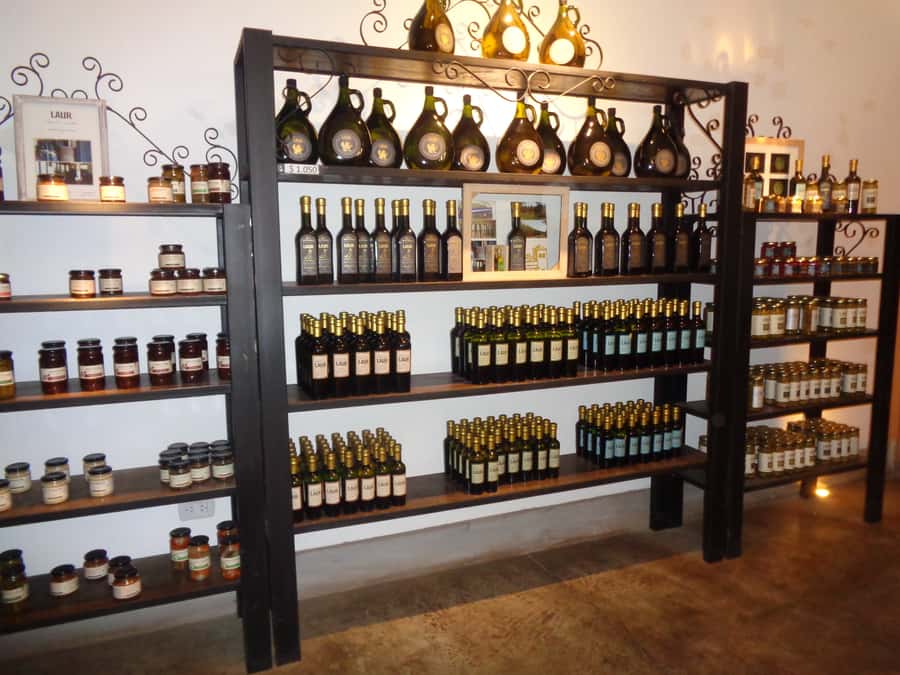
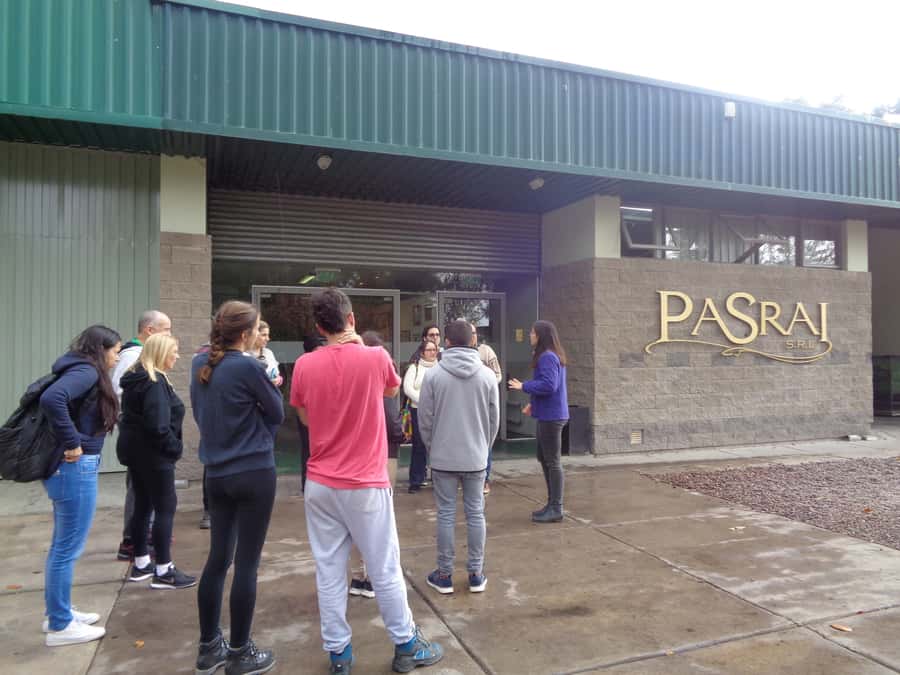
In the regular option, the tour visits an olive oil factory after the winery visits. The stop is usually at Pasrai or Laur, depending on availability. You learn about olive oil production and taste oils, olives, and sometimes balsamic vinegar products.
This is a good addition because it broadens the picture of Mendoza’s agriculture. The province is not only about wine. Olive production also depends on the region’s dry climate and irrigation, and the tasting gives you a different way to think about texture, aroma, and quality.
The olive oil stop has often been one of the most enjoyable parts of the outing. It is usually shorter than a winery visit, but the samples make it hands-on. Laur has also been associated with an explanation of vinegar production, which added variety to the usual oil tasting.
Pay close attention to the wording of the option you book. The regular option includes the olive oil factory, but this is not necessarily an additional winery. The itinerary may say two or three selected wineries in some descriptions, and weather or operational changes can affect the final arrangement.
A strong wind warning once led to the olive oil visit being canceled and replaced with a third winery. That kind of change is unusual but possible. Weather, opening hours, and availability can shape the day.
Guides, languages, and group atmosphere
The guide can make or break a shared wine tour. The strongest names associated with this experience include Fabricio, Claudia, Marta, Mica or Mika, and Mafalda. Their reported strengths include clear explanations, a friendly tone, and the ability to switch between English and Spanish.
You may travel with a mixed group of around a dozen or more people. The vehicle has been described as comfortable, and the driver is generally praised for punctual pickups and safe, efficient transfers.
The best setup separates English and Spanish explanations at each winery. This can make a small English-speaking group feel almost private. The ride commentary is less predictable because the guide may need to repeat information in several languages.
I like the social side of this format. You meet people from different countries, but you still have a clear schedule and a professional guide. If you want silence, solitude, and a long tasting at your own pace, book a private tour instead. If you want a friendly introduction without paying private-tour prices, this format makes sense.
What the $43 price really gets you
At $43, the tour offers strong practical value. Your transport, hotel pickup and drop-off, guide, two winery visits, wine tastings, and olive oil factory visit are covered. For a first day in Mendoza, that is a lot of ground for the money.
The trade-off is time. You are moving between several places, so each stop has a fixed schedule. You do not control the winery selection, and you may encounter a crowded tasting room. The experience is also educational rather than luxurious.
Compare it with a full-day wine tour and you will usually get more time, longer tastings, and perhaps lunch on a pricier outing. This half-day tour is better for a budget-conscious schedule, a first look at the region, or an afternoon between other Mendoza plans.
The lack of lunch is important. Eat before pickup. You may have no useful chance to stop for a meal, and wine on an empty stomach is a poor bargain, even at this price.
Practical advice for a smoother afternoon
Wear comfortable shoes. You may walk through production areas, visitor facilities, or outdoor sections, and the day includes several bus transfers.
Bring your passport or identification card. It is listed as a required item, so do not leave it locked away at your accommodation.
Keep your afternoon flexible after the tour. The planned duration is five hours, but changes at wineries, language arrangements, traffic, or weather can affect the finish. Central Mendoza drop-off makes it easy to continue with dinner or an evening walk, but avoid booking something that begins immediately afterward.
If you care strongly about a particular winery, this is not the right format. The producers change each day. If you care more about learning the basics and tasting wine at a low price, the changing lineup is less of a concern.
Free cancellation is available up to 24 hours before departure, and you can reserve without paying immediately. Those terms are useful if your Mendoza plans are still shifting.
Who should book this Mendoza wine tour?
I would choose this tour for a first-time visitor who wants a simple way to reach the wine country without arranging a car. It also suits anyone with only half a day, anyone watching costs, and anyone curious about both wine and olive oil.
It is a good match for English-speaking visitors because the tour operates in English, Spanish, and Portuguese, and the winery guides can often provide separate language explanations. Couples, solo visitors, and small groups can all fit comfortably into the format.
I would look elsewhere if you want a scenic vineyard lunch, a carefully chosen list of estates, or a slow private tasting. The experience can feel rushed at a busy winery, and the final selection is not fixed.
Should you book it?
Book it if you want solid value and a useful first look at Mendoza wine country. Two wineries, a possible comparison between large and family-run producers, and olive oil tasting make the five hours feel well used.
Skip it only if the fixed schedule and changing wineries would frustrate you. For everyone else, eat first, wear comfortable shoes, keep your afternoon open, and treat the tour as an introduction rather than the final word on Mendoza wine.
FAQ
How long does the Mendoza wine tour last?
The tour lasts five hours, including transportation between Mendoza City, the wineries, and the olive oil factory when that stop operates.
How much does the tour cost?
The listed price is $43 per person.
How many wineries will I visit?
You will visit two selected wineries in the standard arrangement. The exact wineries change each day, and weather or availability can sometimes lead to a different schedule.
Is the olive oil factory included?
The regular option includes a guided olive oil factory visit with tastings. The factory is usually Pasrai or Laur, depending on availability.
Which languages are available?
The tour is available in English, Spanish, and Portuguese. Winery explanations may be arranged by language, depending on the group.
Is lunch included?
No. Lunch is not included, and you should eat before the tour because there may be little time to buy food between stops.
What should I bring?
Bring a passport or identification card and wear comfortable shoes.
Just added in Mendoza
- Bar Safari: 4 Best Mendoza’s Bars in 1 night. + Full Dinner★ 5.0 · 5 reviews
- From Mendoza: Atuel Canyon Day Trip★ 4.4 · 3 reviews
- Mendoza: Mt. Aconcagua Confluencia Camp Trekking★ 5.0 · 14 reviews
- Trekking + Rapeles + Terma de Cacheuta (“Thermal Water Park”)★ 5.0 · 42 reviews
- Andes Day Hiking Tour Experience★ 5.0 · 38 reviews
- Mendoza: 4-Hour Mountain Trekking With Lunch★ 3.6 · 25 reviews
- Mendoza: Make An Argentine Asado With A Local & Taste Malbec★ 5.0 · 10 reviews
- From Mendoza: Premium Spa Day at the Cacheuta Hot Springs★ 4.5 · 60 reviews
Wine Tours, compared.
Full-Day Tour Cafayate Calchaquí Valleys with Wine
Read our review →

Browse the lists this tour appears in