
Reviewed · CAFAYATE & WINE ROUTE TOURS
From Salta: Full-Day Tour to Cafayate with Wine Tasting
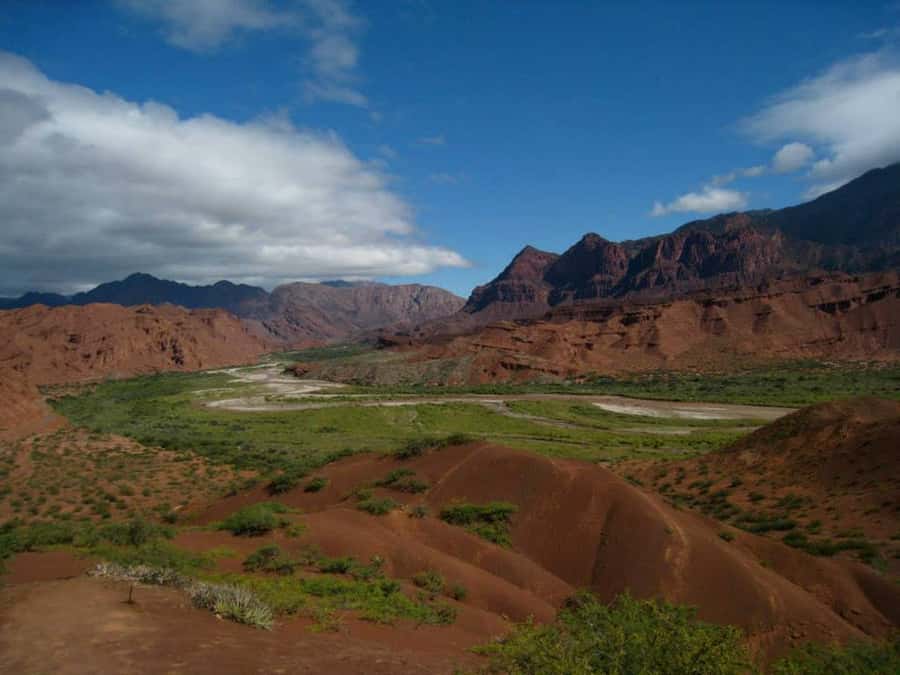
Cafayate’s greatest attraction is not the wine cellar. It is the extraordinary drive through the Quebrada de las Conchas, where red cliffs and strange rock formations rise from the dry hills. I like the chance to see Devil’s Throat and the House of the Parrots in one long day from Salta, and I like that guides such as Monica, Eduardo, Julio, and Omar explain both the geology and local culture in Spanish and English.
I also like the value: at $29 per person, transport, hotel pickup, a bilingual guide, and a winery visit cost less than arranging the route yourself. The catch is the long day. Expect 13 hours in a minibus, including about two hours on rough dirt roads, and treat the wine tasting as a brief stop rather than a full wine tour.
Key points at a glance
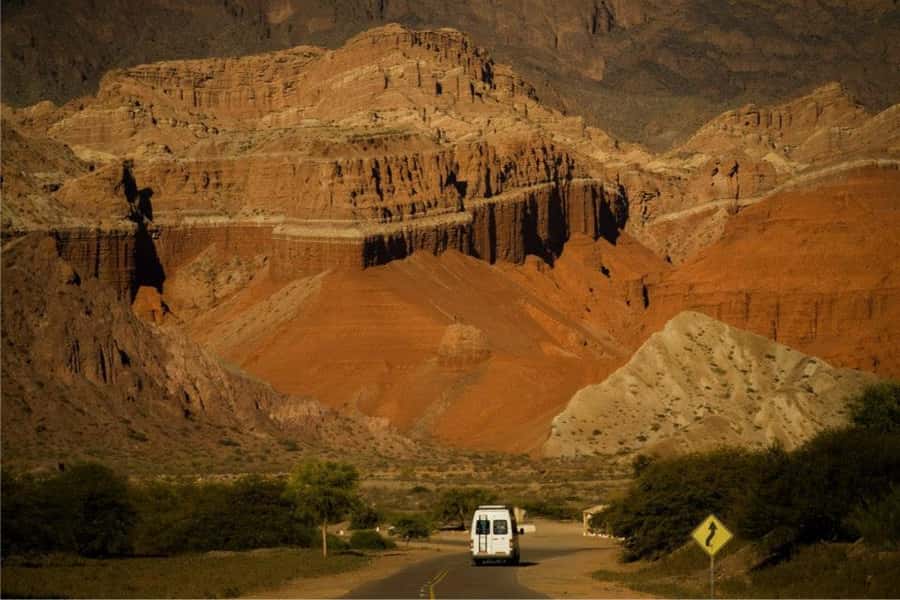
- The rock formations are the main event: Devil’s Throat and the House of the Parrots provide the day’s most memorable views and photo stops.
- The road is part of the experience: The morning route passes farms, tobacco fields, adobe chimneys, and the town of Alemania before reaching the red-rock gorge.
- The wine visit is short: The tour may advertise one or two wineries, but several departures have included only one, sometimes with a quick tasting of two or four wines.
- Bilingual guiding is a real strength: Guides including Monica, Eduardo, Julio, Omar, and others have been praised for switching between English and Spanish without leaving English speakers behind.
- The minibus keeps the group manageable: Vehicles hold about 17, 19, or 23 passengers and have air conditioning, though a full vehicle can feel cramped.
- The day suits scenery lovers more than serious wine fans: You get a taste of Cafayate wine, but the gorge and road views receive most of your time.
From Salta’s tobacco fields to the road south
Pickup takes place at downtown Salta hotels between about 7:00 and 7:40 AM. The early start matters because Cafayate is far enough away to require a full day, not a quick morning outing.
The route follows Provincial Route 68 through the Lerma Valley. This first section gives you a useful look at the countryside around Salta, with farms, tobacco plantations, and tobacco leaves drying in the sun. You also pass old and new tobacco chimneys made from adobe and clay.
These details are easy to miss if you drive straight through on your own. A good guide gives the scenery some meaning, explaining how tobacco fits into the area and pointing out features that would otherwise be little more than roadside shapes. Guides such as Monica and Eduardo have been praised for adding local customs, history, and personal stories to the drive.
The minibus is air-conditioned and generally comfortable, a welcome feature in a full-day excursion. The group size is smaller than a large coach tour, though the vehicle can be full. If you get carsick or dislike bumpy roads, ask for a front seat beside the driver if possible. The back of the minibus receives the most jolting.
Other high-altitude bodegas up here:
- From Salta: Cafayate, land of wines and imposing ravines
★ 4.4 · 347 reviews - Full-Day Tour Cafayate Calchaqui Valleys with Wine
★ 4.5 · 347 reviews - From Salta: Cafayate Day Trip with Wine Tasting
★ 4.4 · 226 reviews
Alemania and the first red walls
The road continues south toward Alemania, a small town that marks the shift from cultivated valley to drier, more dramatic country. From here, the rock scenery becomes the reason to keep your camera ready.
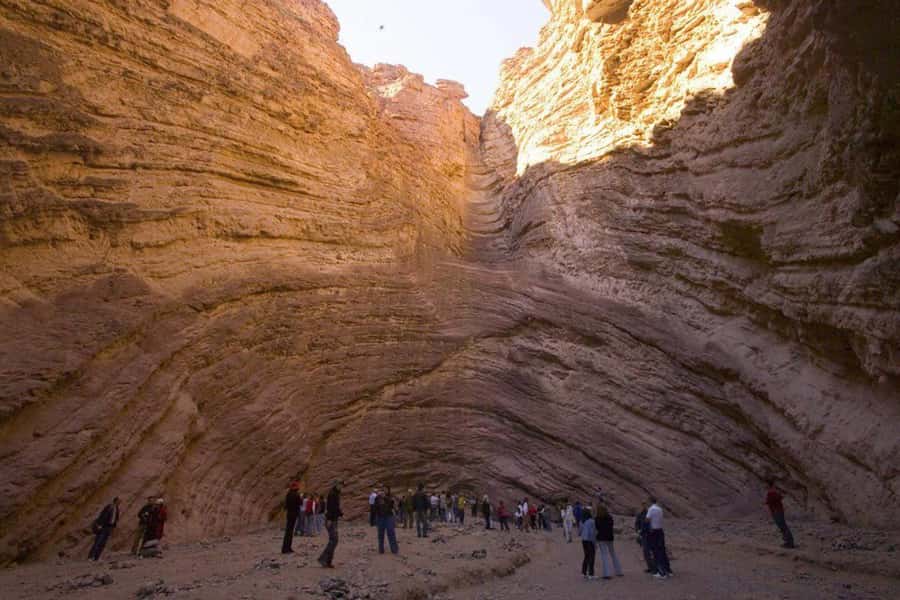
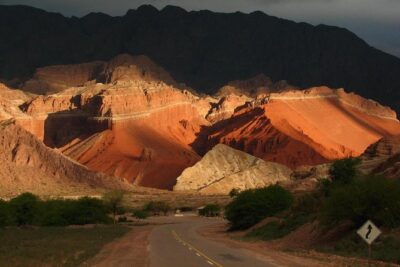
The tour enters the Quebrada de las Conchas, often called the Quebrada de Cafayate in tour descriptions. The gorge is known for red, orange, and brown rock formations carved into unusual shapes by erosion. You make stops at named formations including Devil’s Throat and the House of the Parrots.
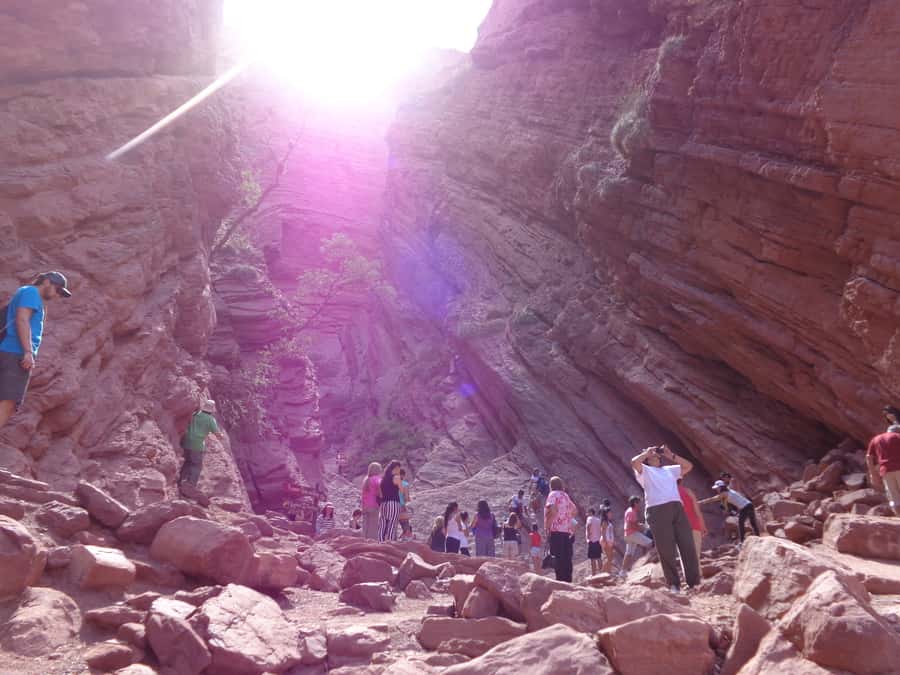
Devil’s Throat is especially striking, with a tall, narrow opening cut into the red rock. The House of the Parrots has its own character, with layered stone and hollows that give the formation its name. The appeal is not just one viewpoint. It is the steady change in color, shape, and scale as the minibus moves through the gorge.
This is where the tour earns its keep. You are not simply being delivered to Cafayate for lunch and wine. The road itself becomes a long series of viewpoints, and guides typically stop at several places for photographs and short explanations.
Do not expect long hikes at every stop. This outing is built around roadside viewpoints and guided visits rather than extended walking. If you want time to climb, wander, or study the rock formations at length, an independent trip or a more specialized excursion may suit you better.
A guide makes the rock formations easier to read
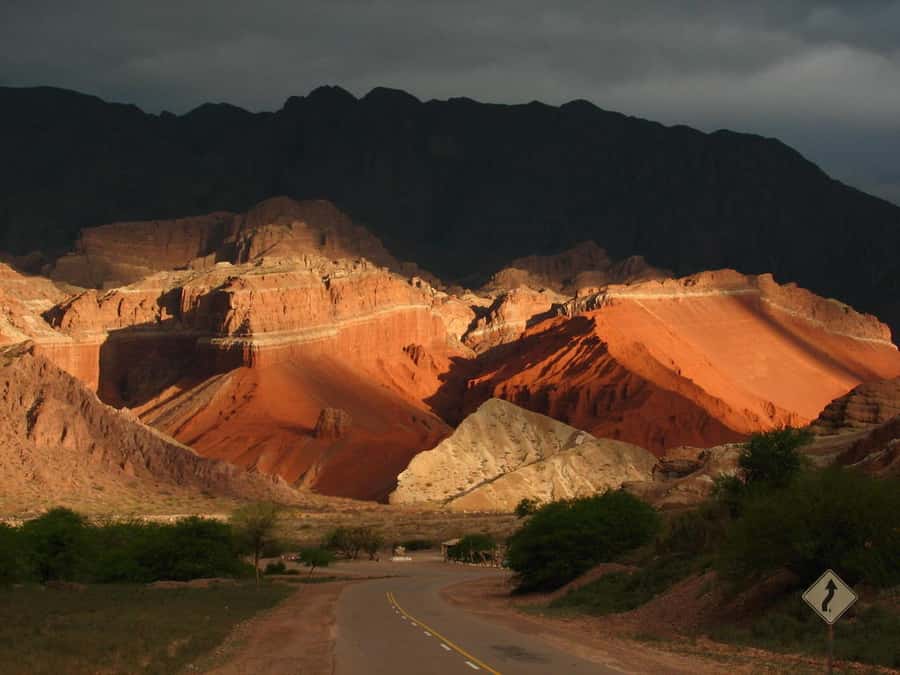
The best part of the guiding is the explanation of how the gorge formed. Omar, Julio, Monica, and Eduardo are among the guides praised for explaining geology in clear terms, along with the plants, terrain, and human history of the region.
That matters here because the formations can look like a string of attractive red cliffs without context. A guide can point out why a wall has its color, how a narrow opening developed, or how the area connects to the wider geography of northwestern Argentina.
The bilingual format works well when the guide handles it carefully. Several guides have been praised for giving English and Spanish speakers equal attention, translating in short sections rather than speaking for a long time in one language and leaving the other group waiting.
The winery visit is less consistent in this respect. The main tour guide may speak excellent English, but the explanation inside the bodega can be entirely in Spanish. If your Spanish is limited, you may receive a shorter interpretation from your guide, but you should not book this trip expecting a fully bilingual winery seminar.
Cafayate, lunch, and the short wine stop
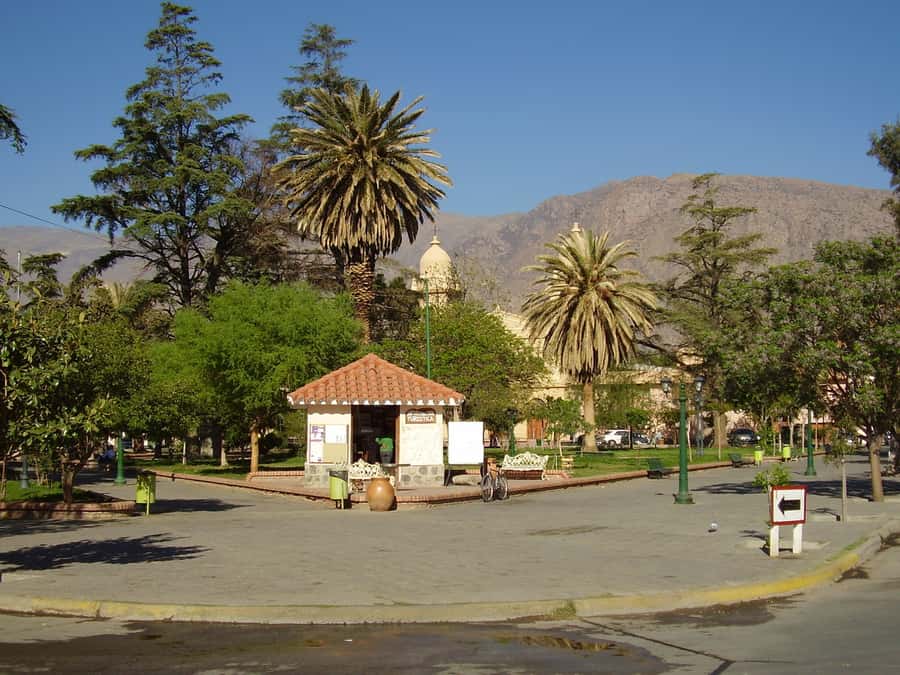
Cafayate is the destination town and the center of a well-known wine-producing area. The local Torrontés grape is the star, producing an aromatic white wine associated with Argentina’s northwest.
The tour includes a visit to one or two wineries, depending on the day’s arrangement. In practice, you should plan for one winery and regard a second stop as a bonus. The visit may be brief, with a simple explanation and a small tasting. Some departures have included two wines, while others have offered four.
That is enough to introduce you to the local style and decide if you want to buy a bottle. It is not enough for a careful comparison of vineyards, production methods, or several Torrontés expressions. One winery stop can also feel rushed, with little time to walk around the grounds or take photographs.
Lunch is not included, and you pay for your own meal and personal purchases. The schedule allows time in Cafayate for lunch and a walk around the center, though the exact amount of free time depends on the day. One practical advantage is that the guide can help with ordering, especially if you are not comfortable using Spanish.
I would treat lunch as part of the town visit, not as a formal meal included in the tour. Bring enough money for food, drinks, and any wine or souvenirs you want to buy. Since lunch is excluded, the low advertised price remains straightforward rather than hiding a compulsory meal charge.
Other days on the wine road from Salta:
- Full-day Cafayate, Lerma Valley, and Wine Tasting from Salta
★ 4.5 · 116 reviews - From Salta:Cafayate and the imposing Quebrada de las Conchas
★ 4.3 · 80 reviews - From Salta: Full-Day Tour to Cafayate, Land of Wines
★ 4.5 · 74 reviews
The return route shows another side of the region
After Cafayate, the minibus returns to Salta by a different route. This is a smart part of the plan because you do not simply repeat the same scenery in reverse.
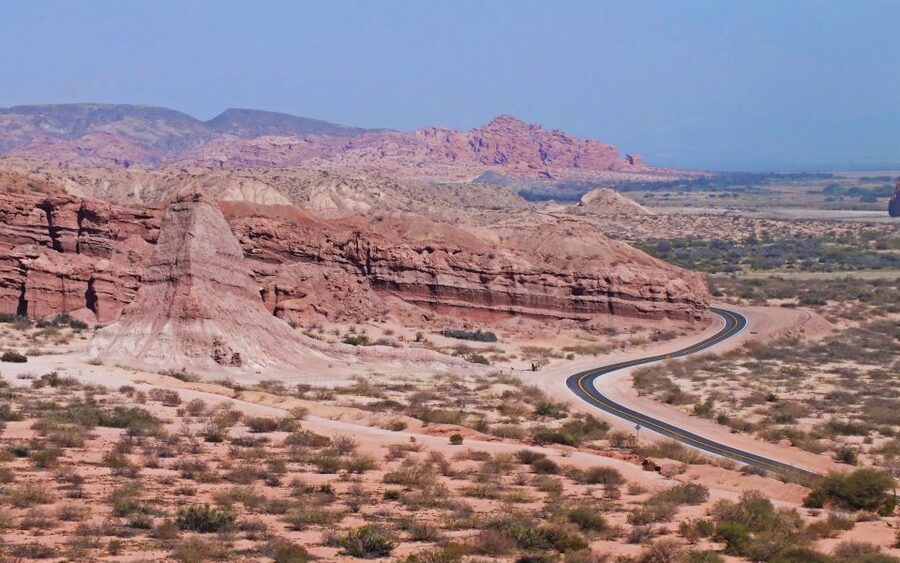
The return trip includes about two hours on the highway, while the outbound journey includes roughly two hours on lower-quality dirt roads. The change makes the long day easier to appreciate, but it does not make the ride short. You may leave early in the morning and return after a full 13 hours.
The long transport time is the main tradeoff. On the plus side, you see a large stretch of country without arranging a rental car, navigating unfamiliar roads, or paying for fuel and a private driver. On the other hand, you have limited control over how long you remain at each viewpoint.
Bring your passport or ID card, water, sun protection, and comfortable clothes for sitting and walking at stops. The supplied information specifically requires identification, and the road conditions make this unsuitable for people with back problems.
What the $29 price really buys you
At $29, this is unusually inexpensive for a full-day outing that includes downtown pickup, air-conditioned transport, a certified bilingual guide, and a winery visit. The price is strongest for people who want to see the Quebrada without renting a car or paying for a private tour.
You are also paying for convenience. The minibus collects you from a downtown hotel, follows a set route, pauses at the major formations, handles the long drive, and returns you to Salta. That removes the practical work from a day that would otherwise require careful planning.
The price does not cover lunch or personal expenses. More important, it does not buy a long, polished wine program. If wine is your main reason for visiting Cafayate, you may prefer a dedicated bodega visit booked directly, with more time for tastings and questions.
For scenery, though, the value is strong. The main sights are spread along the road, and the guide adds geological and cultural detail that can make the journey far more useful than a simple transfer. You also avoid spending the day focused on driving.
Comfort, timing, and who should skip it
The vehicles are described as high-quality minivans with air conditioning, in sizes ranging from 17 to 23 passengers. Most of the available feedback about transport is positive, but a completely full minibus can feel tight, especially during the long ride back.
Pickup can run a little late. A delay of around 10 minutes is not necessarily a problem, so keep some patience during the hotel collection period. The important thing is to be ready during the stated 7:00 to 7:40 AM window.
This is not a good choice for anyone with back problems because of the rough roads and long hours seated. It is also a poor fit if you want a slow wine holiday, long hikes, or plenty of unscheduled time in Cafayate.
Children under two can travel free if they do not need their own seat. Anyone under 18 must be accompanied by an adult, and unaccompanied minors are not allowed.
The trip suits you best if you want:
- Red-rock scenery and frequent photo stops
- A practical day trip from Salta
- A guide who can explain the region in English and Spanish
- A short introduction to Cafayate wine
- A low-cost alternative to a private driver
The trip may frustrate you if you want:
- Several serious winery visits
- A long tasting conducted in English
- Extended walks at the formations
- A relaxed schedule with little time in the minibus
- Guaranteed visits to two wineries
How to make the day work better
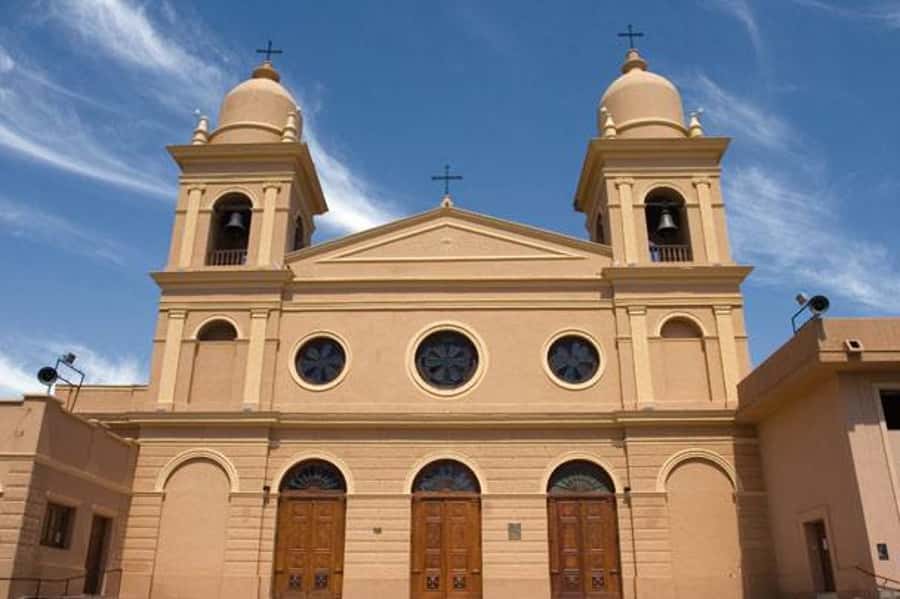
Choose a front seat if you are sensitive to motion. The road is rough in places, and the back row receives more movement.
Use the drive as part of the outing rather than an annoying gap between attractions. The route through the Lerma Valley and Quebrada is the core experience, while Cafayate and the winery provide a destination and a change of pace.
Ask your guide questions early, especially if you want more explanation in English. Guides such as Monica and Eduardo have been praised for making sure both language groups receive the same information, but the winery staff may not repeat everything in English.
Keep your expectations realistic about the tasting. You will sample local wine and learn a little about the industry, but this is first a scenic tour. If the tasting turns out to be brief, the day can still be worthwhile because the gorge is the main attraction.
The tour offers free cancellation up to 24 hours before departure, and you can reserve now and pay later. Those options help if your Salta plans are still changing, but they do not alter the long-distance nature of the outing.
Should you book the Cafayate day trip?
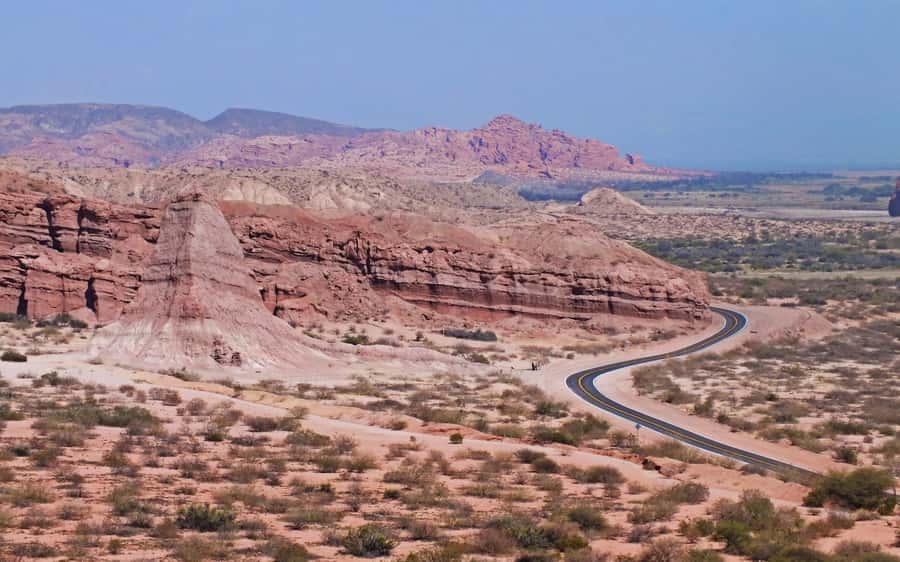
I would book this tour if you have one free day in Salta and want to see the Quebrada de las Conchas without organizing transport yourself. The red-rock formations, tobacco country, bilingual guiding, and different return route make it a full regional introduction at a very low price.
I would not book it as a dedicated wine tour. The bodega visit can be short, may include only one winery, and may be explained mainly in Spanish. For serious wine time, arrange a separate visit in Cafayate.
For most people, the decision comes down to the road. If four hours of mixed rough-road and highway travel sounds acceptable for spectacular scenery, the $29 cost is hard to argue with. If you need comfort, long walks, or a leisurely cellar experience, choose a shorter or more specialized outing instead.
FAQ
How long does the Salta to Cafayate tour last?
The tour lasts about 13 hours, including hotel pickup, the drive to Cafayate, sightseeing stops, the winery visit, lunch time, and the return to Salta.
Where does pickup take place?
Pickup is available from downtown Salta hotels, generally between 7:00 AM and 7:40 AM. Drop-off at downtown hotels is included.
Is lunch included?
No. Lunch and personal expenses are not included, so you should bring money for your meal and any purchases.
How many wineries will I visit?
The experience is described as including one or two wineries, but you should plan for one. The winery stop can be brief.
Is the wine tasting conducted in English?
The main tour guide speaks English and Spanish, but the winery explanation may be conducted only in Spanish. Your bilingual guide may provide some translation.
What languages does the guide speak?
The certified live guide speaks Spanish and English. On mixed-language departures, the guide provides explanations in both languages.
Are the roads rough?
Yes. The tour includes about two hours on lower-quality dirt roads and about two hours on the highway during the return. The vehicles are air-conditioned minivans.
Is the tour suitable for children?
Children under two can travel free if they do not occupy a separate seat. Anyone under 18 must be accompanied by an adult, and unaccompanied minors are not permitted.
More Food & Drink in Salta
- Buenos Aires: 9-Course Argentine Meat Tasting at Fogón Asado
★ 4.9 · 826 reviews - Buenos Aires: Local Foodie Adventure with Sherpa Food Tours
★ 4.9 · 670 reviews - Buenos Aires Food Tour: Local Dishes, Steak, Empanada & More
★ 5.0 · 118 reviews - San Telmo: Historical Guided Tour with Street Food & Drinks
★ 5.0 · 87 reviews
More wine tours from Salta
- From Mendoza: 3 Wineries, Olive Oil Factory Tour & Tasting
★ 4.6 · 901 reviews - Mendoza: Half-Day Wine Tour with Tastings
★ 4.3 · 727 reviews - Maria Fumaça – Wines and History
★ 4.0 · 242 reviews - Buenos Aires: Wine Tasting and Lunch at Bodega Gamboa
★ 4.8 · 177 reviews
Just added in Salta
- From Salta: Great Salt Flats Day Tour★ 4.0 · 10 reviews
- From Salta: City Tour of the city on a half-day ride★ 4.0 · 59 reviews
- From Salta: Salinas Grandes, Purmamarca and Cuesta de Lipán★ 4.4 · 70 reviews
- 3 Days 3 Full Excursions Pack★ 4.0 · 73 reviews
- From Jujuy: Salinas Grandes, Purmamarca & Los Colorados Hike★ 4.2 · 75 reviews
- From Salta: Day Trip to Cachi and the Calchaquí Valleys★ 4.2 · 67 reviews
- From Salta: Full-Day Tour to Cafayate, Land of Wines★ 4.5 · 74 reviews
- Quebrada de Humahuaca and Purmamarca★ 4.5 · 75 reviews
Cafayate & Wine Route Tours, compared.
Full-Day Tour Cafayate Calchaquí Valleys with Wine
Read our review →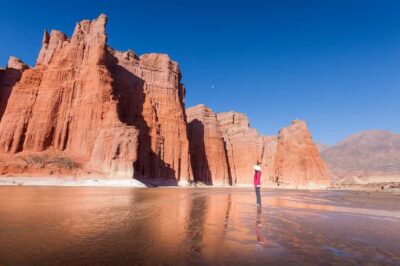
Full-day Cafayate, Lerma Valley, and Wine Tasting from Salta
Read our review →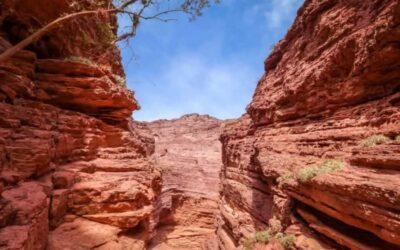
Cafayate and the imposing Quebrada de las Conchas
Read our review →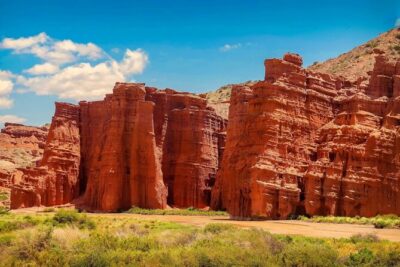
Browse the lists this tour appears in