
Reviewed · HISTORICAL TOURS
Indigenous People of Patagonia History Tour
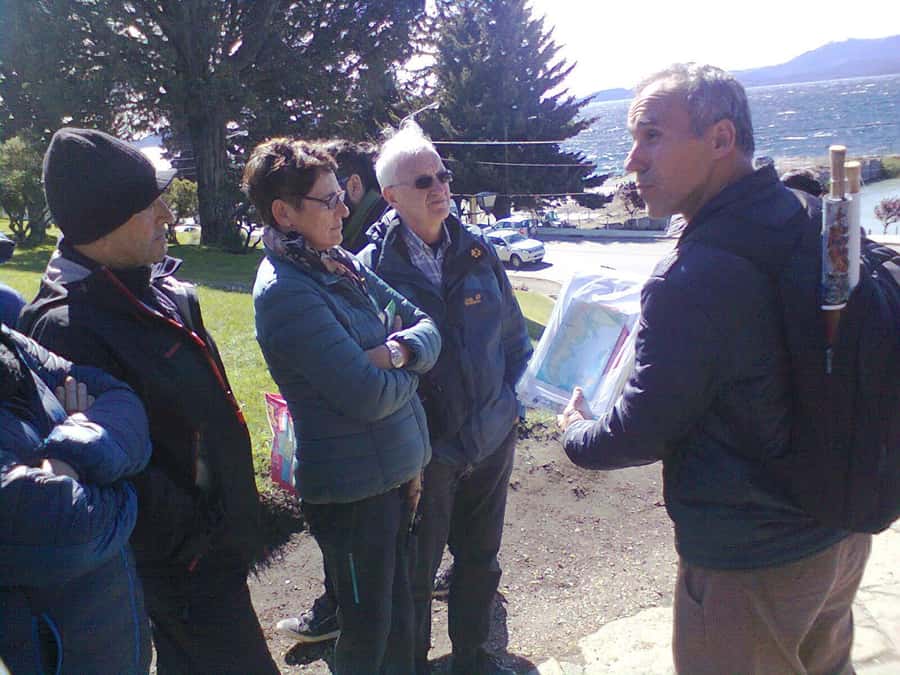
Bariloche’s Indigenous past comes into focus on this short walk through the Civic Center, cathedral, and lakeshore. I like the way the tour links museum objects with the city you are seeing outside, and I like that the guide, Diego, explains a lot in a compact 90 minutes. The lake views provide a fine finish.
The main consideration is pace. Ninety minutes goes quickly, and the Museum of Patagonia has enough fossils, tools, and other objects to fill much longer. You can return later the same day with your ticket, but this tour is an introduction rather than a full museum visit.
Key points at a glance
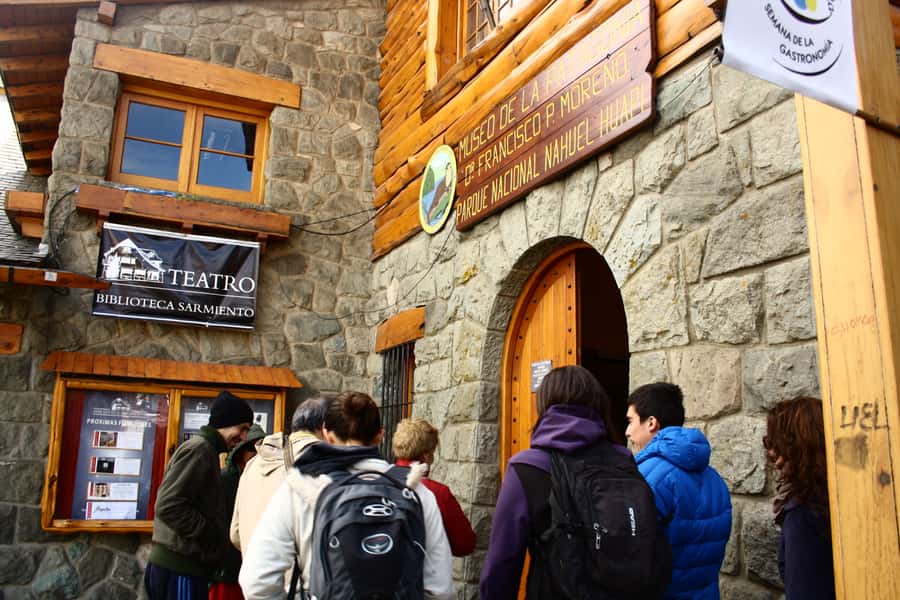
- Museum of Patagonia: See fossils, tools, implements, and displays about the area’s Indigenous peoples and natural history.
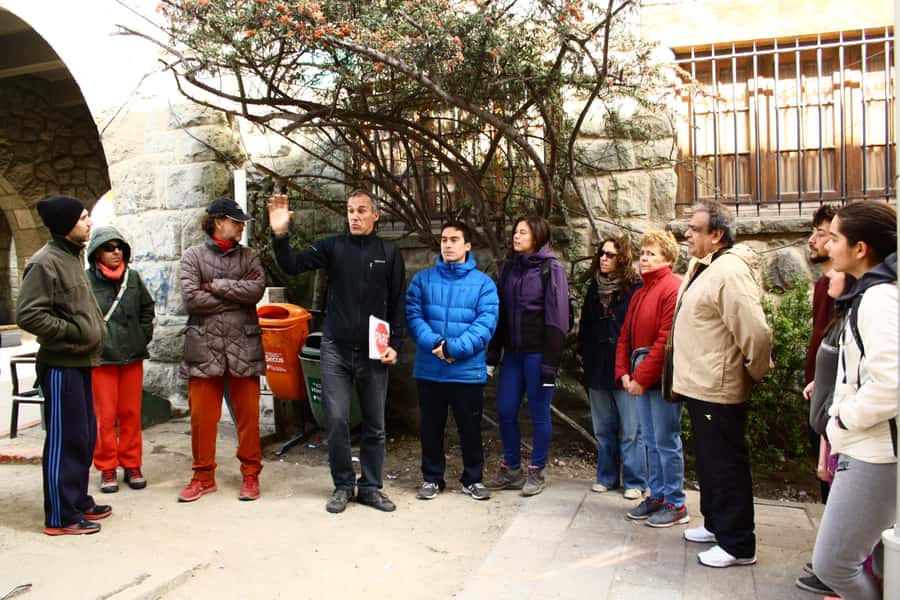
- Diego’s clear storytelling: Diego has been praised for covering substantial cultural background in a short time.
- Bariloche’s Civic Center: Begin at the city’s main civic square and tourist information office.
- Cathedral details: Look for the stained glass windows, gardens, and Via Crucis at the Cathedral of Our Lady of Nahuel Huapi.
- Nahuel Huapi finish: End beside the lake with views toward glacial valleys.
- Flexible booking: The tour lasts 90 minutes, costs $41 per person, and allows cancellation up to 24 hours ahead for a full refund.
Starting at Bariloche’s Civic Center
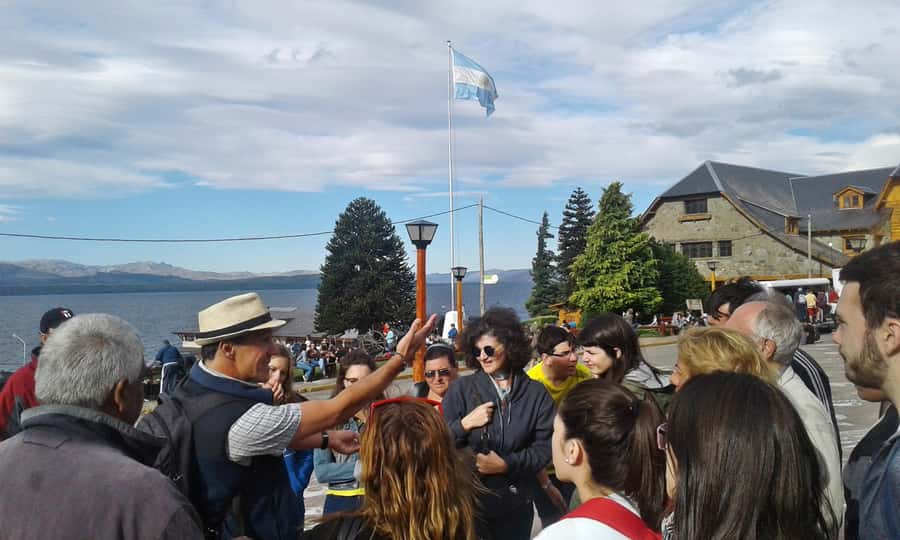
Meet by the door of the tourist information office in Centro Civico Square. This is a practical starting place because the Civic Center is both easy to identify and central to Bariloche’s public life.
From here, you begin on foot with an official guide who speaks English and Spanish. The walk is short enough to fit into a busy day, yet it gives you an early sense of how Bariloche presents its past: through public buildings, museum displays, religious art, and the natural setting around Nahuel Huapi Lake.
I would arrive a little early. The meeting point is specific, but a first visit to the Civic Center can still involve a few minutes of orientation. Comfortable shoes are the only listed item to bring, and they make sense on any walking tour, especially if you plan to continue exploring after the 90-minute route.
A few more things to do in Bariloche worth a look
- Bariloche: German Immigration and History Walking Tour
★ 4.8 · 169 reviews - Maria Fumaça – Wines and History
★ 4.0 · 242 reviews - Nazis in Buenos Aires: a historical walking tour
★ 4.9 · 193 reviews
The Museum of Patagonia and Bariloche’s early story
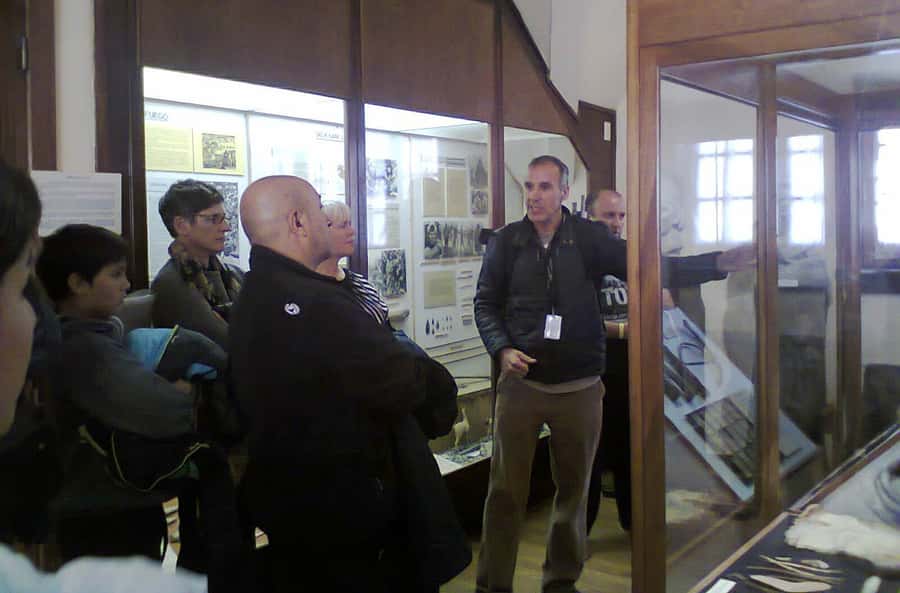
The first major stop is the Museum of Patagonia, located at the Civic Center. The museum was established in 1940 by the national government as part of the development of what was then a remote ski resort town.
That date gives the visit useful context. Bariloche is now a well-known base for trips around the Lake District, but the museum reflects an earlier effort to shape the town’s identity and connect it with the surrounding region. The displays cover both natural history and the original inhabitants of Patagonia, giving you two ways to read the place: through geology and wildlife, and through human culture.
You can expect to see collections of fossils, tools, and implements. The exact amount of time spent with each display depends on the guide and the group, but the purpose of the stop is clear: you get a framework for understanding Patagonia before seeing more of Bariloche on foot.
The Indigenous history is the heart of the tour. The guide explains the Native Patagonian peoples and the role of their material culture. One useful feature of a museum visit is that objects can make broad historical subjects more concrete. A tool or implement gives you something specific to examine while the guide explains its place in local life.
The strongest feedback about the experience centers on this teaching. Diego is repeatedly described as thorough, kind, and able to cover a great deal of history in a short period. That matters here because the subject is broad, while the available time is limited. You are not simply passing through a display room. You are being given a set of reference points for the rest of your time in the region.
A museum ticket you can use again later
Your entry ticket lets you return to the Museum of Patagonia later in the same day. This is one of the most useful details of the experience.
During the walking tour, you may want to stay with the group and keep the route moving. Later, you can come back and look more closely at fossils, tools, and other objects at your own pace. I would especially recommend this option if Indigenous history is your main reason for booking, since 90 minutes is not enough for a careful look at every collection.
The museum requires an optional $2 contribution to enter. That small extra payment is not included in the $41 tour price. It is worth keeping a little cash ready, although the supplied information does not specify accepted payment methods.
The return option also helps balance the tour’s tight schedule. You get an orientation from the guide first, then a chance to spend more time with the subjects that catch your attention. If your day is packed, you can still treat the museum stop as a useful overview rather than feeling obliged to see everything at once.
The Cathedral of Our Lady of Nahuel Huapi
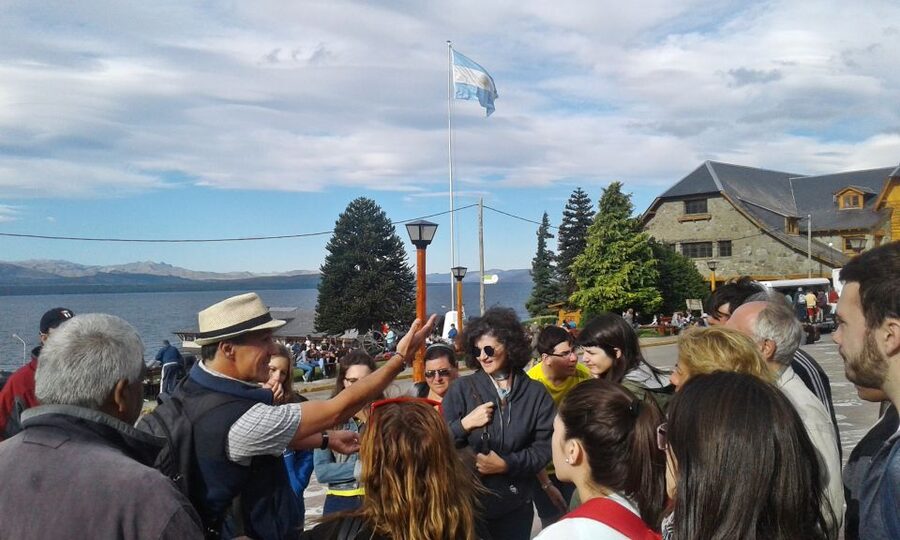
The walk continues to the Cathedral of Our Lady of Nahuel Huapi. The cathedral is surrounded by gardens, giving this part of the route a calmer change of mood after the museum.
Inside, the main details to watch for are the stained glass windows and the Via Crucis. The stained glass gives you a chance to consider another part of Bariloche’s identity, while the Via Crucis adds a religious and artistic layer to the city walk.
This stop is brief enough that your attention should be focused. Look up at the windows, take time with the Via Crucis, and notice how the cathedral fits into the surrounding gardens. The tour does not present itself as a long specialist art visit, so you should not expect an extended study of every architectural feature.
Still, the cathedral earns its place on the route. A tour focused only on Indigenous history could become too narrowly framed. By including the cathedral, the walk shows several strands of Bariloche’s public story in one compact outing: Native cultures, national development, religious life, and the city’s setting beside a major lake.
Same base, a different kind of day out:
- Bariloche: 7 Lakes & San Martin de Los Andes Road Trip
★ 4.5 · 624 reviews - Bariloche: Circuito Chico with optional Cerro Catedral
★ 4.5 · 316 reviews - San Martín de los Andes por 7 Lagos
★ 4.4 · 155 reviews - Circuito Chico
★ 4.5 · 146 reviews
Finishing beside Nahuel Huapi Lake
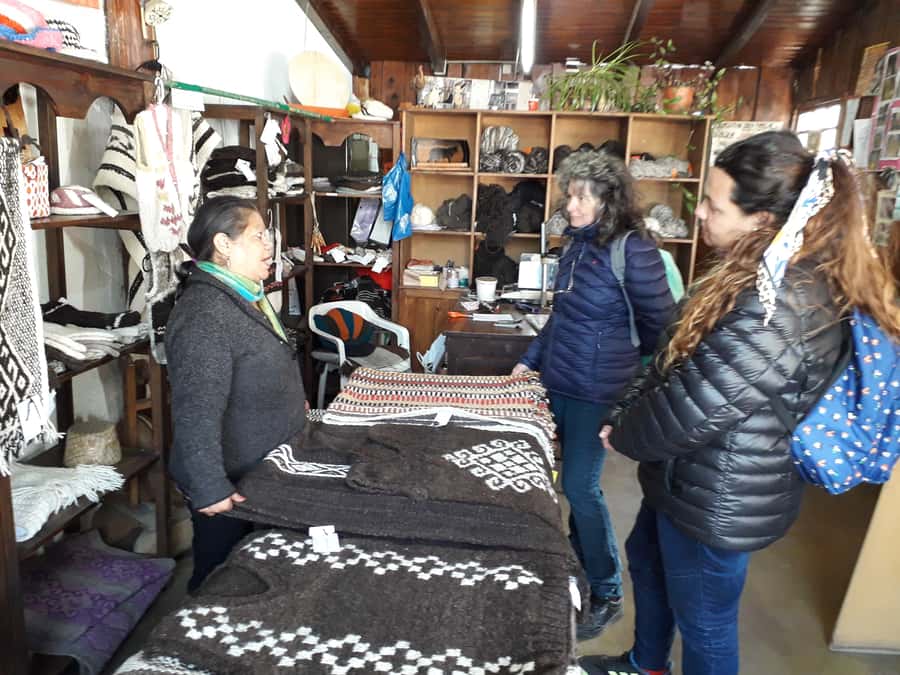
The final stop is the shore of Nahuel Huapi Lake. Here, you look toward glacial valleys and see the natural setting that gives Bariloche much of its appeal.
This is a good ending because the tour moves from indoor collections to public spaces and then out to the water. The museum explains the area through objects and history. The cathedral adds art and belief. At the lake, you get the broad view that helps connect those earlier stops to Patagonia itself.
The tour information promises amazing views of the glacial valleys, but conditions can affect what you see. The supplied details do not give a weather forecast or guarantee clear visibility, so keep your expectations sensible. The lakeshore is still a worthwhile finish even when the distant views are less sharp.
I like the fact that the route ends outdoors rather than returning you to the starting point. After the tour, you are already by Nahuel Huapi Lake and can decide what to do next. You might continue along the shore, return to the Civic Center, or use the rest of the day for the museum.
What the $41 price buys you
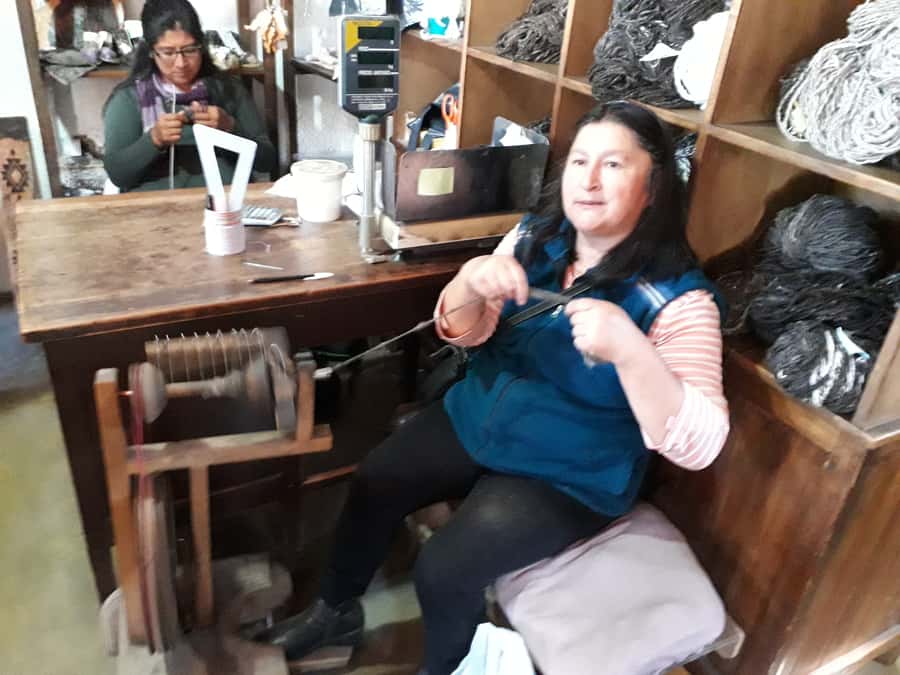
At $41 per person, this is not the cheapest way to walk around central Bariloche. The value comes from the guide and the structure, not from transportation or a long list of included extras.
You are paying for a 90-minute historical walking tour with an official English or Spanish-speaking guide. There is no transport because the experience is built around a compact downtown route. The $2 optional museum contribution is separate, so the final cost is slightly higher if you choose to pay it.
For me, the price makes the most sense when you want context quickly. A self-guided walk can take you to the Civic Center, cathedral, and lake, but it will not automatically explain how the museum’s Indigenous collections connect with Bariloche’s development. A good guide can also help you use limited time well.
The price is less compelling if you already know the city’s history or prefer to spend several hours studying museum displays alone. In that case, you may want to visit the museum independently and set your own pace. The included tour does give you the option to return later, which softens this drawback.
Who will get the most from this walk
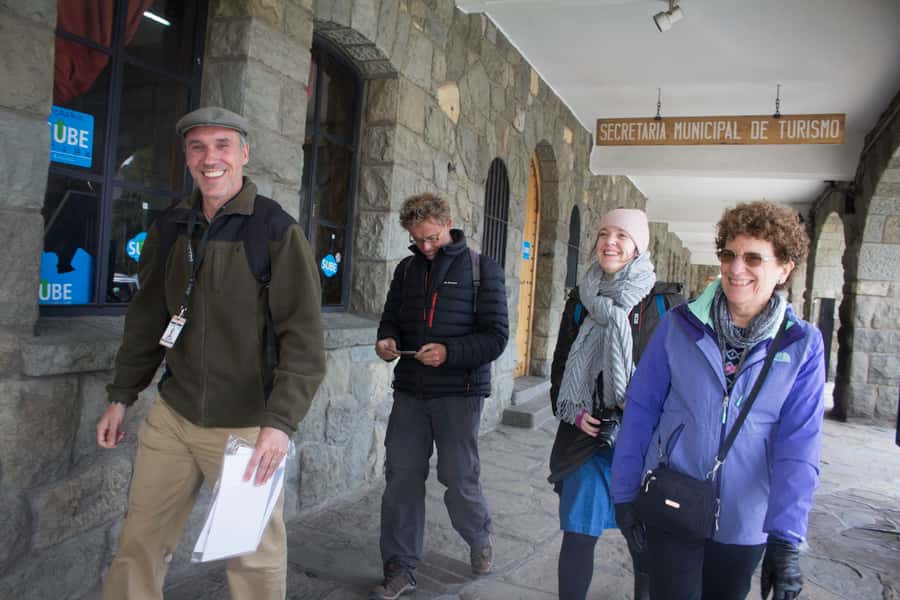
I would recommend this experience to first-time visitors who want a clear introduction to central Bariloche. It suits you especially well if you care about Indigenous history but also want to see major city sights without committing to a long excursion outside town.
It also works for visitors with only part of a day available. The 90-minute duration leaves room for lunch, more museum time, or another activity. Because the route includes both indoor and outdoor stops, it gives you a useful overview without asking for a full-day commitment.
English and Spanish are both available, which makes the tour practical for different language needs. The strongest praise focuses on the guide’s explanations, particularly Diego’s ability to present Native Patagonian history in a thorough but compact way.
This may not be the best choice if you want a remote Indigenous community visit, a long nature walk, or a specialist museum seminar. None of those are promised here. The experience remains in downtown Bariloche and uses the museum, cathedral, and lakeshore to build its story.
Pets are not allowed. That is a small but important point if you are traveling with an animal, since the route includes indoor public sites.
How to fit it into your Bariloche day
The tour works well near the beginning of a visit. Start at the Civic Center, learn the basic story of the area, then decide which parts deserve more of your own time.
One sensible plan is to take the walk in the morning, use the museum return option afterward, and finish with the lake when you are ready. Another is to book it later in the day and use the route as a short cultural stop between other plans. The available starting times vary, so check the schedule before choosing a slot.
You should wear comfortable shoes. The route is only 90 minutes, but you are walking between several locations and may want to continue exploring after the guide finishes.
The booking terms are helpful if your plans are still shifting. You can reserve now and pay later, and cancellation is free up to 24 hours before the activity for a full refund. Those terms do not change the content of the tour, but they make it easier to place the walk into a changing Lake District itinerary.
How this tour handles a large subject in a short time
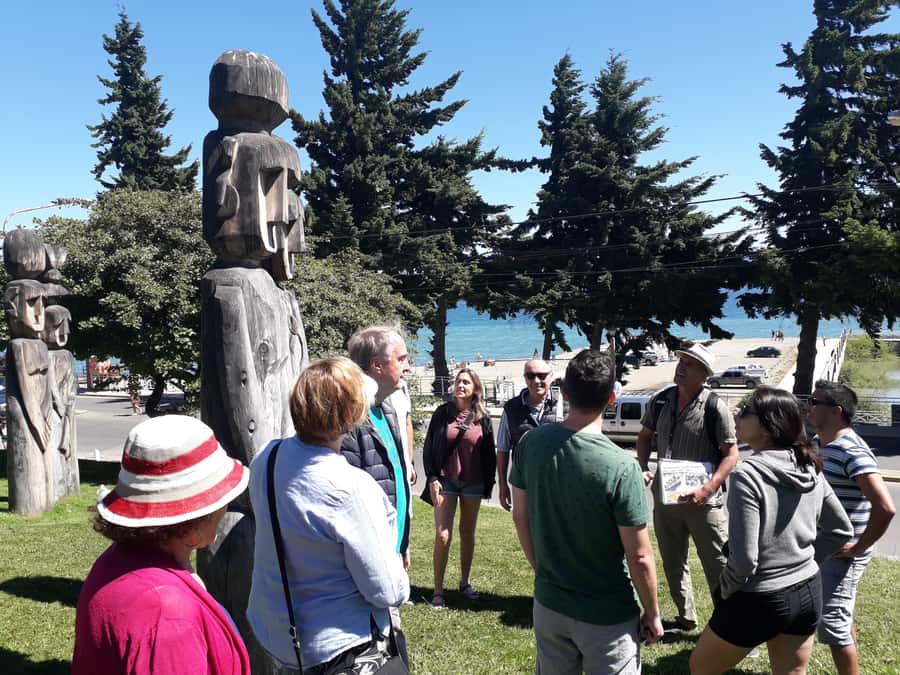
Patagonia’s Indigenous history cannot be covered fully in 90 minutes. That is the central strength and limit of this experience.
The strength is focus. You move through a few carefully chosen places rather than trying to cover the whole region. The museum gives you objects and historical material, the cathedral adds another part of Bariloche’s identity, and the lake provides geographic context.
The limit is that you will not receive an extended treatment of every Indigenous group, period, or collection. The supplied information identifies the museum’s focus on original inhabitants and Native Patagonian peoples, but it does not name specific communities or promise a particular historical period. I would treat the walk as a starting point for further reading or a longer museum visit.
That is not a flaw if you book it with the right expectations. A short introduction can be more useful than a long lecture when you are trying to get your bearings in a new city. The key is to return to the museum afterward if you want more detail.
Final verdict: a compact cultural introduction
Book this tour if you want an efficient way to connect Bariloche’s Indigenous past, city center, cathedral, and lake. The guide-led format is the main reason to choose it, and Diego’s clear explanations make the short schedule work well.
I especially like the museum return option and the final lakeside view. The main caution is the limited time, plus the separate $2 museum contribution. If you want a slow, detailed museum visit, plan to come back later.
For a first look at Bariloche’s cultural story, this is a sensible choice. It gives you useful background, keeps the walking route manageable, and ends with one of the area’s best natural views.
FAQ
How long does the Indigenous People of Patagonia History Tour last?
The tour lasts 90 minutes, or one and a half hours.
Where does the tour meet?
Meet by the door of the tourist information office at Centro Civico Square in Bariloche.
What languages are available?
The official guide speaks English and Spanish.
Is museum entry included in the tour price?
The tour includes access to the Museum of Patagonia, but there is an optional $2 contribution to enter.
Can I return to the Museum of Patagonia later?
Yes. You can use your entry ticket to return later the same day and view the collections at your own pace.
Can I cancel the booking for a refund?
Yes. You can cancel up to 24 hours in advance for a full refund. You can also reserve now and pay later.
Just added in Bariloche
- Bariloche: Victoria Island and Arrayanes Forest Navigation★ 3.4 · 7 reviews
- Bariloche: Tour to Circuito Chico + Optional: Arrayanes★ 4.2 · 3 reviews
- Bariloche: Half Day Kayak to Nahuel Huapi or Moreno Lakes★ 5.0 · 15 reviews
- Bariloche “Small Circuit” with Chairlift Campanario Hill★ 5.0 · 5 reviews
- Bariloche: Guided horseback rides in the Patagonian steppe★ 5.0 · 7 reviews
- San Martin de los Andes along the Route of the 7 Lakes★ 4.5 · 20 reviews
- Bariloche: Puerto Blest and Cascada de los Cántaros (Waterfall of the Cantaros)★ 3.1 · 5 reviews
- Bariloche: Sailing tour on Nahuel Huapi Lake★ 5.0 · 3 reviews
Historical Tours, compared.

Nazis in Buenos Aires: a historical walking tour
Read our review →
Historical Guided Tour with Street Food & Drinks
Read our review →
Recoleta Cemetery – Small Group Tour of History & Secrets
Read our review →
Browse the lists this tour appears in