

Reviewed · WINE TOURS
Wine Tasting in Buenos Aires
Argentina puts a lot of personality into a wine glass, and this one-hour tasting lets you sample bottles from Salta, Patagonia, Mendoza, and Entre Ríos without leaving Buenos Aires. You pair the wines with cheeses, cold cuts, bruschetta, and an empanada, so the food is more than a token snack.
I like the regional variety and the chance to compare an independent selection with the Catena Zapata option. I also like the relaxed bar and shop setting, which is easy to find and offers a friendly place to linger. The main drawback is pace: one hour can feel hurried, especially if you want a proper explanation of each bottle.
Key points at a glance
- Four wines are listed in each menu, despite one description referring to a tasting of three glasses.
- The Federal menu travels across Argentina, from Salta Torrontés to Entre Ríos Tannat.
- The Catena Zapata Clásico menu focuses on one major winery, with Chardonnay, Cabernet Franc, Cabernet-Malbec, and Syrah.
- Food pairings are substantial, including selected cheeses, assorted cold cuts, bruschetta, and a traditional empanada.
- The format may be individual or very small, not necessarily a hosted group event.
- The one-hour length is convenient but tight, and you should confirm the venue and exact wine count before paying.
Four Argentine regions in one short tasting
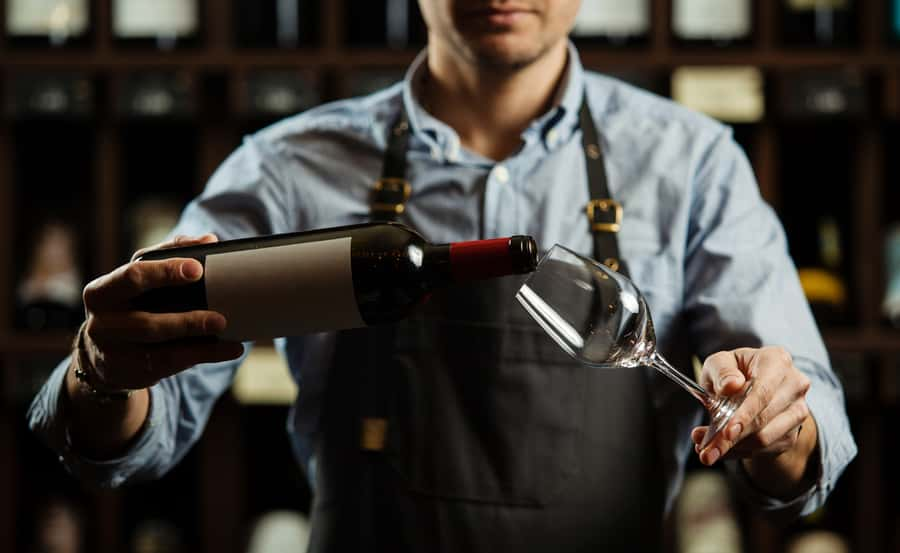
The Federal Tasting Menu is the more varied choice. It gives you a quick tour of Argentina’s wine-producing regions, with each glass matched to a different food.
You begin with Bruschetta Serrana and Coquena Torrontés from Salta. Torrontés is one of Argentina’s best-known white grapes, and Salta is far north in the country, where vineyards sit at high altitude. The pairing gives the tasting a fresh opening before moving into heavier reds.
Next come selected cheeses with Primogénito Noir from Patagonia. The menu uses the name Noir, so this is the lighter red step in the sequence. Cheese is a sensible match here, allowing you to compare the wine’s character without the stronger seasoning of cured meats or an empanada.
The third pairing is cold cuts with Gouguenheim Reserva Malbec from Mendoza’s Tupungato area. This is the most familiar Argentine pairing for many visitors. Mendoza Malbec and savory cured meats make an easy match, and the Tupungato reference gives you a specific place to remember rather than a generic red wine label.
The final pairing is a traditional empanada with Julepe Tannat from Entre Ríos. Tannat is a firm, dark red grape often associated with Uruguay, so seeing it from Entre Ríos adds another useful point of comparison. The empanada brings the tasting back to Argentine food, not just Argentine wine.
The Federal menu suits you best if you want breadth rather than brand recognition. You get more regional contrast, though you may receive less detail about one particular winery.
Other tastings without leaving the city:
- Buenos Aires: Wine Tasting and Lunch at Bodega Gamboa
★ 4.8 · 177 reviews - Premium Argentinian Wines and Malbec Tasting Experience
★ 4.6 · 60 reviews - Buenos Aires: Palacio Barolo Guided Night Tour with Wine
★ 4.4 · 54 reviews
The Catena Zapata menu takes a narrower path
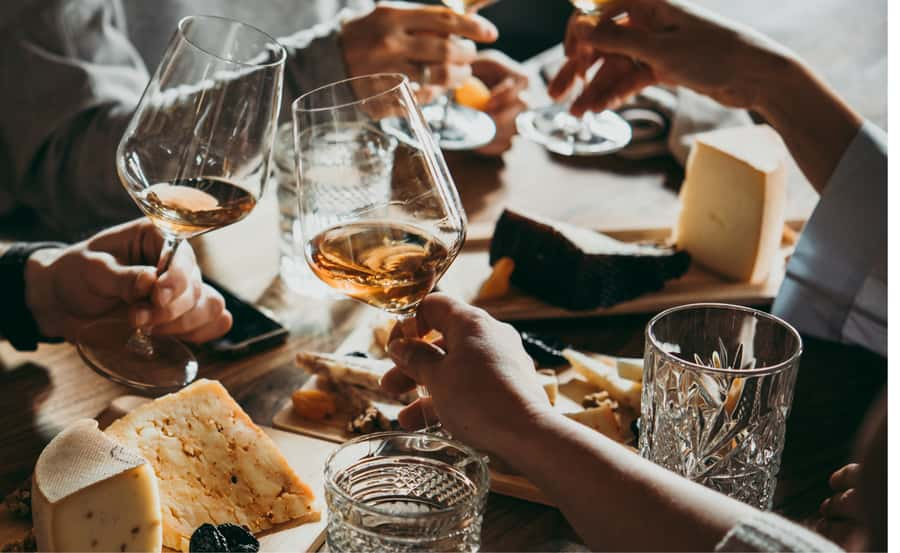
The Catena Zapata Clásico option follows the same food pattern but puts the spotlight on wines connected with one of Argentina’s best-known producers.
Bruschetta Serrana comes with Saint Felicien Chardonnay. This gives you a white wine at the start, with a familiar grape that is easy to compare with the Torrontés in the Federal menu. If you are still learning your way around Argentine wine, this contrast is useful.
Selected cheeses are paired with Nicasia Cabernet Franc. Cabernet Franc can show a different side of a red wine than Malbec, and the cheese course keeps the pairing gentle enough for comparison.
Cold cuts accompany DV Catena Cabernet-Malbec. The blend brings together two grapes strongly associated with Argentina’s modern wine identity. The cold cuts should give you a salty, savory counterpoint to the wine’s fruit and structure.
The last pairing is a traditional empanada with DV Catena Syrah-Syrah. The repeated grape name is part of the stated wine title, and the hearty final pairing makes sense as the tasting closes.
I would choose this menu if you care more about following a recognizable winery family than sampling regions across the country. It is a more focused experience, while the Federal choice gives you a broader map of Argentine wine.
The food makes this more than a few small pours
The accompaniments are one of the strongest parts of the experience. You receive Bruschetta Serrana, selected cheeses, assorted cold cuts, and a traditional empanada. That is a useful amount of food for a one-hour tasting, especially compared with tastings that offer only crackers or one small bite.
The pairings also follow a clear progression. The bruschetta starts light, cheese adds body, cold cuts bring salt and fat, and the empanada finishes with a more distinctly Argentine note. I like that structure because it gives each wine a job at the table.
Still, do not book this expecting a full meal or a menu of alternatives. The food is set as part of the tasting, and extra drinks and food options are not included. If you have an allergy or dietary restriction, tell the provider ahead of time. The supplied information does not promise substitutions, so you should get confirmation before booking.
One hour means a brisk pace
The short duration is both a benefit and a limitation. At one hour, this fits neatly into an afternoon or evening in Buenos Aires. You do not need to give up half a day, arrange transportation, or build your schedule around a long countryside excursion.
The tradeoff is time. Four wines, four food pairings, and explanations in 60 minutes leave little room for a slow tasting. If the guide gives only brief notes, you may feel that the wines arrive one after another without enough time to compare them.
The experience is conducted in English or Spanish, but some content may be presented in its original language. You can reasonably expect help understanding the wines, yet the format may not provide a long technical lesson about grape growing, winemaking, or regional geology.
One important detail deserves attention. The description refers in one place to three glasses of wine, while both menu options list four wines, and the included items also specify four wines. I would confirm this point before booking. The four listed wines appear to be the intended format, but the wording is not perfectly consistent.
More wineries within reach of Buenos Aires:
- Discover Argentine Wines Paired with Delicious Tapas
★ 5.0 · 51 reviews - Sailing with Wine Tasting in Buenos Aires
★ 5.0 · 50 reviews - Premium Empanadas Cooking Class & Wine Tasting Experience
★ 4.9 · 35 reviews - Buenos Aires: Small-Group Wine Tasting
★ 4.8 · 18 reviews
Expect a small setting, not a big wine class
This is not clearly designed as a large group event. The format may be individual, with other people in the same bar or shop taking separate tastings. That can be pleasant if you prefer a quiet setting and want to move at your own pace.
A small setup also means the atmosphere may depend on the number of bookings that day. You might find the room nearly empty, which makes the tasting feel personal but less social. If your ideal wine experience involves a lively table of strangers, this may not match your expectations.
The venue is described as a bar and shop, and the location is reported as easy to find. The tasting venue is subject to availability and can change, so check the final meeting details rather than assuming the same address is guaranteed.
If your tasting ends after dark, plan your walk back with care. One direct account described the area outside the bar as uncomfortable for walking alone at night, particularly for a woman. The information does not provide a transfer, so consider arranging your own taxi or ride service if you do not know the neighborhood.
Is $60 a fair price?
At $60 per person, the value depends on what you want from the hour. You are paying for four wines, the food pairings, a guide in English or Spanish, and the convenience of sampling Argentine labels in Buenos Aires rather than arranging several restaurant stops.
The price makes more sense if you are curious about Argentine wine but do not know where to start. You can taste Torrontés, Malbec, Tannat, Cabernet Franc, Chardonnay, and blends in a single sitting. The food also helps prevent the experience from feeling like four isolated pours.
The value is weaker if you already know wine well and expect a detailed professional tasting. The short format may not offer enough time for serious discussion, and one account found the tasting too rushed for the cost. You may get more pleasure from ordering a good Argentine bottle at a restaurant, especially if you want to linger.
I would see this as a convenient introduction, not a full wine education. The fee buys variety and simplicity. It does not guarantee a long conversation, a private sommelier session, or a large social gathering.
Which menu should you choose?
Choose the Federal Tasting Menu if you want to understand Argentina through place. The progression includes Salta, Patagonia, Mendoza, and Entre Ríos, making it the better option for comparing regional styles.
Choose Catena Zapata Clásico if you prefer a more recognizable producer and want to compare several wines under one winery umbrella. This menu may feel more coherent, but it gives you less regional range.
If you cannot decide, I would lean toward the Federal menu for a first visit to Argentina. The spread of regions makes the hour more memorable, and you can always explore Catena Zapata later at a restaurant or wine shop.
Before confirming, check which option is available, since the venue and details may depend on availability. Also verify that the four-wine format is being offered, given the conflicting reference to three glasses.
Who will enjoy this tasting most?
I would recommend it to:
- First-time wine drinkers who want an easy introduction to Argentine labels.
- Couples or solo visitors looking for a compact food and drink activity.
- People who enjoy pairing wine with savory food rather than drinking wine on its own.
- Visitors with only an hour free in Buenos Aires.
- Wine fans who want to compare Argentine regions or Catena Zapata selections.
I would hesitate if you want a long formal seminar, a guaranteed group experience, or a full dinner. I would also choose another plan if you need extensive dietary flexibility or do not want to arrange your own transport.
Bring a credit card and cash. The activity is for people over 18, and it is not suitable for children under 18 or babies under one year. No transfer is included, and drinks beyond the stated wines are extra.
The booking information says you can reserve now and pay later, which is useful when your Buenos Aires schedule is still changing. Cancellation terms need a careful look because the supplied details are not fully consistent: one section says a full refund is available up to 24 hours before the tasting, while another gives a 48-hour cutoff for a full refund and partial refund between 24 and 48 hours. Confirm the exact policy at checkout.
My call: book it for variety, not for a long lesson
I would book this tasting if I wanted a simple way to try several Argentine wines with genuinely useful food pairings. The regional menu, the empanada, the cheeses, and the easy-to-find venue give the experience a clear purpose.
I would not book it expecting a leisurely master class. The hour can move fast, the format may be individual rather than social, and the level of wine explanation may be limited. Confirm the venue, the number of wines, the cancellation rule, and any food restrictions before paying.
For a first taste of Argentina’s wine culture, the Federal menu offers the best range. For a focused brand experience, choose Catena Zapata Clásico.
FAQ
How long does the wine tasting last?
The tasting lasts one hour.
How many wines are included?
Both menu options list four wines. One part of the description refers to three glasses, so confirm the exact format before booking.
What food is included?
The tasting includes Bruschetta Serrana, selected cheeses, assorted cold cuts, and a traditional empanada.
Can I choose between different wine menus?
Yes. You can choose the Federal Tasting Menu or the Catena Zapata Clásico menu, subject to availability.
Is transportation included?
No. Transfers are not included.
What languages are available?
The experience is offered in English and Spanish. Some content may be presented in its original language.
Can I cancel for a refund?
The activity information says cancellation up to 24 hours in advance qualifies for a full refund. Another section gives different 48-hour and partial-refund terms, so check the exact cancellation policy when booking.
More Food & Drink in Buenos Aires
- Buenos Aires: 9-Course Argentine Meat Tasting at Fogón Asado
★ 4.9 · 826 reviews - Buenos Aires: Local Foodie Adventure with Sherpa Food Tours
★ 4.9 · 670 reviews - Buenos Aires Food Tour: Local Dishes, Steak, Empanada & More
★ 5.0 · 118 reviews - San Telmo: Historical Guided Tour with Street Food & Drinks
★ 5.0 · 87 reviews
Just added in Buenos Aires
- Tango Show at El Querandi with optional Dinner★ 4.2 · 3 reviews
- Walking Tour: Buenos Aires bookstores★ 4.3 · 12 reviews
- Velez Sarsfield Football Match★ 5.0 · 3 reviews
- Private Underground Tango Immersion★ 5.0 · 31 reviews
- Tour Buenos Aires in one day on Electric Scooters★ 5.0 · 33 reviews
- Sailing with Wine Tasting in Buenos Aires★ 5.0 · 50 reviews
- Experience The Essence of Buenos Aires in San Telmo★ 5.0 · 51 reviews
- Teatro Colon Guided Tour Admission Ticket★ 4.0 · 208 reviews
Wine Tours, compared.



Full-Day Tour Cafayate Calchaquí Valleys with Wine
Read our review →


Browse the lists this tour appears in