
Reviewed · HISTORICAL TOURS
Buenos Aires: Historic Buenos Aires Landmarks & Icons Tour
Buenos Aires lays out much of its political and colonial story around one square. This 150-minute walking tour uses Plaza de Mayo as its stage, taking you from Casa Rosada and the Metropolitan Cathedral to the Cabildo and Manzana de las Luces.
I like the way the route mixes famous photo stops with places that explain how the city grew. I also like the personal touch of guide Miguel, who has been praised for clear explanations, patience, and even showing a guest how to drink mate.
The main drawback is simple: this is a walking tour in the open air, with a significant amount of time on foot. The activity is listed in Spanish and is not suitable for wheelchair users or people with mobility impairments.
Key points at a glance
- Casa Rosada and Plaza de Mayo: See the seat of Argentina’s national government and the country’s most important public square.
- Miguel’s personal guiding style: The guide is noted for adapting his explanations, answering questions, and helping visitors follow along.
- Colonial and civic Buenos Aires: Visit the Cabildo, Metropolitan Cathedral, Manzana de las Luces, and former convent and postal buildings.
- A museum stop with national symbols: The Bicentennial Museum contains presidential relics and works of art.
- Good value at $20: Two and a half hours of guided sightseeing costs less than many short city excursions.
- Outdoor city touring: Wear comfortable shoes, carry water, and check the forecast before setting out.
Why this central Buenos Aires walk works
I see this tour as a useful first look at Buenos Aires, especially if you want the city’s major sights explained rather than simply photographed. The route stays in the historic center, so you spend your time learning how government, religion, trade, and public life came together around Plaza de Mayo.
The price also makes sense for a short orientation walk. At $20 per person, you get a live guide for two and a half hours, with several stops that include guided visits. There is no transport, meal, or hotel pickup, but you do not need those extras for this compact central route.
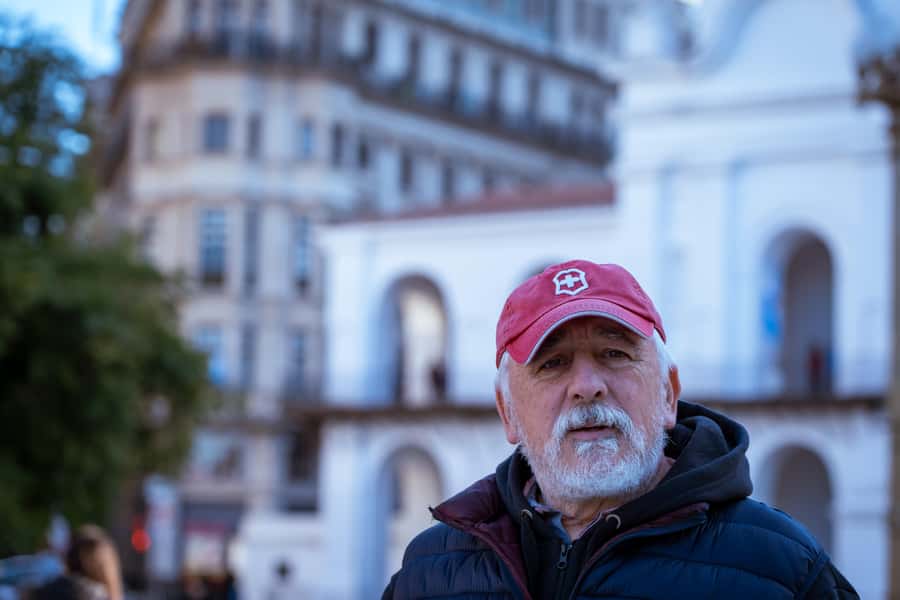
The guide matters here. Miguel receives especially strong praise for his command of local history and his friendly manner. One person described him as attentive throughout the walk, while another noted that he adjusted his explanations for a visitor whose Spanish was limited. The scheduled language is Spanish, but Miguel has adapted to English for at least one participant, so it is worth checking the language details carefully when booking.
You should also set realistic expectations. This is not a slow café crawl or a bus tour with a seat. You will walk between central buildings, spend time outdoors, and likely deal with city weather, pavement, and crowds around major public sites.
A few more things to do in Buenos Aires worth a look
- Nazis in Buenos Aires: a historical walking tour
★ 4.9 · 193 reviews - San Telmo: Historical Guided Tour with Street Food & Drinks
★ 5.0 · 87 reviews - Buenos Aires: La Boca Art and History Walking Tour
★ 4.8 · 55 reviews
Plaza de Mayo and the Casa Rosada
Meet your guide near the flagpole at Plaza de Mayo. This is a practical starting point because the square brings several of Buenos Aires’ most important buildings into one view, and it gives you an immediate sense of how the city’s public life is organized.
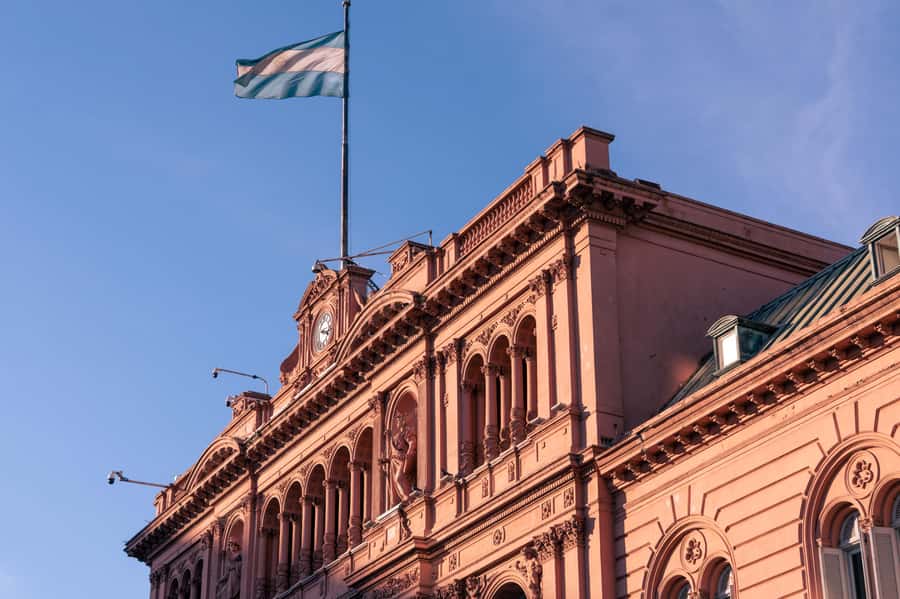
Casa Rosada is the first major landmark on the listed route. The pink government palace makes an easy photo stop, but the guide’s explanation is what gives the building weight. You will hear about its role in national politics and see how it relates to the rest of the square.
The scheduled Casa Rosada portion lasts about 10 minutes and includes a photo stop, guided commentary, and a pass by. That wording matters: you should not assume a full interior palace tour. The value here is the setting and the explanation, not hours inside the building.
Take a moment to look beyond the pink façade. Plaza de Mayo surrounds Casa Rosada with other important civic and religious buildings, so the guide can connect the architecture to the country’s political story. I find this kind of introduction useful because it gives later stops a clear frame.
The Garay Monument and the city’s second founding
The Monumento a Juan de Garay receives about 10 minutes of guided attention and a photo stop. It marks the site associated with Buenos Aires’ second founding, giving you a direct link to the city’s early development.
This is one of the route’s less obvious stops. You may recognize Casa Rosada from photographs, but the Garay Monument is the sort of detail you could easily pass without context. That makes the guide especially useful here.
The stop also offers a view toward the historic center. You get more than a statue and a date. You get a chance to see how the older civic core fits together and why this part of Buenos Aires carries so much symbolic weight.
The Bicentennial Museum’s national collection
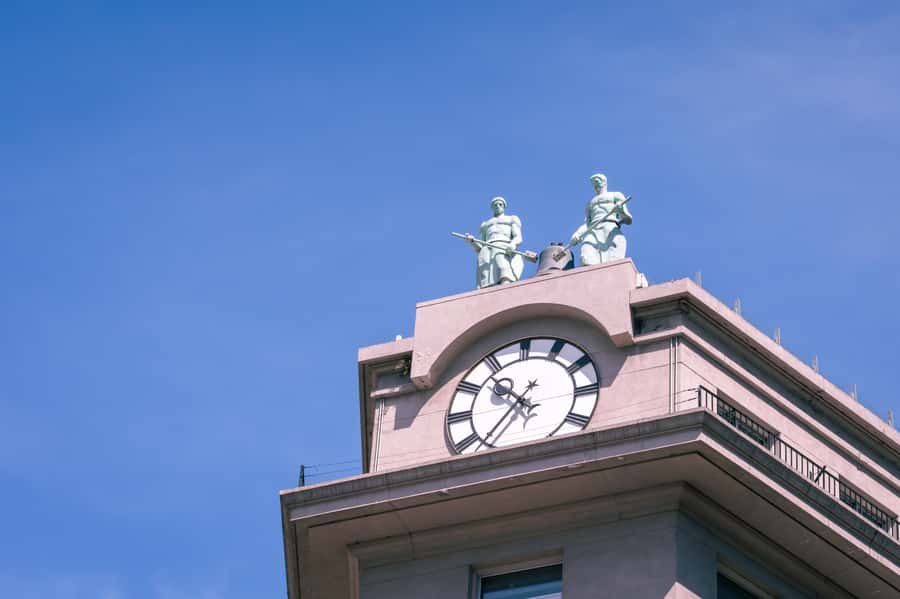
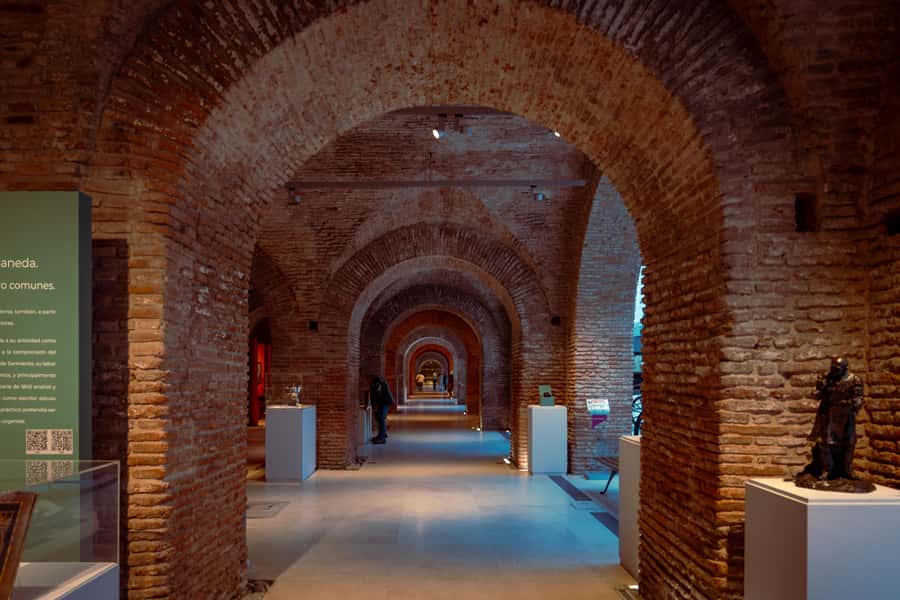
The Museo del Bicentenario is scheduled for a 20-minute visit with guided sightseeing. It contains relics connected with past presidents and works of art, so this is the tour’s clearest museum stop.
Twenty minutes is enough for a focused introduction, but not enough to inspect every display at length. I would treat it as a sampler. Listen to the guide’s explanation, note the objects that interest you, and return on your own if you want more museum time later.
This stop gives the walk some balance. You are not only looking at façades and monuments. You also get a chance to see objects tied to Argentina’s national leadership and public memory.
The wider area includes the former San Ramón Nonato Convent, now associated with the Central Bank of the Argentine Republic. Its changing use illustrates how old religious buildings can become part of modern civic life. Depending on the exact order and access on the day, your guide may use this area to explain another layer of the center’s development.
Same base, a different kind of day out:
- Buenos Aires Hop-On Hop-Off Bus, Free Walking Tours & Discounts
★ 4.5 · 2,218 reviews - Buenos Aires: Piazzolla Tango Show with Optional Dinner
★ 4.4 · 2,122 reviews - Buenos Aires: City Highlights Guided Tour with Transfer
★ 4.7 · 1,946 reviews - Buenos Aires: Hop-On Hop-Off City Bus Tour
★ 4.2 · 1,855 reviews
The Metropolitan Cathedral and the Cabildo
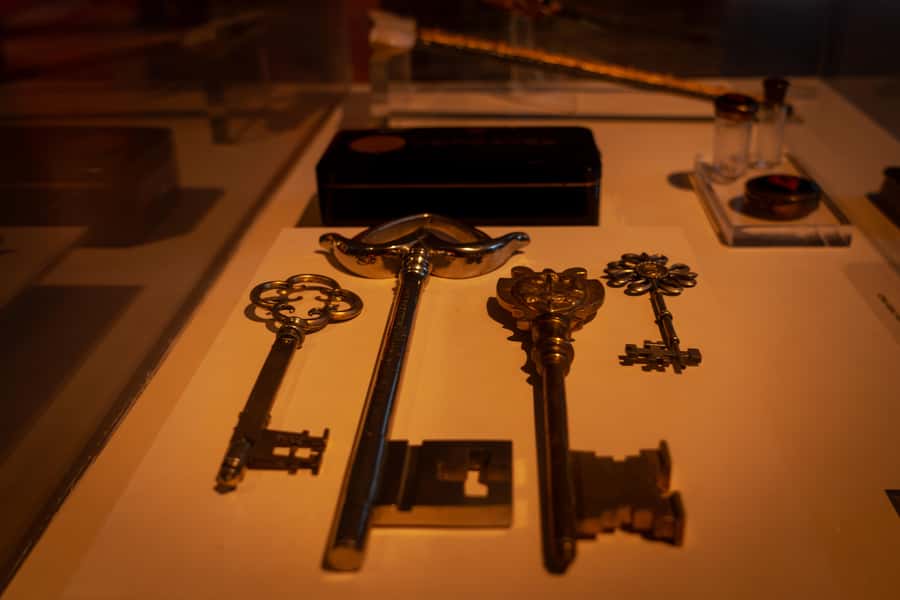
The Buenos Aires Metropolitan Cathedral receives around 20 minutes, including a visit, photo stop, and guided explanation. Its position beside Plaza de Mayo makes it one of the essential stops, but the interior visit gives you more than an exterior photograph.
A church visit can also provide a needed pause from the street. You can look closely at the building while Miguel explains its place in the city’s religious and public life. Keep in mind that this remains a group walking tour, so the time inside will be limited.
Next comes the Cabildo of Buenos Aires, also scheduled for about 20 minutes. This building now functions as a museum connected with the history of the city and the nation. It is one of the best stops for understanding the colonial period and the civic institutions that came before modern Argentina.
I like the pairing of the Cathedral and Cabildo. One represents religious authority, the other civic administration. Together, they help you read Plaza de Mayo as more than a scenic square. It was and remains a place where public power, national identity, and daily city life meet.
Manzana de las Luces and the older city
The tour continues to Manzana de las Luces, with another 20-minute guided visit and photo stop. The name refers to a historic block associated with education, religious life, and early intellectual activity.
This is the kind of place that rewards a guide who can explain connections. Without context, an old building block may look like another stop on a long list. With a clear account of its former uses, you can see how the city’s first institutions took shape in a small central area.
The tour description also includes the former grand post office palace, now a cultural center, and the site connected with Buenos Aires’ second founding. These buildings and monuments broaden the route beyond the most familiar government sights.
You may not spend equal time at every place. The itinerary lists several 20-minute visits, while Casa Rosada receives a shorter 10-minute segment, and the whole experience lasts 150 minutes. That means the guide must keep the walk moving. If you want long museum visits or detailed architectural study, plan a return visit after the tour.
Beyond Plaza de Mayo: customs, defense, and public art
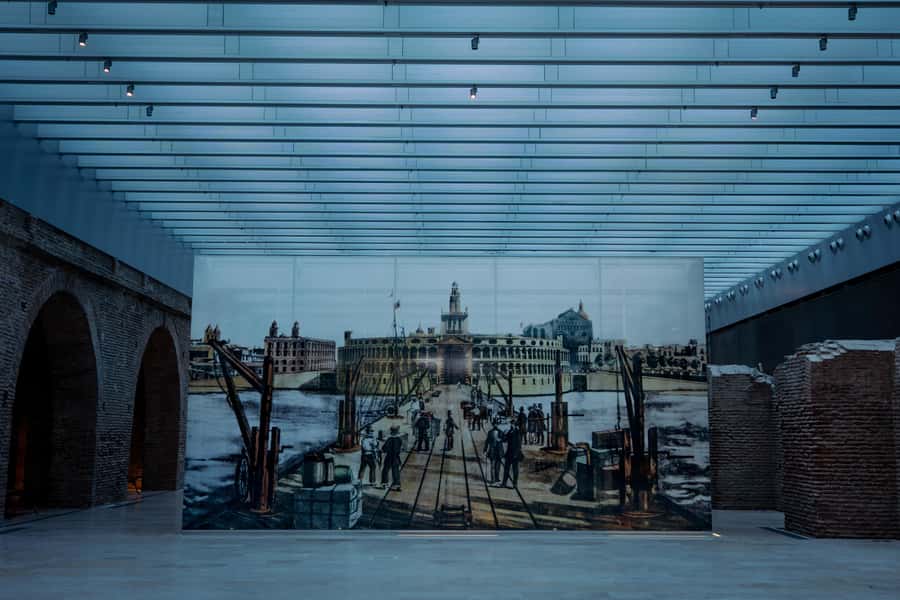
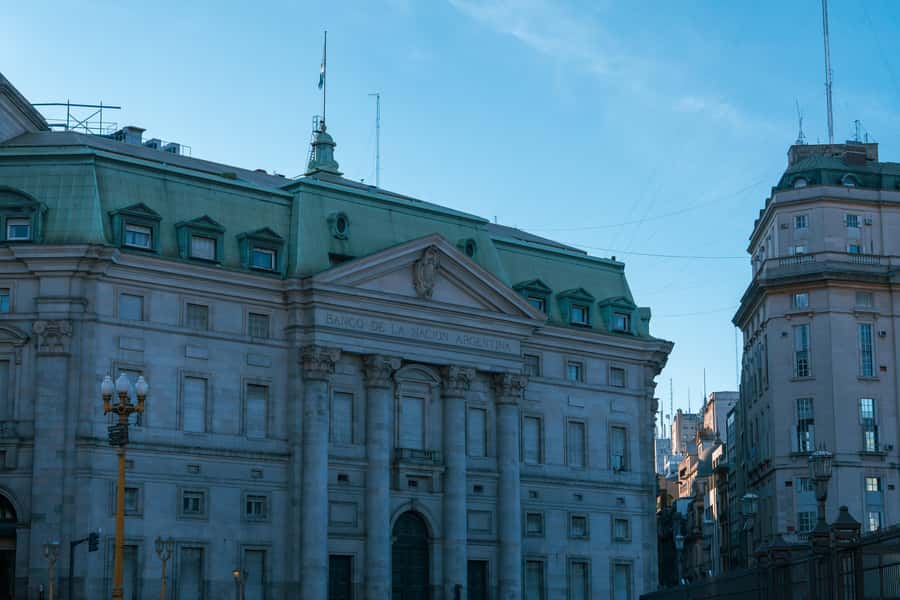
The route also takes in the Bank of the Argentine Nation, the Ministry of Defense, and the National Customs House. These large civic buildings help show the scale of Argentina’s government and commercial institutions.
The Ministry of Defense is noted for its size and views. The National Customs House brings the story toward trade and the riverfront side of the central district, while the bank adds another major public building to the architectural mix.
The tour ends at Comic Strip Plaza. This gives the finish a lighter, more popular-culture note after the formal government buildings, churches, museums, and colonial sites. It is a useful reminder that Buenos Aires is not only about national ceremonies and grand institutions. The city also makes room for humor and everyday visual culture.
Because the supplied route highlights both the official itinerary and additional nearby landmarks, you should expect the guide to shape the exact order according to access, timing, and street conditions. The core promise remains the same: a concentrated walk through central Buenos Aires’ most important public places.
What Miguel adds to the experience
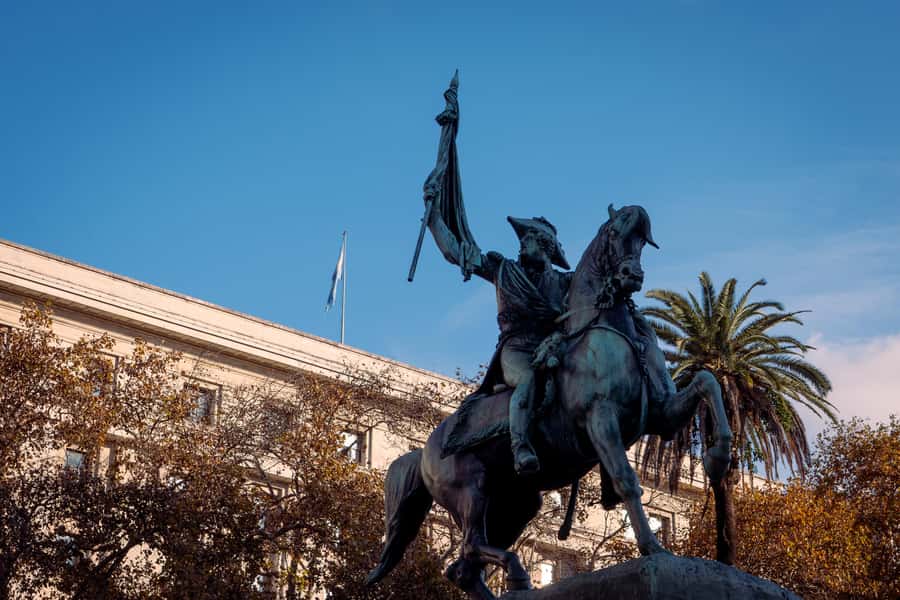
The strongest feature here is the guide rather than any single building. Miguel is repeatedly praised for explaining the city with energy and care, and for responding to questions instead of delivering a fixed speech with no room for conversation.
That can make a major difference on a history-heavy walk. Buildings such as a bank, customs house, or former convent may not hold your attention on their own. A good explanation gives each one a purpose and connects it to the next stop.
Miguel has also shown personal flexibility. He adapted his delivery for someone whose Spanish was not strong, and another participant described him as attentive and protective during the walk. A separate account mentions that he even demonstrated how to drink mate, adding a small slice of local life to the formal history.
The activity is officially listed in Spanish, so you should not treat English guidance as guaranteed. Still, if language is a concern, the evidence suggests that Miguel may make an effort to help you follow the tour. Ask before booking if you need a specific language.
Is $20 good value?
For $20, this is good value if you want a guided introduction to central Buenos Aires. The duration is long enough to cover major sights without taking an entire day, and the route includes several places you might otherwise see only from the outside.
You are paying for explanation and organization, not transport or exclusive access. There is no hotel pickup, drop-off, food, or drink included. Meet at Plaza de Mayo, and plan your route to and from the square yourself.
The value is strongest for a first visit. You can use the walk to identify places you want to revisit, especially the Bicentennial Museum, Cabildo, Cathedral, or Manzana de las Luces. If you already know the central district well, the tour’s worth will depend more on Miguel’s storytelling than on the landmarks themselves.
Practical advice before you go
Wear comfortable walking shoes. The route covers a significant amount of ground, and the outdoor portions mean you should check the forecast before leaving.
Bring a hat, sunscreen, and water. Buenos Aires can be hot, and the tour does not include drinks. Dress for the day rather than relying on the idea that a city-center walk will always be cool or sheltered.
Arrive at the flagpole in Plaza de Mayo with enough time to find your guide. Since there is no hotel pickup, the meeting point is an important part of your planning.
The tour is not suitable for wheelchair users or people with mobility impairments. If stairs, long walks, or uneven surfaces are difficult for you, this is not the right format.
Cancellation is flexible: you can cancel up to 24 hours before the activity for a full refund. You can also reserve now and pay later, which helps if you are still arranging your Buenos Aires schedule.
Who should book this walk?
I would recommend it to first-time visitors who want the central sights tied together by a local guide. It also suits anyone who enjoys political history, colonial buildings, public squares, and short museum visits.
It is a good fit if you like asking questions and listening to a guide build a story from several different places. Miguel’s reported patience and flexibility are useful qualities on a route where the subject matter can be dense.
I would be more cautious if you want a relaxed pace, extensive time inside museums, or a tour in English confirmed from the start. The official language is Spanish, the schedule is compact, and several stops compete for attention within 150 minutes.
Should you book the Historic Buenos Aires Landmarks and Icons Tour?
Book it if you want a low-cost, guided orientation to Plaza de Mayo and the surrounding historic center. The combination of Casa Rosada, the Cathedral, Cabildo, Manzana de las Luces, Bicentennial Museum, and major civic buildings gives you a useful first map of Buenos Aires.
The best reason to choose it is Miguel’s personal approach. The buildings are important, but his ability to explain them, answer questions, and adjust to the group appears to be the experience’s strongest feature.
Skip it if mobility limits make a long outdoor walk difficult, or if you need a guaranteed English tour. For everyone else, $20 buys a solid introduction, with enough landmarks and local context to help you plan the rest of your stay.
FAQ
Where does the tour start?
Meet your guide near the flagpole at Plaza de Mayo.
How long does the tour last?
The tour lasts 150 minutes, or two and a half hours.
What language is the tour in?
The listed tour language is Spanish.
Can the guide provide explanations in English?
The tour is listed in Spanish, but Miguel adapted his explanations in English for at least one participant. English should be confirmed before booking if it is essential for you.
Which major landmarks are included?
The route includes Casa Rosada, the Garay Monument, the Bicentennial Museum, the Buenos Aires Metropolitan Cathedral, the Cabildo of Buenos Aires, and Manzana de las Luces.
Is the tour mainly outdoors?
Yes. The activity includes substantial walking outdoors, along with visits and guided stops at several buildings and museums.
Is hotel pickup included?
No. Hotel pickup and drop-off are not included. You must reach the meeting point at Plaza de Mayo.
Are food and drinks included?
No. Food and drinks are not included. Bring water, especially on hot days.
What should I bring?
Bring comfortable walking shoes, a hat, sunscreen, and water. Check the forecast and dress for the weather.
Is the tour accessible for wheelchair users?
No. The activity is not suitable for wheelchair users or people with mobility impairments.
Can I cancel for a refund?
Yes. You can cancel up to 24 hours in advance for a full refund.
Do I have to pay when I book?
No. The reserve-now, pay-later option lets you hold your place without paying immediately.
Just added in Buenos Aires
- Buenos Aires: Small-Group Wine Tasting★ 4.8 · 18 reviews
- Buenos Aires: Speakeasy & Mixology Bar Tour with Cocktails★ 5.0 · 5 reviews
- Premium Empanadas Cooking Class & Wine Tasting Experience★ 4.9 · 35 reviews
- Buenos Aires: Rojo Tango Show with Optional Dinner★ 3.4 · 3 reviews
- Buenos Aires: Santa Susana Ranch Day Tour, BBQ & Shows★ 4.6 · 32 reviews
- Buenos Aires:Small Group Tour AM & Sunset Open Bar Cruise PM★ 4.5 · 15 reviews
- Buenos Aires: Private Photo Tour for Ammateur Photographers★ 4.9 · 5 reviews
- Buenos Aires: Private Recoleta Cemetery Walking Guided Tour★ 4.6 · 13 reviews
Historical Tours, compared.
Nazis in Buenos Aires: a historical walking tour
Read our review →
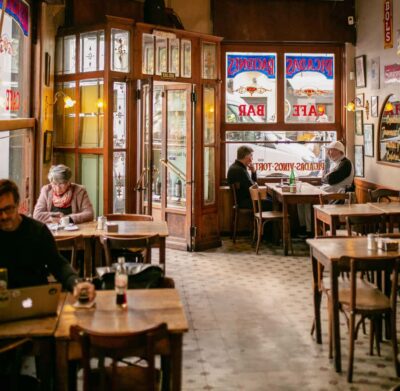
Historical Guided Tour with Street Food & Drinks
Read our review →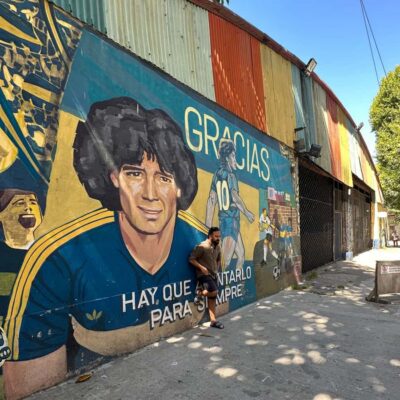
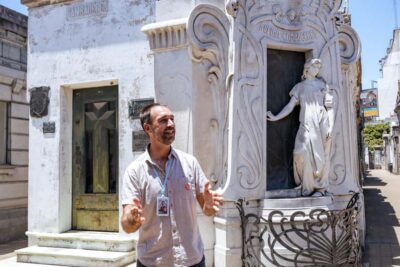
Recoleta Cemetery – Small Group Tour of History & Secrets
Read our review →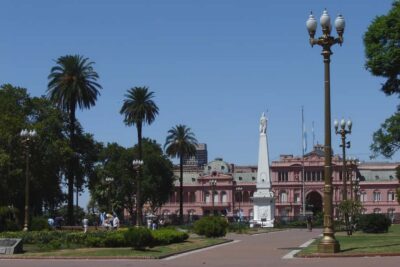
Browse the lists this tour appears in