
Reviewed · ARGENTINE FOOD & EMPANADA TOURS
Premium Empanadas Cooking Class & Wine Tasting Experience
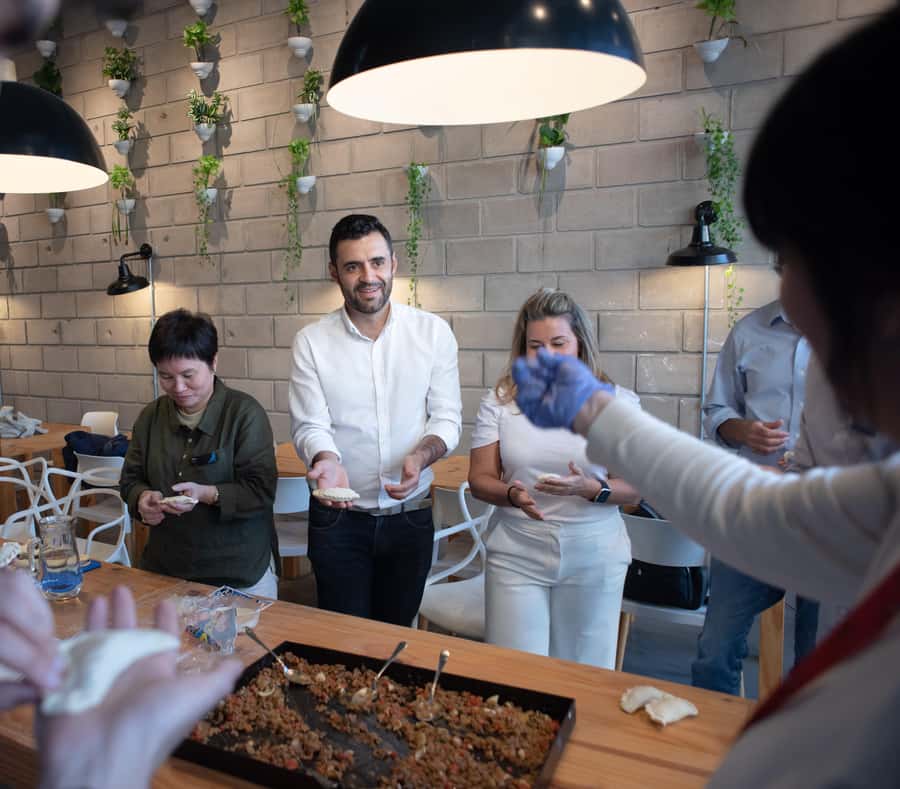
Argentine empanadas are simple, filling, and made for sharing, but the real treat here is learning how they come together while tasting three of the country’s best-known wine styles. The class takes place in Palermo, where a clean, bright venue and small groups make it easy to follow the cooking and chat with your guide.
I like two things in particular: the tasting is tied to the cooking instead of being a separate wine lecture, and the class gives you useful context about Argentine food and grapes. Guides such as Catalina, Valentin, Lourdes, Fernando, and Tomás have also helped with city recommendations. The main caution is the $49 price, which is fair for a two-hour class with wine, but less appealing if you want a full meal or a longer cooking lesson.
Key points to know before booking
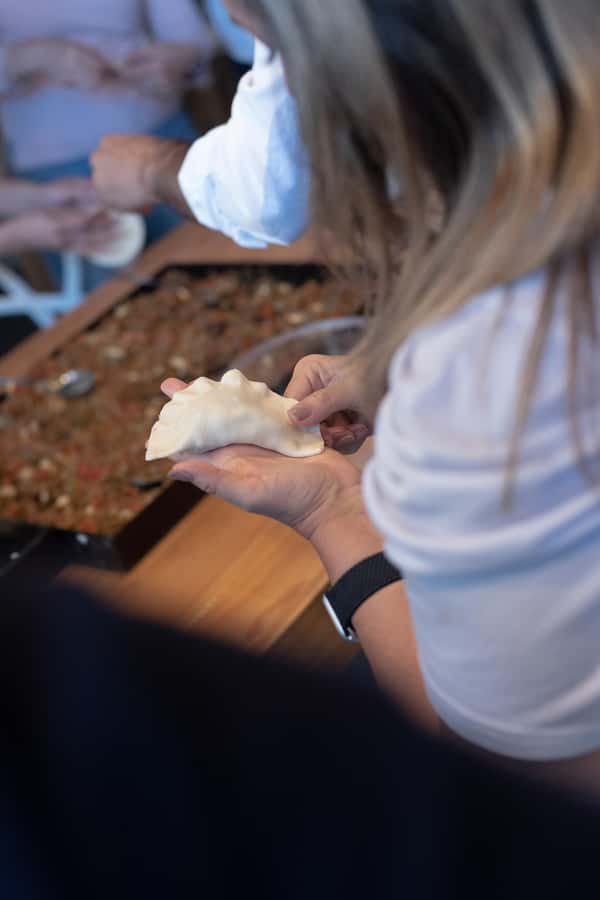
- You make the empanadas yourself, from the recipe and ingredients to the finished food.
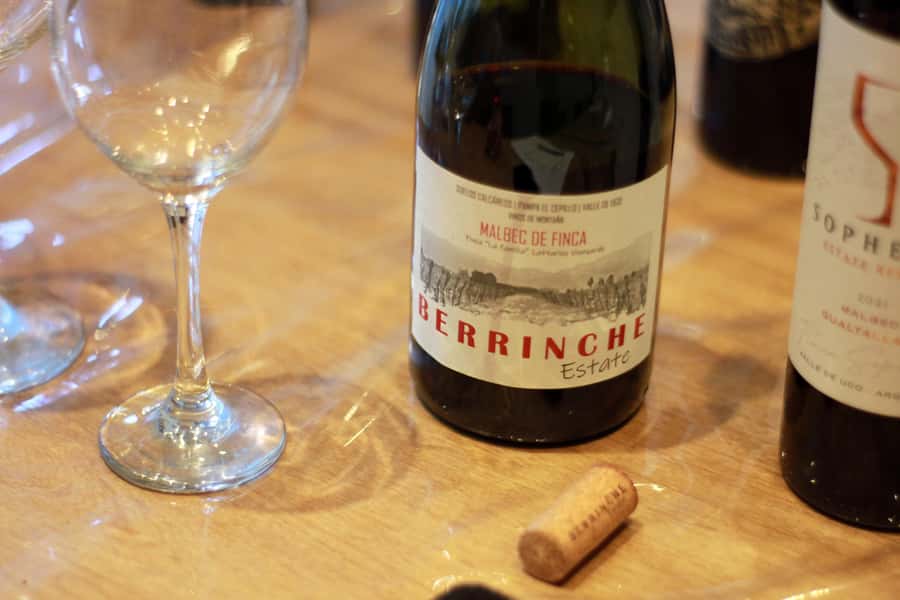
- Three Argentine wine styles are included: Malbec, Cabernet Sauvignon, and Cabernet Franc.
- The class takes place in Palermo, at the Gorriti meeting point, with the address listed as 4882 in one place and 4886 in another.
- Small groups help the class feel social, with one reported group of seven and another session attended by only one couple.
- Guides speak Spanish, English, and Portuguese, and may offer useful suggestions for eating and sightseeing in Buenos Aires.
- The experience is for adults only, and it runs for about two hours, rain or shine.
Making empanadas in Palermo
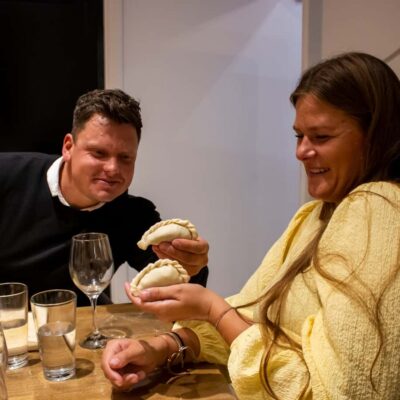
The best part of this experience is its hands-on focus. You do not simply sit down to eat a plate of empanadas. You learn the basic process, work with the ingredients, shape the pastries, and cook what you have made.
That matters because empanadas are one of Argentina’s most useful everyday foods. They can serve as breakfast, lunch, dinner, an appetizer, or a quick snack. Once you learn the method, you have more than a pleasant meal. You have a dish you can try to recreate at home.
The class follows an authentic recipe, with the guide explaining the steps as you work. You can expect instruction on preparing and filling the dough, folding the empanadas, and getting them ready to eat. The exact pace depends on the group, but the class is designed to be approachable rather than technical.
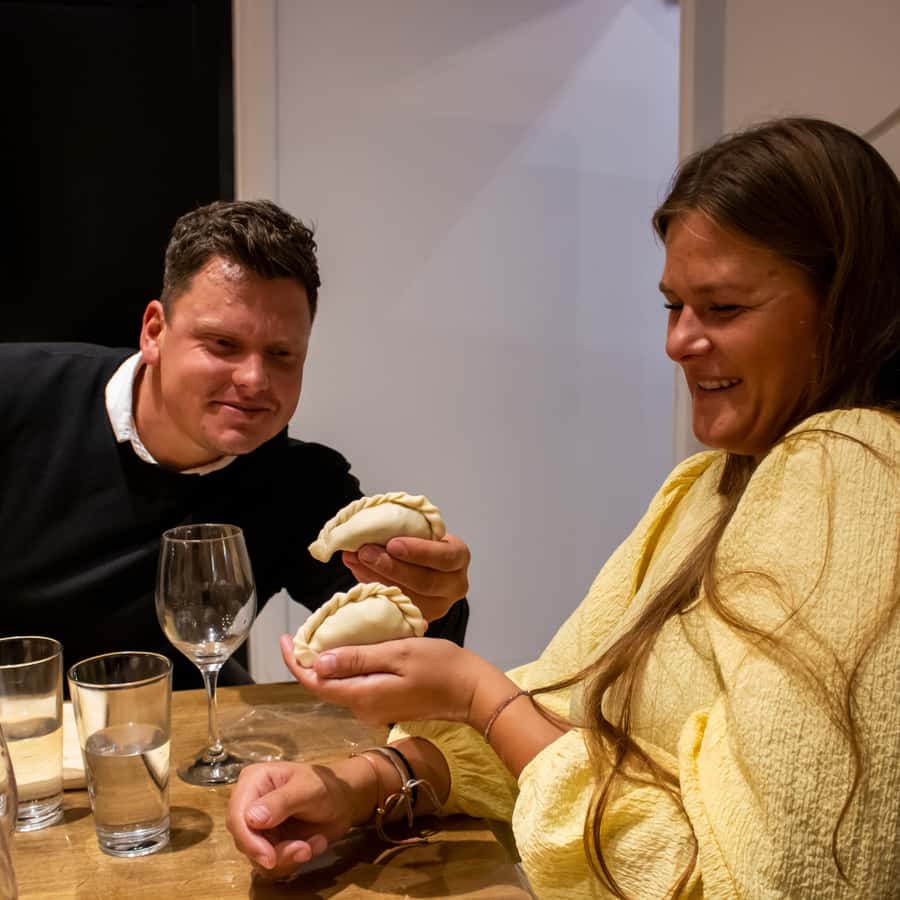
You do not need professional cooking skills. The appeal is partly that empanadas are forgiving. Your final pastries may not look perfectly uniform, especially on a first attempt, but that is part of the fun. One useful lesson from this type of class is that homemade food does not need to look polished to taste good.
The activity is also social. The cooking creates natural conversation, and the small group makes it easier to ask questions without shouting across a busy room. A group of around seven has been described as comfortable for conversation, while a session with just one couple felt especially personal.
Other tastings without leaving the city:
- Buenos Aires: Wine Tasting and Lunch at Bodega Gamboa
★ 4.8 · 177 reviews - Premium Argentinian Wines and Malbec Tasting Experience
★ 4.6 · 60 reviews - Buenos Aires: Palacio Barolo Guided Night Tour with Wine
★ 4.4 · 54 reviews
What the empanada recipe teaches you
The food lesson is not only about folding pastry. You also get a short introduction to the place of empanadas in Argentine culture and the different ways they appear across the country.
The recipe is described as traditional, but you should not expect every empanada in Buenos Aires to taste exactly the same. One participant found the filling too heavy on onions, describing the finished result as closer to onion empanadas than expected. The guide explained that the onion was traditional, but this may not suit every taste.
That is worth keeping in mind if you are sensitive to onions or prefer meat-heavy fillings. The recipe can also vary by region, household, and cook. An onion-forward filling is not necessarily a mistake, but it may not match the empanada you later order at a restaurant or bakery.
The class does give you a chance to judge the balance for yourself. You see what goes into the filling, and you can ask questions about the ingredients and method. That is more useful than simply receiving a finished plate with no explanation.
The empanadas are served after the group has prepared them. Several guides have been praised for keeping the steps clear and for helping people who need extra instruction. Tomás was also singled out for his chimichurri, a practical extra detail if you want to compare the pastry with one of Argentina’s familiar sauces.
Tasting Malbec, Cabernet Sauvignon, and Cabernet Franc
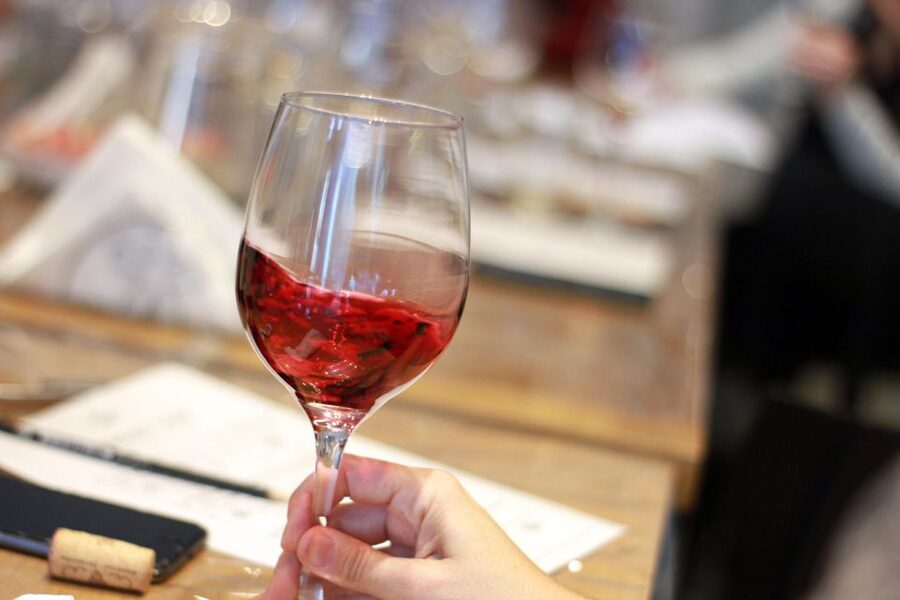
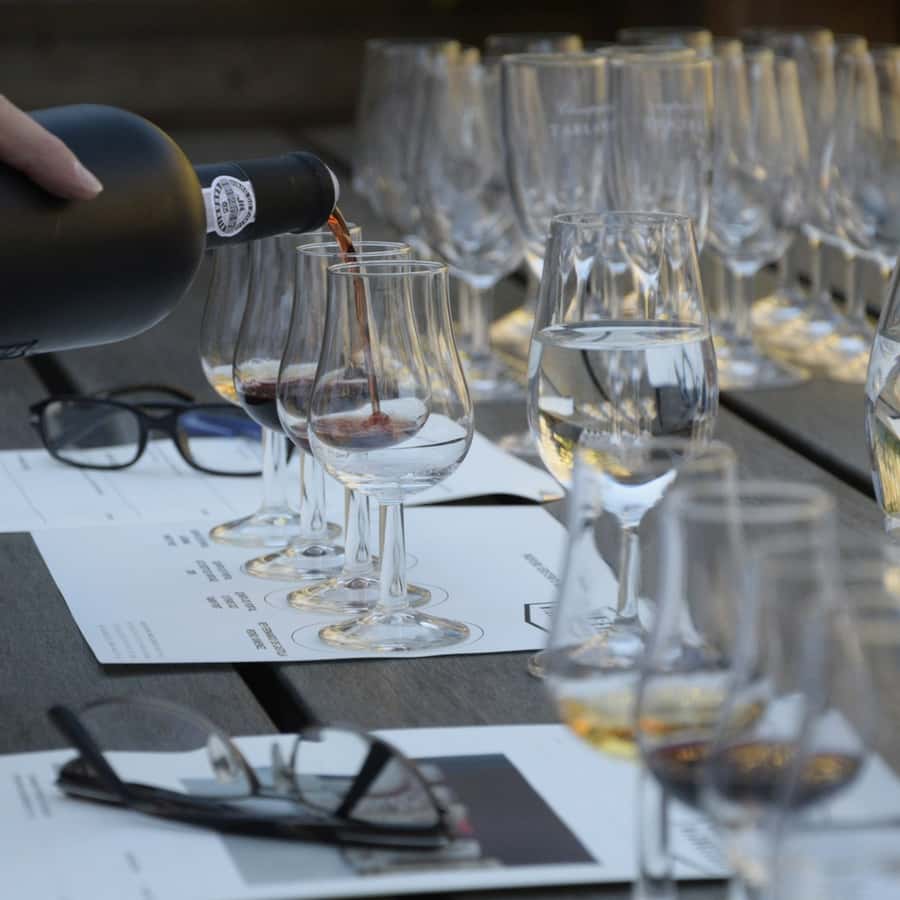
The wine portion gives the class its second purpose. You taste Malbec, Cabernet Sauvignon, and Cabernet Franc while learning how the grape varieties differ and how wine is made in Argentina.
Malbec is the best-known name of the three, but tasting it alongside Cabernet Sauvignon and Cabernet Franc gives you a more useful comparison. Instead of treating Argentine wine as one broad category, you can notice how grape choice affects flavor, texture, and style.
The guide explains the characteristics of each grape and the winemaking methods used in Argentina. The point is not to turn you into a sommelier. It is to help you understand what you are drinking and give you a better basis for ordering wine later in your trip.
I like that the tasting is connected to the empanadas. Food changes the way wine tastes, and the timing lets you sample the wines while moving through the cooking process. The experience feels more natural than a formal tasting where you sit silently over several glasses.
You should also expect the wine to be a meaningful part of the two-hour schedule. This is not a quick sample before a cooking demonstration. The class combines instruction, tasting, preparation, eating, and conversation, so the pace may feel full without being rushed.
The wine selection also gives the guide an opening to discuss different parts of Argentina and their wine traditions. If you are new to Argentine wine, this is a useful first step. If you already know Malbec well, the Cabernet comparison adds more interest.
Guides who make the class personal
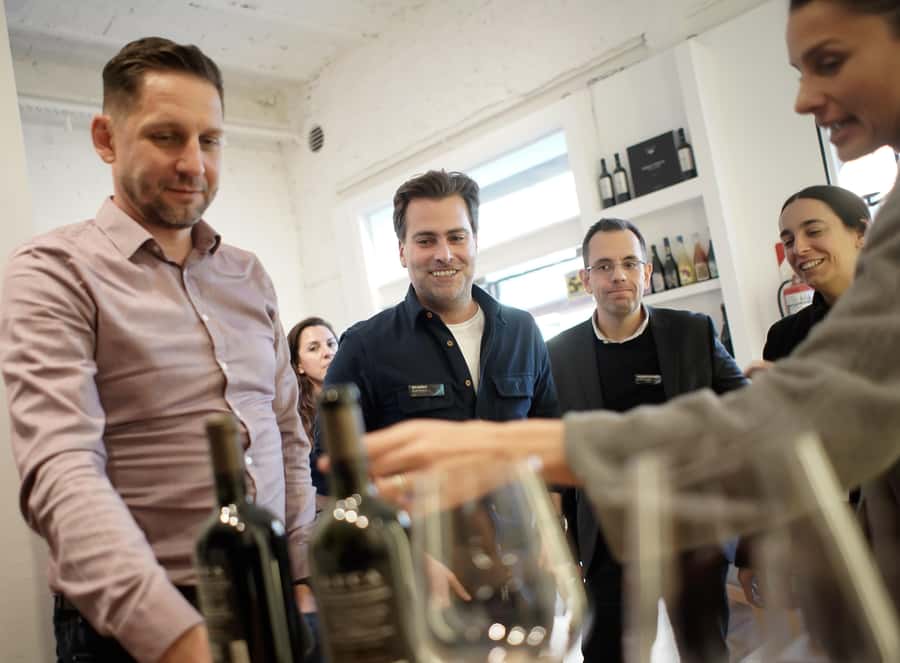
The host can shape this experience more than the recipe does. Several guides have led the activity, including Catalina, Valentin, Lourdes, Fernando, and Tomás.
Catalina has been praised for creating a relaxed evening and for explaining the wine in a clear way. Valentin has guided the empanada recipe, discussed the wines, and offered background about Argentina for first-time visitors. Lourdes has connected the food and wine lessons with wider comments about culture and city recommendations.
Fernando has been described as a strong teacher and host, while Tomás has been noted for his enthusiasm about cooking, wine, and Argentina. These details matter because the class depends on communication. You are spending two hours learning by watching, listening, tasting, and asking questions.
The listed languages are Spanish, English, and Portuguese. If you are not comfortable in Spanish, confirm your preferred language while booking. The language range makes the activity more approachable for international visitors, but the quality of the experience still depends on the guide assigned that day.
A useful bonus is the local advice. Guides have offered recommendations for restaurants, wine, lunch, and places to see in Buenos Aires. Do not treat that as a separate sightseeing tour, but do bring a short list of questions. A cooking class is often a good place to ask where to eat next.
More eating your way around Buenos Aires:
- Buenos Aires: Local Foodie Adventure with Sherpa Food Tours
★ 4.9 · 670 reviews - Buenos Aires: Empanadas and Alfajores Guided Cooking Class
★ 4.8 · 486 reviews - Buenos Aires: Empanada & Alfajor Cooking Lesson in Palermo
★ 4.6 · 186 reviews - Buenos Aires Food Tour: Local Dishes, Steak, Empanada & More
★ 5.0 · 118 reviews
The Palermo setting and meeting point
The meeting point is on Gorriti in Palermo. The information gives two nearby address numbers, Gorriti 4882 and Gorriti 4886, so check your final booking details carefully and arrive five minutes early.
No hotel pickup or drop-off is included. You need to make your own way to the venue, and the experience is best planned as part of a Palermo afternoon or evening rather than as a standalone trip across the city.
The room has been described as clean, spacious, and full of light. That is a small but important detail for a cooking class. You want enough room to work with dough and fillings, and you want to see what the guide is doing.
The venue also makes this a practical option when your schedule is tight. One person used the class to fill the last afternoon before an evening flight. The activity lasted about two and a half hours in that case, even though the listed duration is two hours, so leave a little spare time if you have a firm departure deadline.
One especially useful gesture was the chance to leave luggage for a short time after class. Do not assume this is guaranteed for every booking, but you can ask the staff if you need to walk around Palermo before leaving Buenos Aires.
How the two hours are likely to unfold
The class begins with introductions and an explanation of the empanadas, their place in Argentine food, and the ingredients you will use. The guide then takes you through the recipe while the group works at the table.
As the cooking progresses, the wine tasting is introduced. You taste Malbec, Cabernet Sauvignon, and Cabernet Franc while learning about the grape varieties and Argentine winemaking. The timing is arranged so that the tasting and cooking support each other.
Next comes the hands-on shaping and cooking stage. This is where the small group helps most. You can watch the guide, copy the folding method, and ask for help if your pastry does not look quite right.
Finally, you eat the empanadas you prepared and continue the conversation over the wine. The activity is structured enough to keep moving, but the group size allows time for personal questions and city advice.
The exact order may vary, and the class can run longer than the advertised two hours. If you have a flight, another tour, or a dinner reservation immediately afterward, allow extra time.
Is $49 a good value?
At $49 per person, the price is not bargain-level for a short activity in Buenos Aires. It becomes easier to justify when you count the ingredients, professional guide, cooking instruction, wine tasting, and finished food.
You are paying for more than a plate of empanadas. You receive a cultural lesson, a guided comparison of three wine varieties, and a social activity in Palermo. For a first visit to Buenos Aires, that combination can be a sensible use of two hours.
The value is strongest if you enjoy participation. If you only want to eat empanadas and drink wine, a restaurant or wine bar may give you more food for less money. If you want to learn a recipe and understand what is in your glass, the class offers more than a standard meal.
The experience also works well for a small group of friends, couples, and solo visitors who like meeting people around a table. It is not suitable for children under 18, so families with younger children need another food activity.
Who should book this experience?
You should consider it if you want a gentle introduction to Argentine food and wine without committing to a full-day excursion. It is especially useful early in your visit, since the guides can suggest places to eat and things to do around Buenos Aires.
It also suits you if you have a spare afternoon, a delayed evening plan, or a few hours before a flight. The class is indoors and takes place rain or shine, so bad weather does not ruin the plan.
The experience may not suit you if you dislike onions, do not drink wine, or want advanced cooking instruction. The class is built around simple, accessible empanadas rather than restaurant-level technique.
You should also check the address before setting out. Gorriti 4882 and Gorriti 4886 are both given, and arriving five minutes early is sensible.
Should you book it?
I would book this class if you want to connect Argentine food with Argentine wine in one compact Palermo activity. The strongest features are the hands-on cooking, the three-wine comparison, the small groups, and the guides’ willingness to discuss Buenos Aires beyond the recipe.
I would hesitate only if $49 feels high for two hours, or if you expect a large meal and a long cooking workshop. The onion-heavy filling may also be a concern for some people.
For most adults with an interest in food, wine, and local conversation, this is a well-balanced introduction. Reserve it early in your visit if you want restaurant advice, or use it on your final afternoon if you need a useful activity before an evening departure. Free cancellation up to 24 hours before the start and the reserve-now, pay-later option make the booking easier to fit into a changing schedule.
FAQ
Where does the empanada cooking class take place?
The meeting point is on Gorriti in Palermo, Buenos Aires. The information gives both Gorriti 4882 and Gorriti 4886, so check the address shown with your confirmed booking.
How long does the experience last?
The listed duration is two hours. One session ran for about two and a half hours, so allow extra time if you have a flight or another fixed appointment.
What wines are included?
The tasting includes Argentine Malbec, Cabernet Sauvignon, and Cabernet Franc.
Which languages are available?
The live guide can conduct the experience in Spanish, English, or Portuguese.
Are ingredients included?
Yes. The empanada ingredients and the cooking class are included in the price.
Is hotel pickup available?
No. Hotel pickup and drop-off are not included, so you must travel to the meeting point yourself.
Can children join the class?
No. The activity is not suitable for children under 18.
What happens if it rains?
The class runs whether it rains or the weather is clear.
Can I cancel for a refund?
You can cancel up to 24 hours in advance for a full refund. The reserve-now, pay-later option is also available.
More Cooking Classes in Buenos Aires
- BA: Empanadas and Alfajores Cooking Experience in Palermo
★ 5.0 · 112 reviews - Argentinian Empanadas Cooking Experience in Palermo, Bs As
★ 4.8 · 50 reviews - 3h Cooking Class in Mendoza with 7 Recipes & Bottomless Drinks
★ 5.0 · 125 reviews
More wine tours from Buenos Aires
- Buenos Aires: Small-Group Wine Tasting
★ 4.8 · 18 reviews - Premium Argentinian Wine and Malbec Tasting & Urban Art Tour
★ 4.0 · 16 reviews - Buenos Aires: City Tour Porteno with Wine Tasting
★ 4.3 · 5 reviews - BA: Wine tour with 5 tasting stops in the heart of Palermo
★ 3.9 · 3 reviews
Just added in Buenos Aires
- Buenos Aires: Speakeasy & Mixology Bar Tour with Cocktails★ 5.0 · 5 reviews
- Buenos Aires: Small-Group Wine Tasting★ 4.8 · 18 reviews
- Buenos Aires: Rojo Tango Show with Optional Dinner★ 3.4 · 3 reviews
- Buenos Aires: Santa Susana Ranch Day Tour, BBQ & Shows★ 4.6 · 32 reviews
- Buenos Aires:Small Group Tour AM & Sunset Open Bar Cruise PM★ 4.5 · 15 reviews
- Buenos Aires: Private Photo Tour for Ammateur Photographers★ 4.9 · 5 reviews
- Buenos Aires: Private Recoleta Cemetery Walking Guided Tour★ 4.6 · 13 reviews
- Buenos Aires: Recoleta Neighborhood Walking Tour★ 4.7 · 37 reviews
Argentine Food & Empanada Tours, compared.
Buenos Aires Food Tour: Local Dishes, Steak, Empanada & More
Read our review →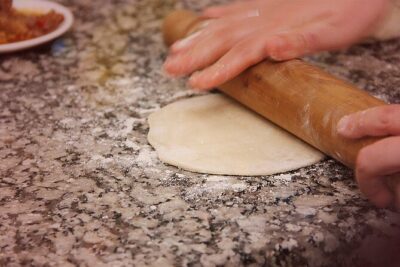
BA: Empanadas and Alfajores Cooking Experience in Palermo
Read our review →
Historical Guided Tour with Street Food & Drinks
Read our review →
Trapiche and Lunch The Enemy (Michelin) + Private transportation
Read our review →

BA Flavors Food Tour in San Telmo and Boca With Local Guide
Read our review →Browse the lists this tour appears in