
Reviewed · WINE TOURS
Wine & Pottery Class For Beginners in Buenos Aires Argentina
Clay, wine, music, and a friendly local artist make this one of Buenos Aires’ more hands-on evening activities. At OWO Ceramics, Leticia guides beginners through the basics of hand-building, then gives you room to make something personal rather than copying a fixed project.
I especially like the small group of up to 10 people, which gives the class a social feel without turning it into a crowded production line. I also like that your piece is glazed and fired after the session, so you leave with more than a damp lump of clay and a good story.
The main catch is timing: the class itself lasts about two to two and a half hours, but your finished piece takes three to four weeks. If you are leaving Buenos Aires soon, you will need to arrange FedEx shipping at your own cost.
Key points to know before booking
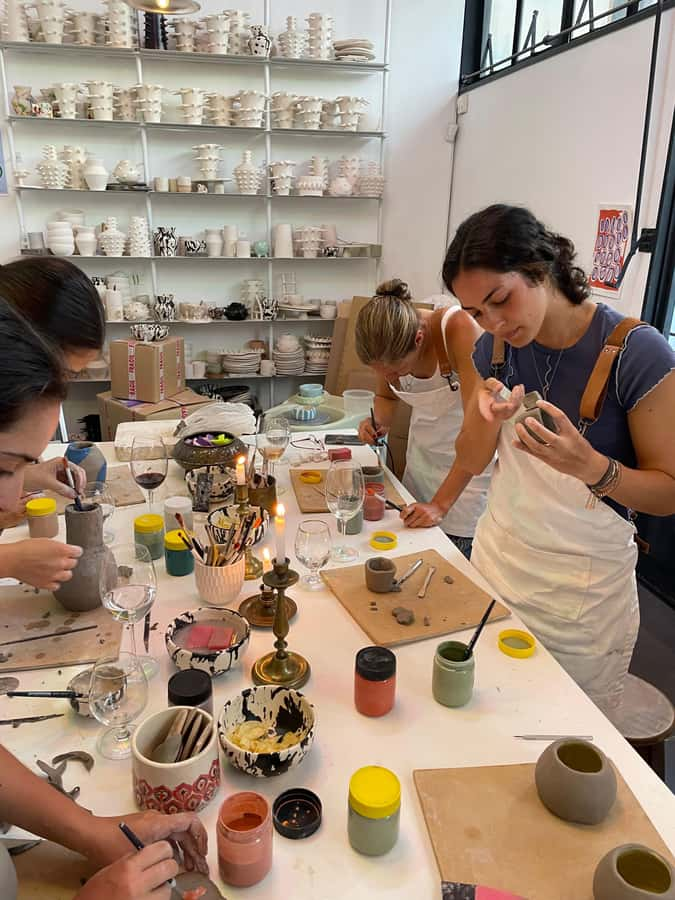
- Leticia leads the class: She teaches in English and Spanish and offers hands-on guidance without requiring previous pottery experience.
- You choose your project: Make a mug, vase, candle holder, ashtray, or matching espresso set, with other designs also possible.
- Wine and snacks are included: Argentine wine, beer, light snacks, an apron, materials, tools, glazing, and firing are covered in the price.
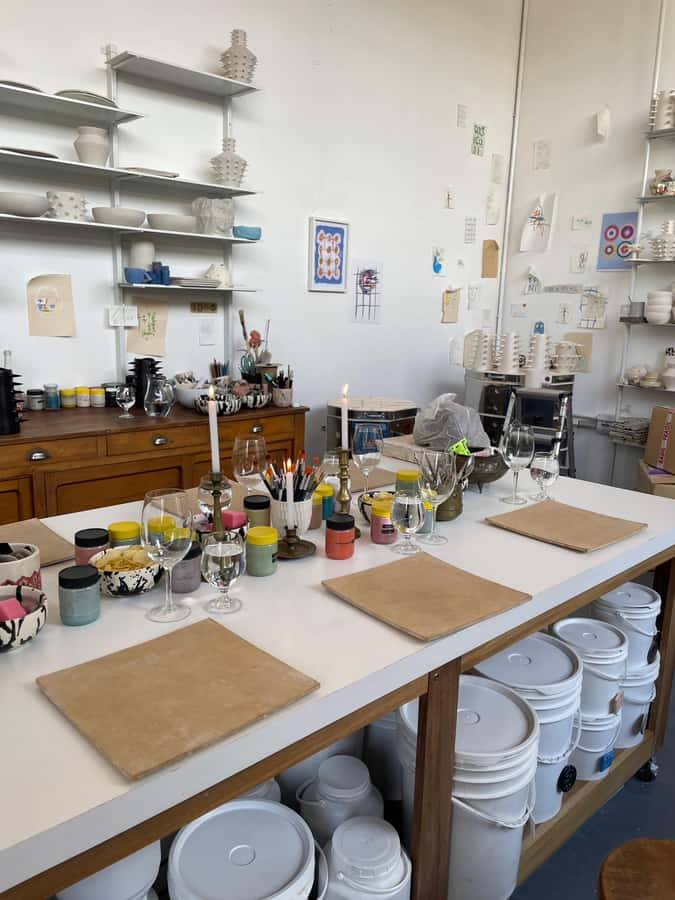
- The studio has character: You meet in a lower-ground-floor studio inside a refurbished French-style building.
- Your pottery needs patience: Pieces are finished in the studio and generally ready for pickup in three to four weeks.
- The class suits adults and older children: Children under six are not permitted.
Entering the lower-ground-floor studio
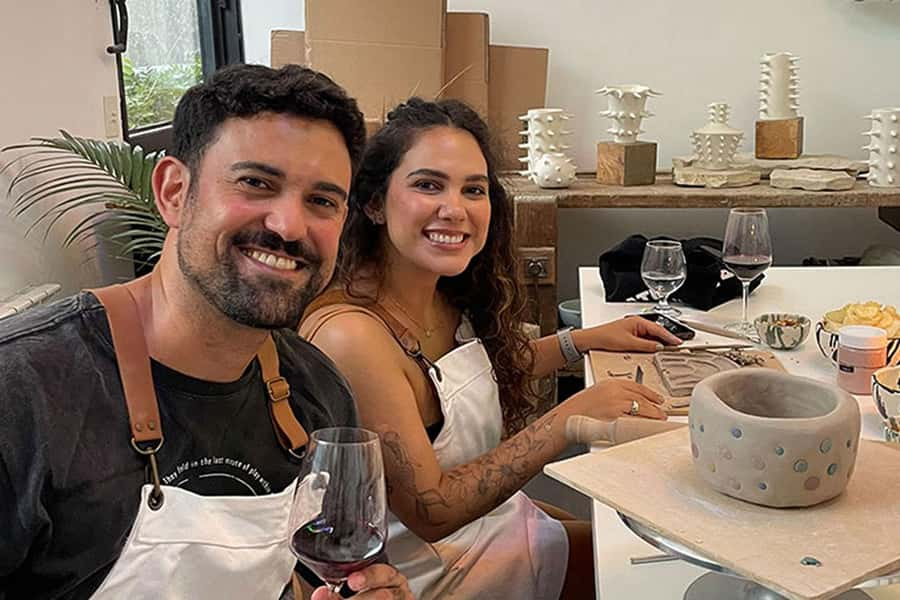
The meeting point is OWO Ceramics, Leticia’s own studio in a refurbished French-style building. The studio is on the lower ground floor, which gives the class a more personal feel than a large cooking-school or tour-company setting.
That setting matters. You are not being rushed through a list of tourist stops. You settle into an artist’s working space, meet the instructor, and get time to look around before your hands touch the clay. The first part of the session is used for introductions and getting comfortable, so you can ask questions before choosing what to make.
I would treat the studio location as part of the experience rather than a simple meeting point. The supplied information does not identify the neighborhood or provide detailed directions, so check the exact address and starting time when booking. You meet directly at the studio rather than at a central hotel or a sightseeing landmark.
The group is capped at 10 people. That is large enough to meet others, but small enough for Leticia to move around and help individual students. One useful bonus is the chance to ask for local recommendations while you work. You are sharing an activity, not sitting silently at separate tables.
Other tastings without leaving the city:
- Buenos Aires: Wine Tasting and Lunch at Bodega Gamboa
★ 4.8 · 177 reviews - Premium Argentinian Wines and Malbec Tasting Experience
★ 4.6 · 60 reviews - Buenos Aires: Palacio Barolo Guided Night Tour with Wine
★ 4.4 · 54 reviews
Your first lesson in hand-building clay
The workshop focuses on ceramic hand-building. That means you shape the clay by hand and with simple tools rather than using a potter’s wheel. For a first pottery class, this is a sensible format because you can concentrate on form, texture, and decoration without having to master wheel throwing at the same time.
Leticia introduces the basic techniques and stays available as you work. You can expect guidance on turning a rough idea into a usable object, along with practical tips that help prevent frustration. The aim is not to produce a perfect professional piece. It is to let you make something that feels like yours.
You choose the project. Possibilities include mugs, vases, candle holders, ashtrays, and matching espresso sets. You can also suggest another object, with the understanding that the final result depends on what can reasonably be made during the class.
This freedom is one of the strongest reasons to book. A fixed project can be easier, but it can also feel generic. Here, you might make a small set for your morning coffee, a candle holder for your home, or a simple vessel that reminds you of Buenos Aires. I would arrive with one or two ideas, but keep them flexible. Clay has its own limits, and Leticia’s advice will help you adapt.
Why the creative process works for beginners
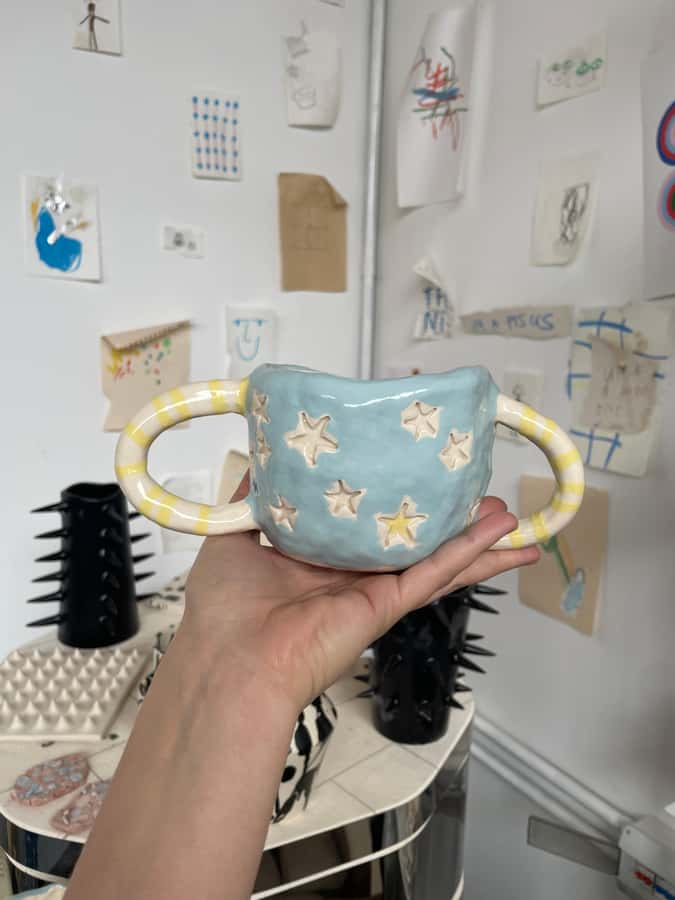
Pottery is forgiving in some ways and demanding in others. Clay lets you adjust, smooth, reshape, and try again. At the same time, it does not always behave exactly as you expect, especially when you are new to it.
That is why this class works best when you treat it as a creative session, not a test. Leticia’s role is to show you the basic methods and help you feel comfortable experimenting. You do not need previous ceramic experience, and the class is designed for complete beginners.
The process also has a calm, tactile quality. Your hands stay busy, your attention narrows to the piece in front of you, and the usual pace of sightseeing drops away. Add music, a glass of wine, and a few snacks, and the result feels closer to a relaxed night in an artist’s studio than a formal lesson.
The atmosphere is a major part of the appeal. The studio uses a carefully selected playlist, and the experience is set up for conversation as well as making. If you enjoy creative activities but feel nervous about joining a class alone, the small group format can make it easier to settle in.
Wine, snacks, and the social side
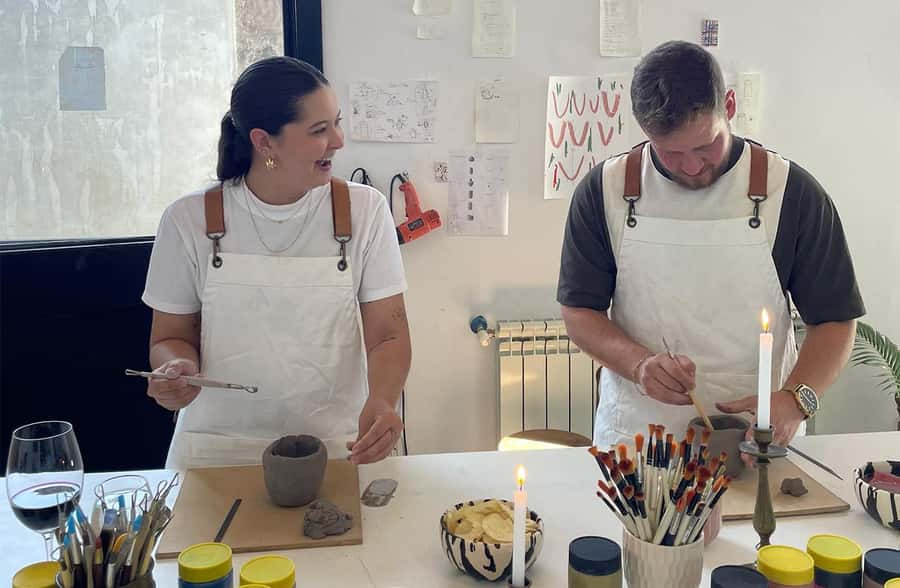
Wine and beer are included, along with light snacks. The wine is Argentine, which gives the session a local touch without turning it into a formal wine tasting. You are there to make pottery, but the drink helps the evening feel generous and unhurried.
The reviews supplied for this experience repeatedly praise the wine, music, studio, and relaxed mood. One recent participant also highlighted the chance to meet other people and ask for local recommendations. Those details are useful because they show what kind of evening this is: social, informal, and easy to join.
Do not book this expecting a full meal or a specialist wine lesson. The food is described as light snacks, and the drink supports the pottery class rather than replacing it. If you need a substantial dinner, plan one before or after the workshop.
I think the setup suits couples and friends particularly well. You can make matching objects, compare your designs, and share the inevitable small mistakes. Solo participants can also fit in, since the group format gives you a natural way to meet people without needing to organize your own company.
More wineries within reach of Buenos Aires:
- Discover Argentine Wines Paired with Delicious Tapas
★ 5.0 · 51 reviews - Sailing with Wine Tasting in Buenos Aires
★ 5.0 · 50 reviews - Premium Empanadas Cooking Class & Wine Tasting Experience
★ 4.9 · 35 reviews - Buenos Aires: Small-Group Wine Tasting
★ 4.8 · 18 reviews
Decorating your creation before the kiln
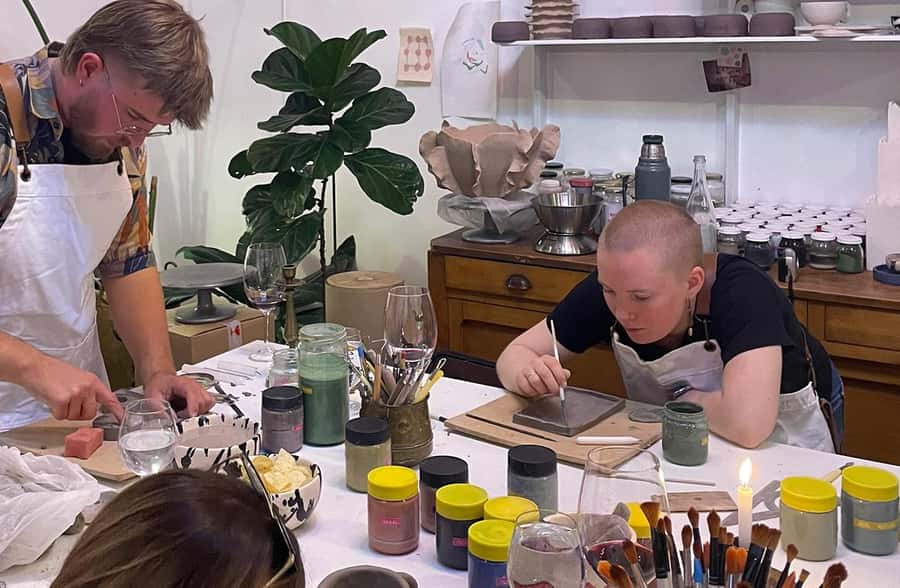
Once your basic form is made, you can paint and decorate it with different tools and techniques. This gives you a second creative stage. The shape might be simple, but surface treatment can change its whole character.
You will have time to add your own marks rather than handing the unfinished object over immediately. That is valuable for beginners because decoration is often where a plain first attempt starts to feel personal. Leticia can offer tips and help you make choices that suit the form.
The final look is not entirely under your control. Ceramic work changes during glazing and firing, and the finished piece may not look exactly like it did when you left it. That is normal for the medium and worth knowing before you book. The point is to create an individual object, not a factory-perfect souvenir.
Materials and tools are provided, and an apron is included. You therefore do not need to arrive with specialist equipment. I would still wear comfortable clothes you do not mind getting dusty or dirty. The invitation to get dirty is meant literally, even though an apron offers protection.
What happens after the two-hour class
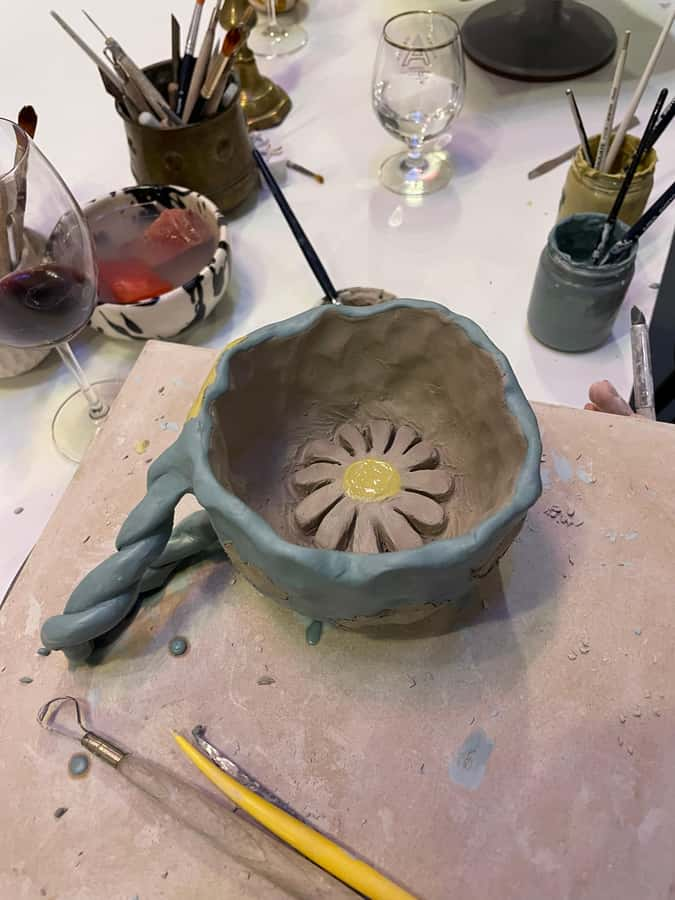
The class lasts around two hours according to the booking details, while the fuller description allows about two and a half hours for introductions, making, and decoration. I would plan your evening around the longer estimate. That gives you breathing room and avoids scheduling a tight dinner reservation immediately afterward.
Your piece does not go home with you that night. OWO Ceramics glazes, fires, and finishes the work in the studio. This extra work is included in the price, but it also creates the main practical issue: you need to return later to collect the finished pottery.
The expected wait is three to four weeks. If you will still be in Buenos Aires, arrange a pickup date with the studio. If you are leaving before then, FedEx shipping to your hometown is available, but the shipping cost is not included.
This is important for short visits. The experience remains worthwhile if you cannot collect the piece in person, but the total cost will be higher once shipping is added. Ask about the shipping arrangement before class if your itinerary does not leave room for a later pickup.
Is $72 a fair price?
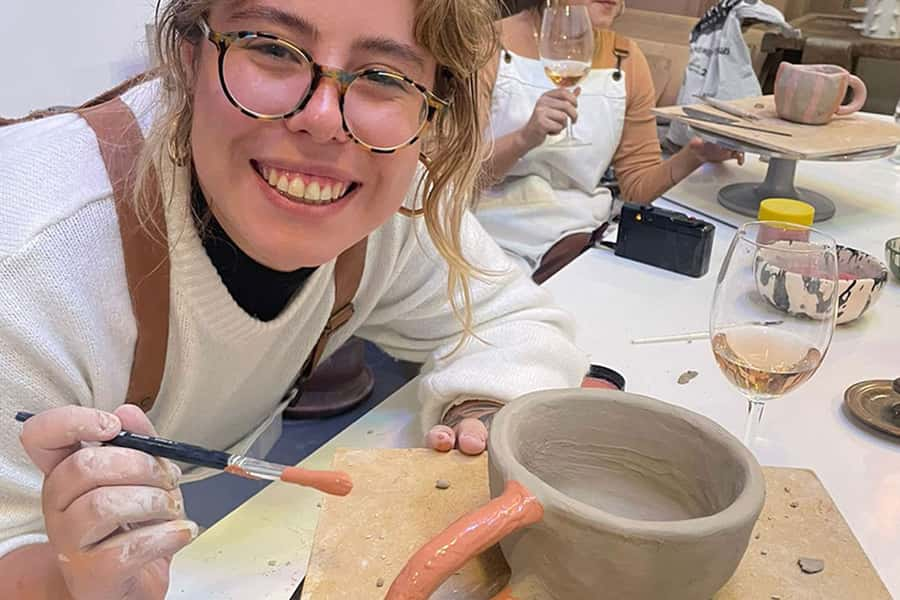
The price is $72 per person. That includes the instruction, clay and other materials, tools, apron, wine or beer, snacks, glazing, and firing. It also includes the finishing work that happens after you leave.
I see good value here if you want an activity rather than a simple drink or a standard souvenir. You receive a guided creative session, refreshments, and a handmade object that can become a lasting reminder of your time in Argentina. The small group also gives the class a more personal feel than a large workshop.
The value is less clear if you are focused only on taking home an object immediately. You cannot pack the finished piece in your luggage that night, and shipping can add a separate charge. The price also does not include transportation to the studio, since the meeting point is simply the studio itself.
For couples, two friends, or anyone who likes making things, the cost is easier to justify. You are paying for the process as much as the pottery. For a family with very young children, it is not suitable, since children under six are not accepted.
Who will enjoy this pottery evening
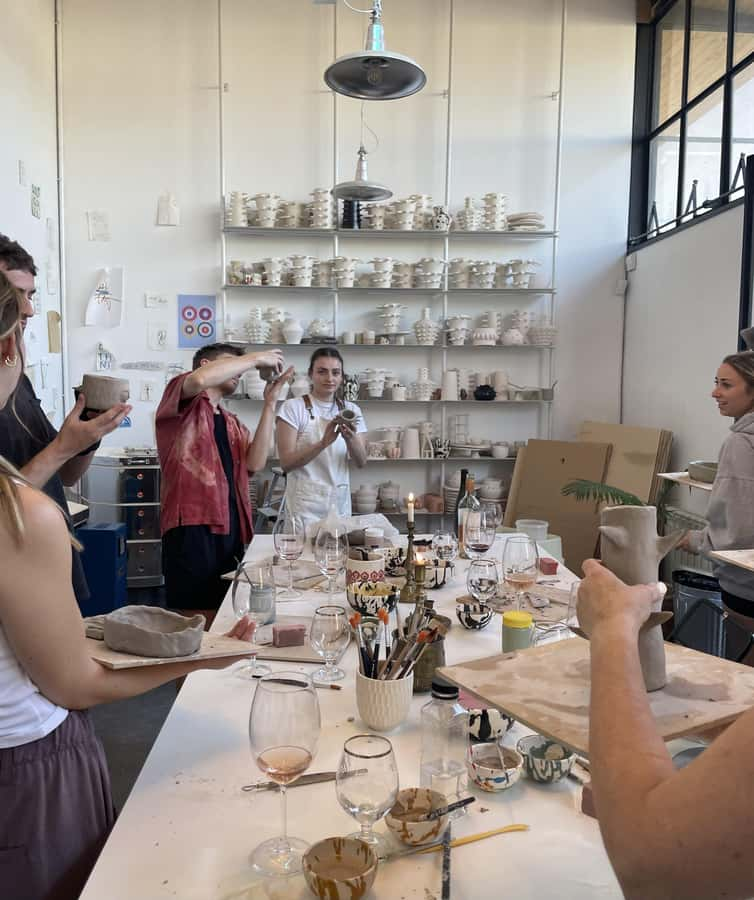
I would recommend this class to you if you want a break from museums, restaurants, and city sightseeing. It gives you a chance to do something with your hands and spend time with a local artist in her own working space.
It is also a good choice if you are concerned about language. Leticia teaches in English and Spanish, so you can ask questions and follow the demonstrations in either language. That does not remove every possible communication issue, but it makes the class accessible to a broad range of visitors.
The class may be less suitable if you want a technical ceramics course with a long focus on wheel work, clay science, or professional production. This is an introductory hand-building workshop with a relaxed social mood. Its strength is that beginners can make, decorate, drink, and talk in one evening.
The perfect mindset is curiosity. Come with an idea, but do not insist on a precise result. Leticia can help you shape the project into something manageable, and the finished piece will carry some of the marks of the person who made it.
Should you book OWO Ceramics?
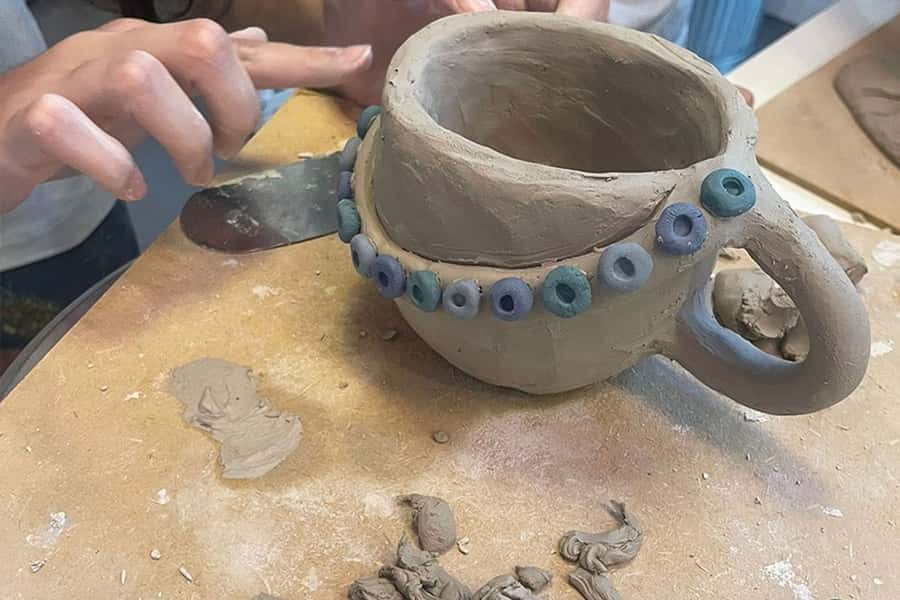
Book this class if you want a warm, creative evening with Argentine wine, music, snacks, and an instructor who gives beginners personal help. Leticia’s friendly teaching, the small group, and the chance to choose your own project are the strongest reasons to go.
Think twice if you are leaving Buenos Aires immediately and do not want to pay for FedEx, or if you expect a full meal or a formal ceramics course. For everyone else, $72 buys a relaxed studio experience and a handmade keepsake, with the useful reminder that pottery takes time. Reserve at least 24 hours ahead if you need the free cancellation option, and leave your schedule open for roughly two and a half hours.
FAQ
Where does the wine and pottery class take place?
The class takes place at OWO Ceramics, in the instructor’s studio on the lower ground floor of a refurbished French-style building in Buenos Aires Province.
How long does the pottery experience last?
The listed duration is two hours. The fuller session description says around two and a half hours, including introductions, settling in, creating, and decorating. Plan for the longer estimate.
Who teaches the class?
Leticia leads the workshop at OWO Ceramics.
Is the class taught in English?
Yes. The class is taught in English and Spanish.
Do I need previous pottery experience?
No. The class is designed for beginners, and no prior ceramic experience is required.
What can I make during the workshop?
You can make items such as mugs, vases, candle holders, ashtrays, or a matching espresso set. You may also choose another project, with guidance from the instructor.
What is included in the $72 price?
The price includes materials, tools, an apron, wine or beer, light snacks, and the glazing and firing of your ceramic pieces.
Can I take my finished pottery home that day?
No. The pieces are glazed, fired, and finished at the studio after the class. They are generally ready for pickup in three to four weeks.
What if I have already left Buenos Aires when my piece is ready?
The studio can ship the finished piece to your hometown by FedEx. Shipping is available but is not included in the experience price.
Just added in Buenos Aires
- Tango Show at El Querandi with optional Dinner★ 4.2 · 3 reviews
- Wine Tasting in Buenos Aires★ 4.2 · 4 reviews
- Walking Tour: Buenos Aires bookstores★ 4.3 · 12 reviews
- Velez Sarsfield Football Match★ 5.0 · 3 reviews
- Private Underground Tango Immersion★ 5.0 · 31 reviews
- Tour Buenos Aires in one day on Electric Scooters★ 5.0 · 33 reviews
- Sailing with Wine Tasting in Buenos Aires★ 5.0 · 50 reviews
- Experience The Essence of Buenos Aires in San Telmo★ 5.0 · 51 reviews
Wine Tours, compared.



Full-Day Tour Cafayate Calchaquí Valleys with Wine
Read our review →


Browse the lists this tour appears in