
Reviewed · ARGENTINE FOOD & EMPANADA TOURS
Buenos Aires: Mate Workshop y Otras Yerbas
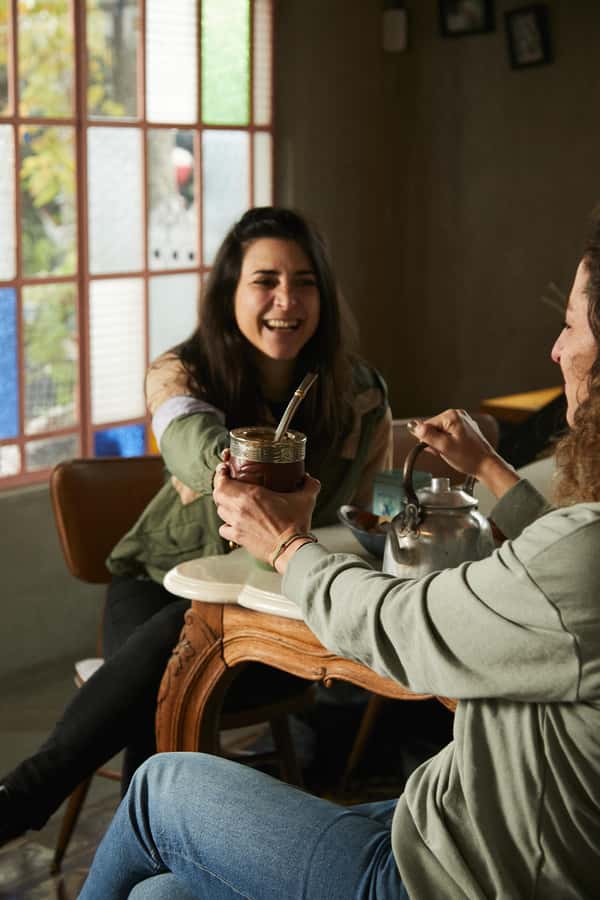
Mate is not simply tea in a gourd. In Argentina, offering someone a mate can be as natural as offering a chair. This one-hour workshop with Vale and Juli of Carpincha explains the ritual through stories, tasting, and a shared snack table.
I like two things right away: you taste four types of yerba mate, rather than sampling only one, and each person receives a mate to use while learning how to prepare it. The pastries, including medialunas, biscochitos, and alfajores, make the lesson feel social instead of classroom-dry.
The main consideration is time. Sixty minutes goes quickly, so this is a focused introduction, not a long cultural tour or a visit to a yerba plantation. You also need to arrange your own transportation to the Recoleta meeting place.
Key points to know before booking
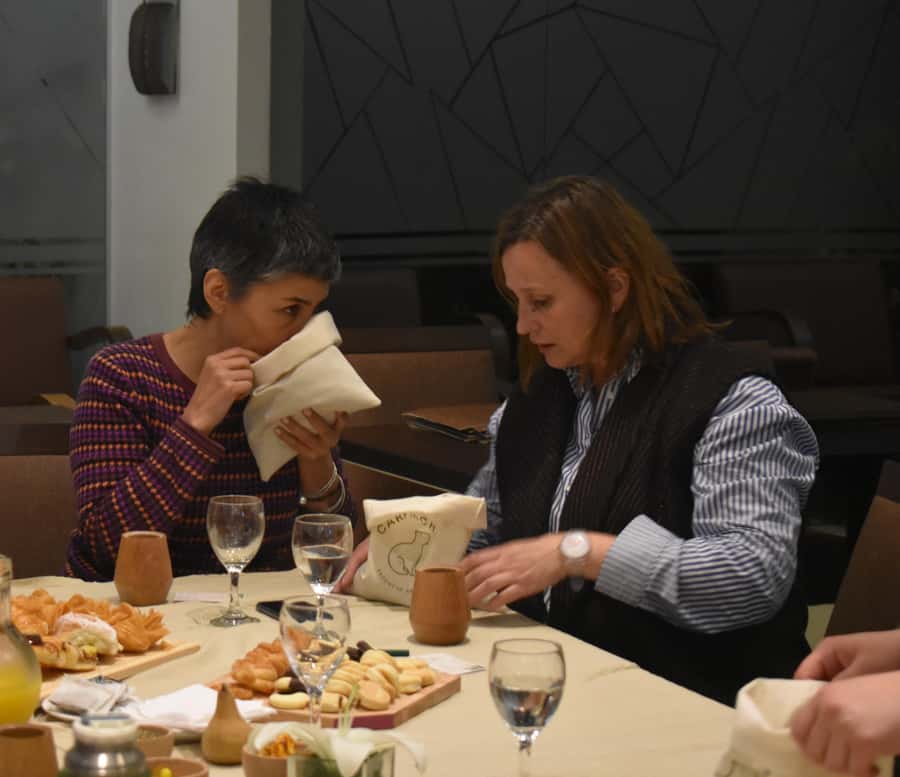
- Four yerbas in one sitting: Compare different types of yerba mate and learn about variety, cultivation, and production.
- A mate for every participant: Use your own mate during the workshop and practice preparing it.
- Argentine customs explained clearly: Hear about mate’s history, myths, legends, family habits, and place in national identity.
- Pastries are part of the ritual: Medialunas, biscochitos, and alfajores accompany the tasting.
- A central Recoleta location: The meeting takes place in Buenos Aires, with transportation not included.
- English or Spanish instruction: The workshop lasts 60 minutes and is wheelchair accessible.
Why mate matters beyond the drink
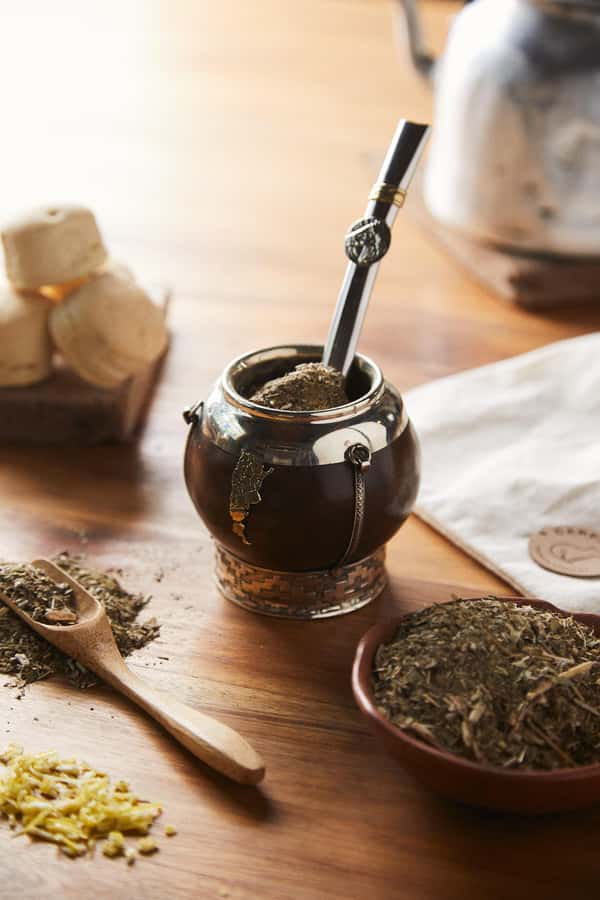
If you are new to Argentina, mate can seem like a small detail: a hollow gourd, a metal straw, and some green leaves. Spend a little time with the ritual, though, and it becomes a useful way to understand how people connect.
Mate is shared. One person prepares it, drinks through the bombilla, and passes it along. The next person accepts it, drinks, and returns the mate. The pattern is simple, but the meaning is social. It can belong to a family morning, a visit with friends, or an ordinary conversation.
Carpincha presents mate as part of Argentina’s national identity, not as a trendy beverage. That focus gives the workshop more value than a basic tasting. You are learning why the drink matters, how its customs developed, and how everyday Argentines relate to it.
The hosts also bring in family stories, anecdotes, myths, and legends. That personal angle is important. Facts about cultivation and production tell you where yerba comes from, but family memories help explain why mate still feels personal.
More eating your way around Buenos Aires:
- Buenos Aires: Local Foodie Adventure with Sherpa Food Tours
★ 4.9 · 670 reviews - Buenos Aires: Empanadas and Alfajores Guided Cooking Class
★ 4.8 · 486 reviews - Buenos Aires: Empanada & Alfajor Cooking Lesson in Palermo
★ 4.6 · 186 reviews
Meeting Carpincha in Recoleta
The session takes place in the Recoleta area, a practical base if you are already exploring central Buenos Aires. The exact meeting details should be checked when you book, since transportation is not included and the activity does not provide a transfer.
Carpincha is the project created by Vale and Juli. Their aim is to share Argentine customs and rituals through a small, focused cultural experience. The tone is described as poetic, but the useful part is quite concrete: you will handle the mate, taste the yerba, and learn how to prepare it.
Instruction is available in English and Spanish. Some material is presented in its original language, so you may hear Argentine expressions or stories in Spanish even when the main explanation is in English. That can add local flavor, though visitors who want every detail translated should keep it in mind.
The activity is wheelchair accessible. Since the workshop lasts only an hour, it can fit neatly into a day of sightseeing without taking over your schedule. Still, allow time to reach Recoleta on your own.
The first lesson: mate as an Argentine ritual
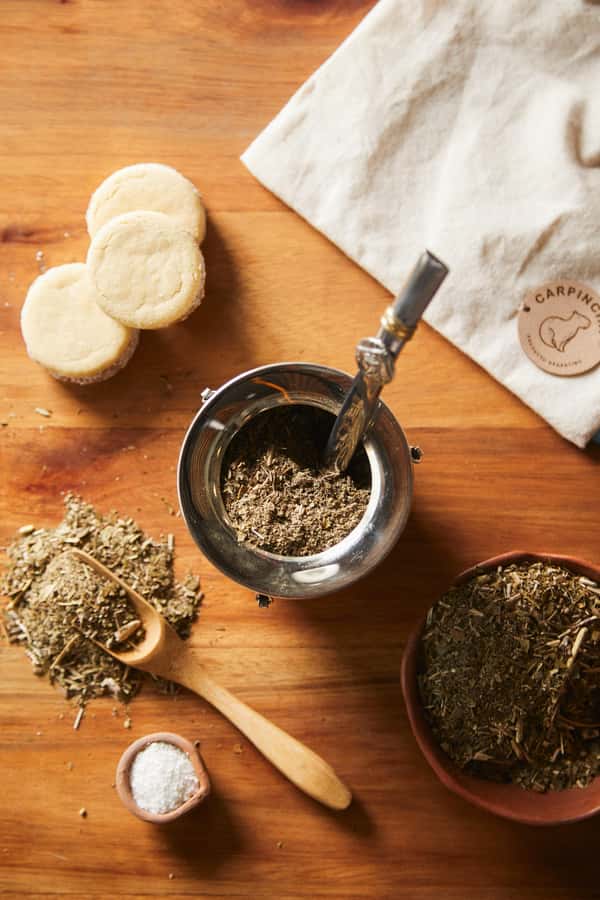
The workshop begins with the cultural background. You learn about mate’s origin, cultivation, production, and place in Argentine life before getting to the tasting itself.
This introduction matters because mate has rules and habits that are not obvious to a first-time drinker. The vessel, the yerba, the hot water, and the bombilla all play a part. Even the act of offering and receiving the drink carries social meaning.
You will also hear about common myths and legends connected with mate. The supplied information does not set out the exact stories, so do not book this expecting a fixed list of famous tales. Instead, expect a broad explanation of how history, folklore, and family anecdotes have shaped the custom.
This section should be especially useful if you have seen Argentines carrying a thermos and mate in parks or on the street and wondered what was happening. The workshop gives you the cultural context to recognize the ritual rather than treating it as an odd local version of herbal tea.
Four yerbas, four ways to compare the drink
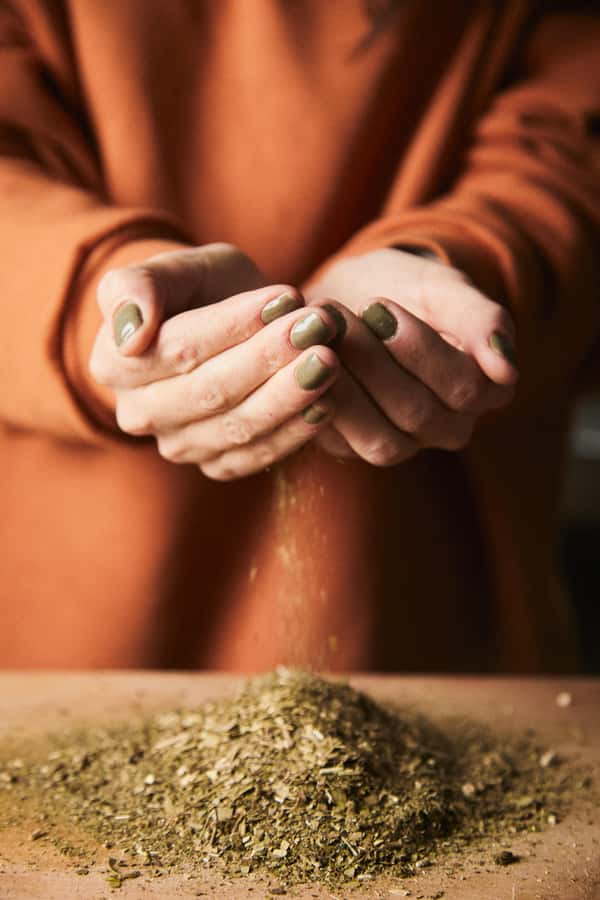
The tasting is the heart of the activity. You will try four types of yerba mate and learn about differences in variety, cultivation, and production.
For someone unfamiliar with mate, this comparison is more useful than a single cup. One sample can leave you thinking that mate simply tastes like mate. Four types give you a better sense that the raw ingredient can vary, just as coffee or wine can vary depending on its source and preparation.
You will have a chance to notice differences in the drink and discuss possible herb and flavor combinations. The session also includes tips for making better mates, which means the tasting is designed to lead into practical use rather than stop at description.
Do not expect a formal agricultural tour. There is no visit to a growing region or production facility included. The cultivation and production discussion happens as part of the workshop. For a one-hour city activity, that is a sensible tradeoff, but anyone seeking a full farming or factory tour will need something else.
The quality of the yerba is one of the most praised parts of the session. That matters because a tasting depends on what is served. Four poor or indistinguishable samples would not teach you much. Here, the stated focus is on tasting several good-quality herbs and trying combinations.
Same base, a different kind of day out:
- Buenos Aires Hop-On Hop-Off Bus, Free Walking Tours & Discounts
★ 4.5 · 2,218 reviews - Buenos Aires: Piazzolla Tango Show with Optional Dinner
★ 4.4 · 2,122 reviews - Buenos Aires: City Highlights Guided Tour with Transfer
★ 4.7 · 1,946 reviews - Buenos Aires: Hop-On Hop-Off City Bus Tour
★ 4.2 · 1,855 reviews
Learning to prepare your own mate
Each person receives one mate to use during the meeting. This is a practical touch, since you are not merely watching the hosts prepare everything.
You learn how to brew your own mate and receive tips for making a good preparation. The supplied details do not provide a step-by-step brewing recipe, so the exact method will come from Vale and Juli during the session. You should expect instruction on using the yerba, the mate, and the bombilla, along with guidance on how to handle the drink within the shared ritual.
This hands-on element makes the workshop useful after you leave Buenos Aires. You may not reproduce every part of an Argentine mateada at home, but you will understand the basic process and the etiquette behind it.
It also gives you something to do while listening. Cultural explanations can become passive if you sit and watch a demonstration. Here, each participant has a mate to work with, taste from, and use while the hosts explain the custom.
Medialunas, biscochitos, and alfajores
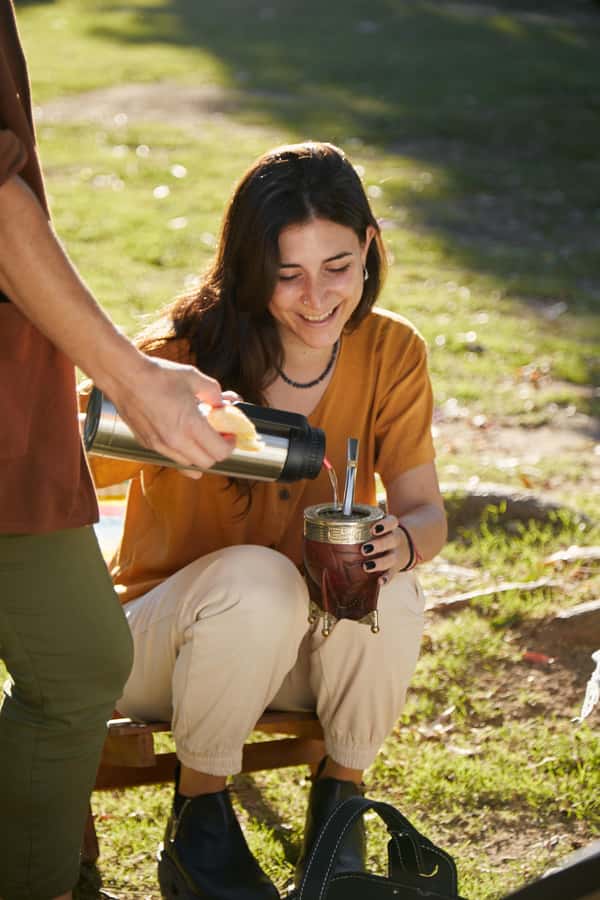
The food is simple, familiar, and exactly right for the subject. The tasting includes typical Argentine pastries such as medialunas, biscochitos, and alfajores.
A medialuna is Argentina’s crescent-shaped pastry, while alfajores are popular sandwich cookies with a sweet filling. Biscochitos are another common accompaniment for mate. The point is not a full meal. These are small sweets and pastries meant to be shared alongside the drink.
That distinction helps you plan. Have lunch or dinner before or after the workshop if you need a substantial meal. The included food adds flavor and context, but it is an accompaniment rather than a restaurant experience.
I like this part because the snacks connect the drink to ordinary hospitality. Mate is often offered with something small to eat, and the pastry table helps you understand how the ritual works in a social setting. You are not just tasting ingredients in isolation. You are seeing how the drink is served when someone comes to your home.
The food also adds value to the $50 price. You receive the workshop, four yerba tastings, one mate per person, instruction, and typical Argentine sweets in a single hour. Whether that price feels worthwhile depends on your interest in food culture and the exchange rate, but it is more than paying for a cup of tea.
What the 60-minute schedule means
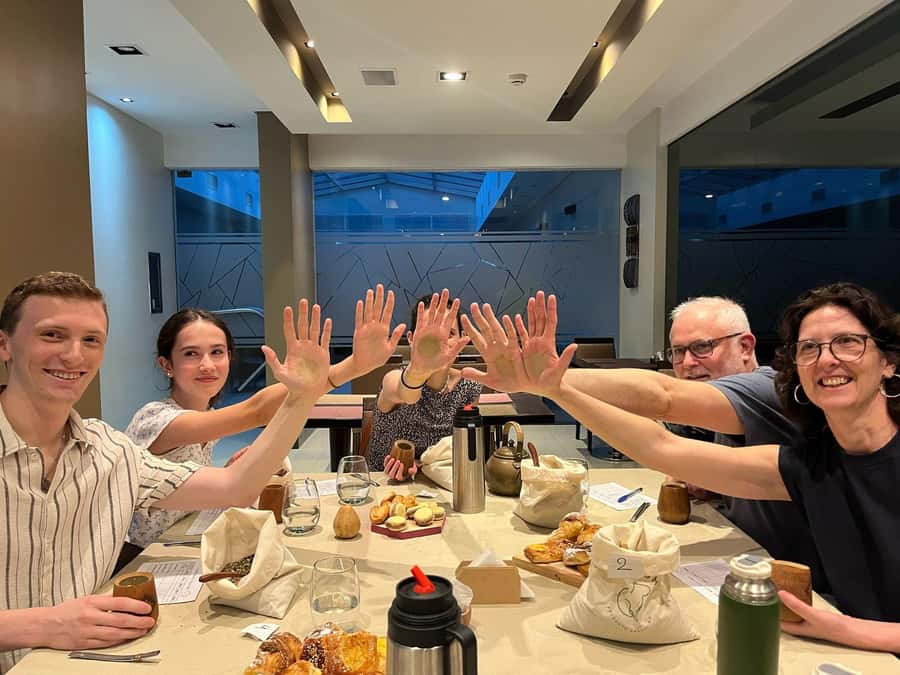
An hour is enough for an introduction, a guided tasting, a brewing lesson, and conversation. It is not enough for a leisurely half-day activity with long stops or extensive free time.
The compact format works well for several types of visitors. You can fit it between visits in Recoleta, use it as a cultural break during a city day, or schedule it for a first look at Argentine customs soon after arrival.
The short length also means you should arrive ready to focus. If you are interested in asking many questions, the hosts have been praised for answering questions clearly, but there may not be time for every possible topic. Prepare your main questions about yerba, brewing, or etiquette before you arrive.
The reviews highlight the hosts’ ability to explain mate clearly and respond to questions. Julieta is specifically praised for being kind and empathetic. The overall impression is of a welcoming team with strong enthusiasm for the subject, which matters in an experience built around conversation.
Is $50 a fair price?
At $50 per person, this is not the cheapest way to sample mate in Buenos Aires. You could buy a drink or pastry elsewhere for far less. The comparison is not really fair, though, because this price covers instruction, cultural background, four yerba tastings, a mate for each participant, and several Argentine pastries.
The strongest value comes if you are curious about the meaning behind the drink. You are paying for context and guidance, not just food and beverage. The workshop can help you avoid treating mate as a novelty and give you enough understanding to recognize the custom when you see it elsewhere.
The price may feel high if you want only a quick taste or if you already know how to prepare mate. It is also less suitable if you prefer long tours, large historic sites, or outdoor activities. This is a small cultural lesson with edible extras.
For a first visit to Argentina, I consider it a reasonable specialty experience if mate is on your list of local customs. The one-hour format limits the risk of spending half a day on a subject that may not hold your attention.
Who will enjoy this workshop most
This activity is a good match for you if you enjoy learning through food and drink. It also suits anyone who wants a local custom explained by people who care about it, rather than simply checking off a tasting.
It should work well for:
- First-time visitors to Argentina who want cultural context
- Food-focused visitors interested in yerba varieties and pastries
- Couples and friends looking for a short shared activity
- People who want to learn basic mate preparation
- English- or Spanish-speaking participants
- Visitors using a wheelchair, since the activity is listed as wheelchair accessible
It may be less suitable if you want a full meal, a plantation visit, a long walking tour, or a highly technical agricultural lesson. The workshop covers cultivation and production, but within a 60-minute cultural format.
You should also consider your comfort with shared customs. Mate is a social drink, and the activity explains that tradition. If you prefer private tastings where everyone has a separate cup and no shared ritual, ask for clarification before booking.
Practical details for planning your visit
The workshop meets in Recoleta, and transportation to the meeting point is not included. Check the starting time and exact location when reserving, then plan your route with enough margin.
You can book in English or Spanish. Some content is shown in its original language, so the experience may include Spanish terms and expressions even when the main instruction is in English.
The activity is listed as wheelchair accessible. Weapons, sharp objects, alcohol, and drugs are not allowed.
You can cancel up to 24 hours in advance for a full refund, and the reserve-now-pay-later option lets you hold a place without paying immediately. Those policies are useful if your Buenos Aires plans are still changing.
Should you book Carpincha’s mate workshop?
Book it if you want to understand why mate is woven into Argentine social life, not simply take a sip of a green drink. The four-yerba tasting, hands-on mate preparation, pastries, and clear cultural explanation give the hour a solid purpose.
I would especially recommend it early in an Argentina trip. Afterward, you will recognize the thermos-and-mate routine in parks, homes, and public places, and you will have a better idea of what the ritual means.
Skip it if you want a major sightseeing attraction, a full meal, or a long rural excursion. But if you have one hour in Recoleta and an interest in Argentine customs, Carpincha offers a friendly, focused introduction with useful takeaways.
FAQ
Where does the mate workshop take place?
The meetings take place in the Recoleta area of Buenos Aires.
How long does the activity last?
The workshop lasts 60 minutes.
What languages are available?
The instructors speak English and Spanish. Some content is presented in its original language.
How many types of yerba mate will I taste?
You will taste four types of yerba mate and learn about variety, cultivation, and production.
Does each person receive a mate to use?
Yes. The activity includes one mate per person to use during the meeting and instruction on how to prepare your own mate.
What food is included?
The workshop includes typical Argentine pastries such as medialunas, biscochitos, and alfajores.
Is transportation included?
No. You need to arrange your own transportation to the meeting place in Recoleta.
Just added in Buenos Aires
- Buenos Aires: Speakeasy & Mixology Bar Tour with Cocktails★ 5.0 · 5 reviews
- Premium Empanadas Cooking Class & Wine Tasting Experience★ 4.9 · 35 reviews
- Buenos Aires: Small-Group Wine Tasting★ 4.8 · 18 reviews
- Buenos Aires:Small Group Tour AM & Sunset Open Bar Cruise PM★ 4.5 · 15 reviews
- Buenos Aires: Rojo Tango Show with Optional Dinner★ 3.4 · 3 reviews
- Buenos Aires: Santa Susana Ranch Day Tour, BBQ & Shows★ 4.6 · 32 reviews
- Buenos Aires: Private Photo Tour for Ammateur Photographers★ 4.9 · 5 reviews
- Buenos Aires: Private Recoleta Cemetery Walking Guided Tour★ 4.6 · 13 reviews
Argentine Food & Empanada Tours, compared.

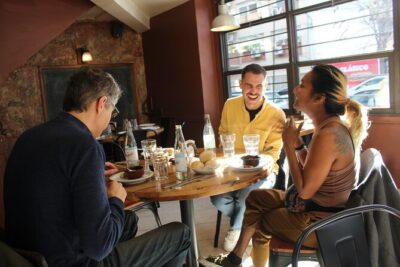
Buenos Aires Food Tour: Local Dishes, Steak, Empanada & More
Read our review →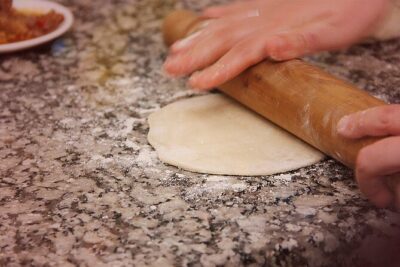
BA: Empanadas and Alfajores Cooking Experience in Palermo
Read our review →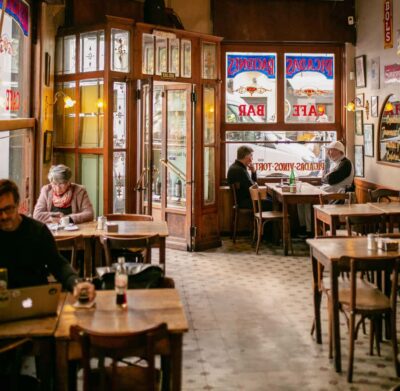
Historical Guided Tour with Street Food & Drinks
Read our review →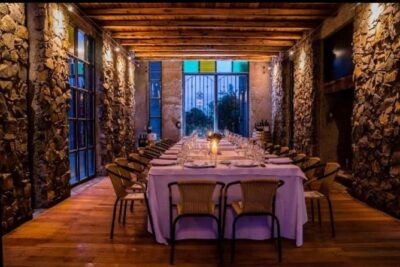
Trapiche and Lunch The Enemy (Michelin) + Private transportation
Read our review →

BA Flavors Food Tour in San Telmo and Boca With Local Guide
Read our review →Browse the lists this tour appears in